


You might be surprised how some popular home hacks can actually cause more harm than good. While these shortcuts seem helpful at first, they often lead to bigger problems or wasted time and money.
Understanding which common tricks might backfire helps you avoid unnecessary damage and frustration in your home projects. Knowing this can save you effort and keep your space in better shape long-term.
Using toothpaste to fix wall cracks
You might have heard that toothpaste can fill small cracks in your walls. While it may seem like a quick fix, toothpaste is not designed for this purpose. It can dry hard, but it tends to crack or shrink over time.
If you use toothpaste, the repair won’t last long and could even make the cracks more noticeable. Toothpaste works only for very tiny holes or nail marks, not actual cracks that require proper patching.
For lasting results, it’s better to use materials made for wall repair. Toothpaste might seem handy, but it often makes the problem worse instead of better.
Cleaning electronics with rice
If your phone or gadget gets wet, you might have heard to put it in a bowl of rice. It seems like a simple fix, but rice isn’t very effective at drying electronics.
Rice can leave dust and starch inside your device, which may cause more problems. Tiny grains might get stuck in ports, making things worse.
Instead of rice, letting your device air dry or using silica gel packets is safer. Avoid turning it on or charging it too soon, as that can damage it further.
Mixing different household cleaners
You might think combining cleaners makes them stronger, but it often backfires. Mixing products like bleach and vinegar can create harmful gases that are dangerous to breathe.
Using multiple cleaners together can also weaken their effectiveness. Instead of a super-cleaner, you could end up with a risky mix that damages your surfaces or health.
Stick to using one product at a time. This keeps your cleaning safe and effective, without unexpected chemical reactions or wasted effort.
Repairing tiles with hot glue
You might think hot glue is a quick fix for cracked or chipped tiles. While it sticks quickly, it doesn’t hold up well over time, especially under moisture or pressure.
Hot glue often peels off or discolors, making the repair more noticeable. It’s only a temporary patch and can make the damage worse by preventing proper tile replacement later.
For a longer-lasting fix, consider using products designed for tile repair like epoxy or specialized adhesives. These options bond stronger and blend better with your tiles. Hot glue works better for crafts, not for durable home repairs.
Overusing detergent in laundry
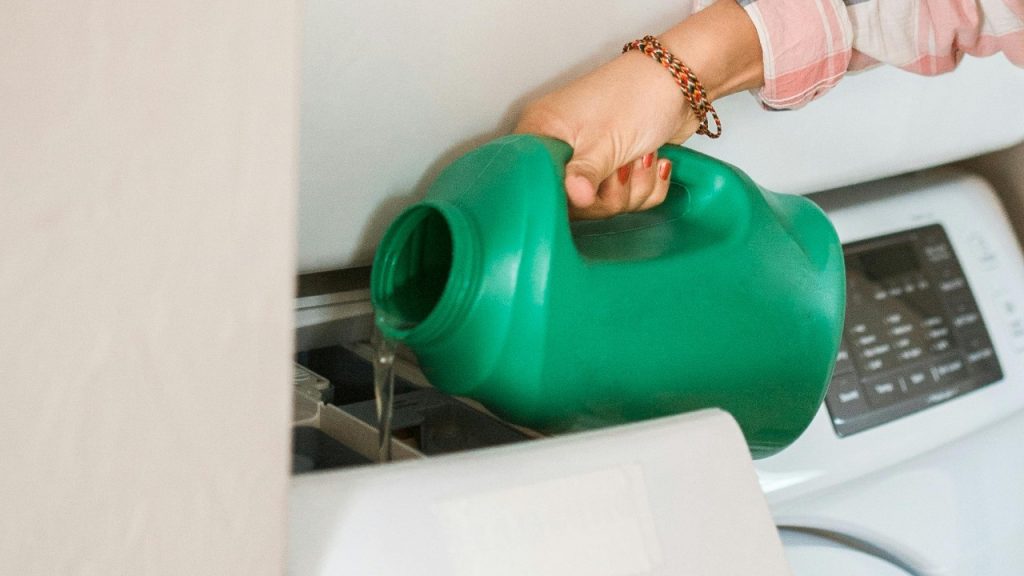
Using too much detergent might seem like it will get your clothes cleaner, but it can actually do the opposite. Excess detergent creates buildup on your clothes and inside your washer. This can cause dingy fabrics and unpleasant smells.
Too much foam from detergent traps dirt instead of washing it away. It also reduces the washer’s rinsing power, leaving residue on clothes. This residue can irritate your skin and damage fabric over time.
Measuring detergent carefully helps avoid these issues. Usually, you need less than you think, especially with high-efficiency machines. Using the right amount keeps your clothes fresh and your washer working well.