


You’ve probably noticed how fast things move these days, with new products and trends constantly popping up. But not all progress means tossing out old habits. Some of the reuse habits from past generations still hold value and can actually make your life easier and more cost-effective.
These old-fashioned reuse habits help you save money, reduce waste, and live more thoughtfully without much extra effort. They remind us that sometimes, sticking with simple, practical ways is worth it. You might find that adopting a few of these habits suits your lifestyle better than you expect.


Darning socks and sweaters instead of throwing them away
When you find a hole in your favorite sock or sweater, darning can save the day. It’s a simple sewing technique that lets you fix holes instead of tossing the garment.
You don’t need fancy tools—just a needle, thread, and some patience. Darning helps you stretch the life of your clothes and reduces waste.
Plus, it’s a skill that connects you to a tradition of making do, which makes sense in today’s fast-fashion world. Give it a try before you throw anything out.
Repurposing glass jars as storage containers
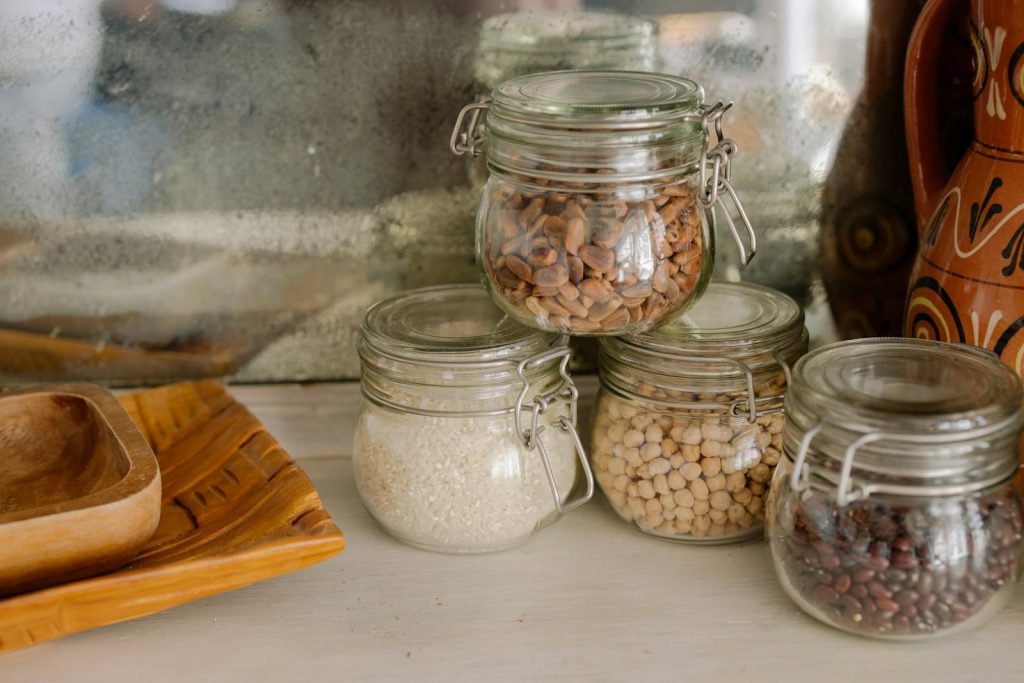
You can easily turn old glass jars into handy storage for your kitchen. They’re great for holding soups, broths, or leftovers instead of plastic containers. Just clean and remove the labels before using.
Glass jars also work well for organizing small items like spices, nuts, or craft supplies. Since they’re clear, you can quickly see what’s inside. Plus, they help reduce waste by giving those jars a new life instead of tossing them out.
Using old clothes to make cleaning rags
You can easily turn worn-out clothes into cleaning rags. Just pick durable fabrics like cotton or linen, and avoid anything too delicate or embellished.
Cut your old shirts, jeans, or towels into small pieces that suit different cleaning jobs. Smaller squares work well for tight spots, while larger ones can handle bigger messes.
Washing these rags regularly keeps them fresh, and storing them in a designated spot makes cleaning easier when you need it. It’s a simple, eco-friendly way to reuse what you already have.
Repairing wooden furniture with simple tools
You don’t need fancy gear to fix up wooden furniture. A few basic tools like sandpaper, wood glue, and a hammer can go a long way. Start by cleaning the piece to spot any loose joints or cracks.
Use wood glue to reattach wobbly parts and clamp them until dry. For scratches or dents, gently sand the area to smooth things out. A fresh coat of paint or stain can finish the job and make your piece look refreshed without much hassle.
Saving scraps of fabric for patchwork projects
Saving fabric scraps is a simple habit that pays off. You can turn those little bits into something new without much effort.
Patchwork projects like coasters, pillows, or tote bags make great use of scraps. Even tiny pieces can come together to create something useful or decorative.
This old-fashioned habit also helps you reduce waste and get creative with what you already have. It’s an easy way to make the most out of leftover fabric from other projects.