


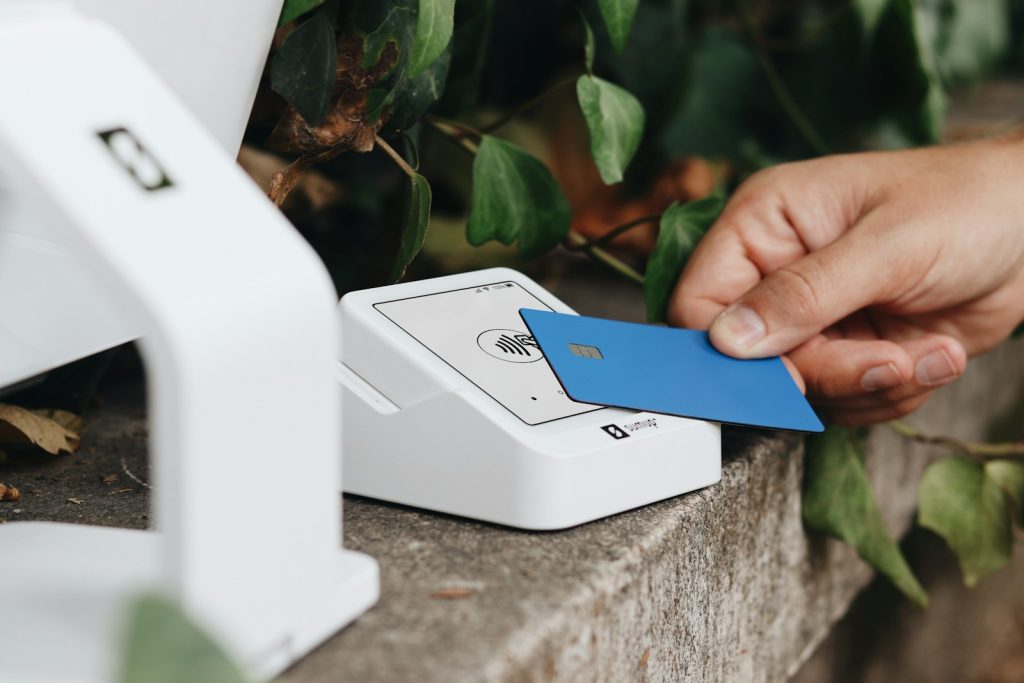
Every time you tap your debit card, you are giving direct access to the cash in your checking account. In low‑risk situations that can be convenient, but in the wrong place a single compromised transaction can drain your balance and leave you scrambling to cover bills. Using a credit card instead at a few key merchants keeps your own money insulated while you sort out any fraud or disputes.
Consumer protections, temporary holds and even rewards programs all tilt the math toward credit in certain high‑risk settings. If you understand where debit is most exposed, you can reserve it for safer everyday purchases and lean on credit where the stakes are higher.
Why credit usually beats debit in risky situations

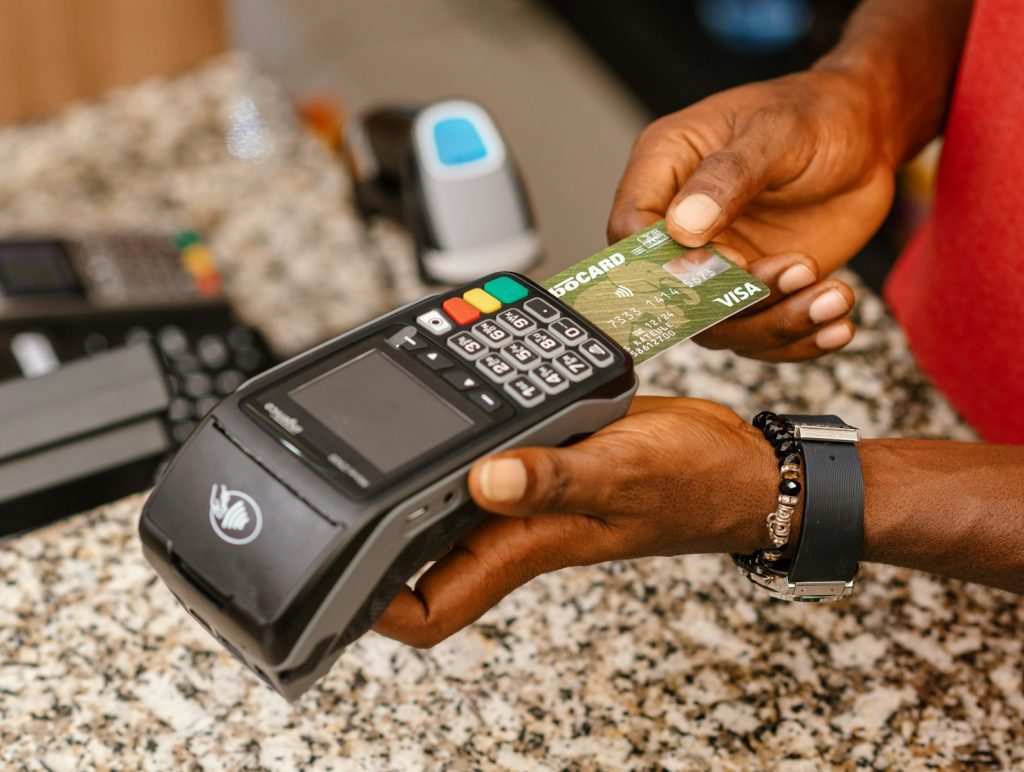
Debit cards pull money straight from your bank account, while credit cards use a separate line of credit that you pay back later. That structural difference matters when something goes wrong, because with debit, your own funds are on the line from the moment you swipe. Guidance on the risky places to use debit stresses that if you do not spot and report fraud quickly, you can be responsible for up to $500 in losses. That is a painful hit if a criminal gets your card details at a gas pump or crowded festival before you notice the missing cash.
Credit cards, by contrast, are built around stronger fraud and chargeback protections. Explanations of the difference between debit and credit emphasize that credit transactions add another layer of fraud protection, because you can dispute charges before any money leaves your bank account. Overviews of debit versus credit also note that debit simply moves your own funds, while credit gives you time to review statements and contest anything suspicious. That is why many experts argue that Credit Cards are generally safer than Debit Cards when you are worried about fraud.
Gas stations, hotels and car rentals
Gas pumps are a classic danger zone for debit cards. Card readers at unattended pumps are frequent targets for skimming devices, and guidance on Gas stations and convenience stores warns that thieves can capture your card number long before anyone notices. Lists of Gas station risks also point out that pumps are prime territory for fraud, and that using a credit card instead keeps criminals from reaching directly into your checking account. Some breakdowns of Online and in‑person card risks group gas stations with other high‑exposure merchants where debit is best avoided.
Hotels and rental car counters add a different problem: large temporary holds. When you check in, many of these Businesses That Use Temporary Bank Holds place an estimated charge on your card that can tie up hundreds of dollars for days. If that hold hits your debit card, the balance in your account may look much lower than you expect, which can trigger overdrafts or declined payments. Analysts who outline Here are five places you should never swipe your debit card note that a $1,000 trip could earn valuable rewards if you put it on a credit card instead, while also shielding your checking balance from those unpredictable holds.
Restaurants, bars and crowded tourist spots
Any time your card leaves your sight, the risk of misuse goes up. That is why lists of places you should not use debit highlight Restaurants as a top concern. In many dining rooms, servers still take your card away to run it, which gives a dishonest employee a chance to copy your number or skim it. Guidance that frames restaurants as Where using your debit card can backfire warns that a thief who gets both your card number and PIN can quickly empty your account before you even finish dessert.
Bars, festivals and popular tourist locations combine that same card‑out‑of‑sight risk with crowded, distracted environments. Overviews of Popular tourist locations and festivals explain that these high‑traffic spots are magnets for pickpockets and card thieves, and that debit cards lack the robust protections of credit if your wallet disappears. Lists of Bars and restaurants to avoid with debit stress that if you do not report the loss quickly enough, your liability can climb to that $500 threshold. Using a credit card in these settings lets you cancel the account and dispute fraudulent charges without losing access to your rent or grocery money while the bank investigates.
Online shopping and subscription services
Online checkouts are another place where credit usually beats debit. When you type your card number into a website, you are trusting that retailer to store and transmit it securely, yet data breaches remain common. Breakdowns of the Online risks point out that if hackers get your debit details, they can pull money straight from your bank account, and you may not notice until scheduled payments start bouncing. Overviews of Online and retail dangers also note that debit cards lack the same dispute tools as credit when a package never arrives or a merchant refuses to issue a refund.
Credit cards, on the other hand, are designed for remote and recurring payments. Guides on Virtual and digital card options explain that you can generate temporary numbers for online purchases, which limits the damage if a retailer is breached. Advice on Key takeaways for when to use credit versus debit notes that credit cards offer stronger fraud protections and can be better suited to recurring subscriptions that might be hard to cancel. When you add in the fact that many credit products offer cash back or travel points, as outlined in comparisons of Comparing Rewards, it becomes even harder to justify putting risky online orders on your debit card.
Travel, holds and building your credit profile
Travel spending concentrates many of these risks into a short window. When you are on the road, you are swiping at unfamiliar gas stations, checking into hotels and paying at busy restaurants, often in tourist areas that thieves target. Analysts who list Here are five places you should never swipe your debit card stress that using credit for trips adds another layer of protection, especially when you are far from your home bank branch. Commentary that begins with Since each credit card transaction is essentially a short‑term loan underscores that no actual money leaves your account until you pay the bill, which is exactly the buffer you want if a card is compromised mid‑trip.
Using credit strategically in these situations can also help your long‑term finances. Overviews of Credit versus debit explain that credit cards offer stronger fraud protections and, when used responsibly, can make it easier to stick to a budget by consolidating purchases into a single monthly statement. Guides that spell out What is the difference between credit and debit cards note that credit usage and on‑time payments are reported to credit bureaus, while debit activity is not. That is why breakdowns of the Pros of credit emphasize that Builds Credit History and Using a credit card responsibly leads to Positive scores, which are essential for qualifying for mortgages and auto loans.
How to decide when debit still makes sense
None of this means you should cut up your debit card. It remains a useful tool for ATM withdrawals and low‑risk, in‑person purchases where you insert or tap the card yourself and can see the terminal. Discussions of the Key Benefits of Using a Debit Card highlight that there are No Float Times or Pay Off Deadlines, and that One of the main advantages is avoiding interest and long‑term debt. Overviews of Debit Card pros also stress that comparing Debit Cards and Credit and understanding debt risks is essential so you do not charge more than you can afford.
The key is to match the card to the situation. Summaries of Top Reasons to Choose Credit Cards point to Superior Fraud Prevention and other Credit protections that make credit the better choice in high‑risk environments. A Sep Fed survey of risk officers, for example, found that fraud is more common with debit cards in several ways, and that the laws governing credit cards provide stronger liability protection for unauthorized charges. If you reserve your debit card for trusted merchants and everyday errands, and lean on credit where fraud, holds or disputes are more likely, you can get the convenience of plastic without putting your bank balance in unnecessary danger.
More from Decluttering Mom: