


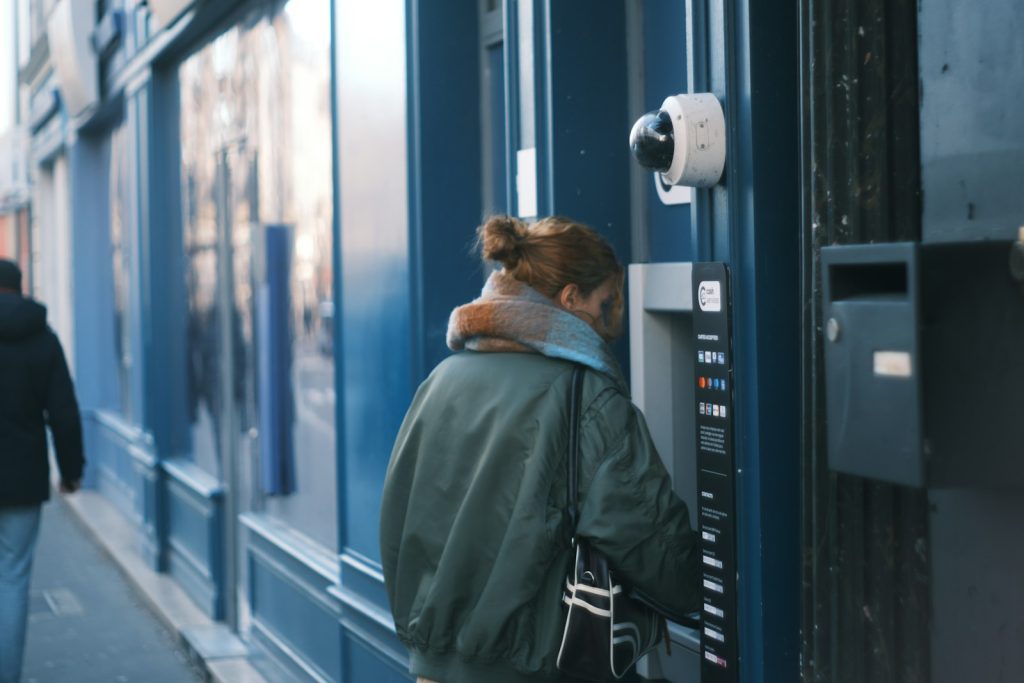
Bank customers walking up to the counter for a thick stack of bills in 2026 are discovering that the interaction feels very different from a decade ago. Tellers are trained to slow the process down, ask pointed questions and sometimes escalate the transaction long before the cash is counted out. Behind the glass, they are balancing customer service with a legal duty to flag withdrawals that could signal crime or consumer harm.
The result is a quiet but significant shift in how large cash movements are handled, especially as fraudsters, money launderers and tax evaders adapt to digital banking. Understanding why front-line staff are scrutinizing withdrawals helps explain which transactions are most likely to be flagged and how to avoid unnecessary friction while still getting access to your own money.
1. Federal reporting rules make big cash withdrawals stand out

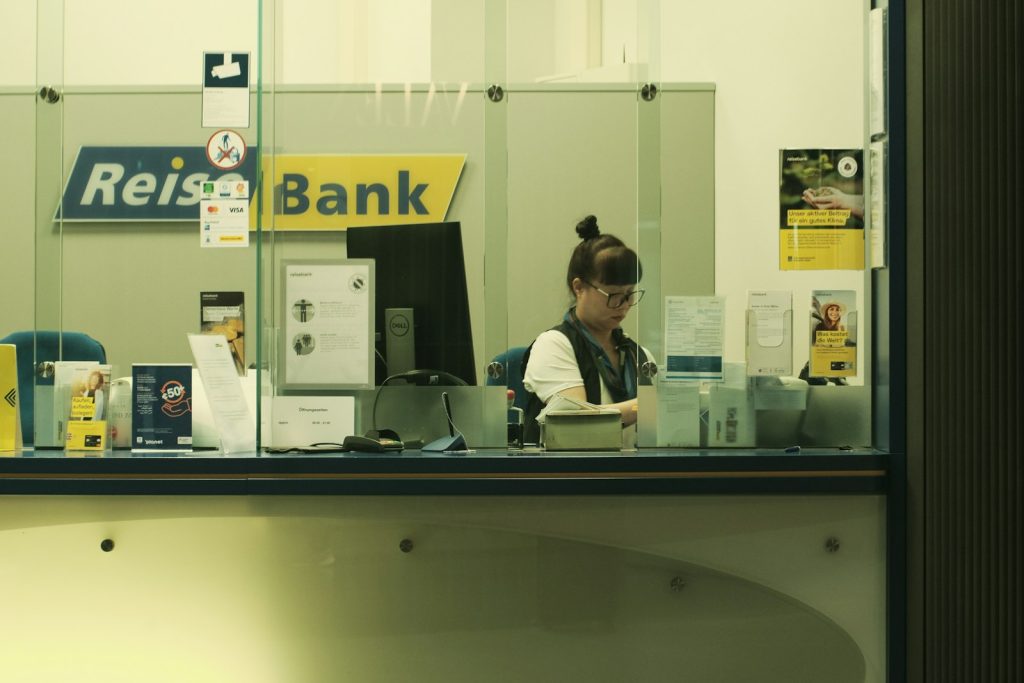
The first reason tellers are on high alert is that federal law requires banks to treat large cash withdrawals as potential data points in the fight against financial crime. The core framework is The Bank Secrecy Act, which grew out of The Currency and Foreign Transactions Reporting Act of 1970 and related statutes that now sit in 31 U.S.C. 5311 to 5336. Under this regime, institutions must collect and report detailed information on significant cash activity to the Financial Crimes Enforcement Network, better known as FinCEN, which uses those reports to track patterns tied to money laundering and other offenses.
For customers, the most visible threshold is the requirement that banks report cash transactions of more than 10,000 dollars in a single business day, whether that is a deposit or a withdrawal. Guidance on Savings Account Withdrawals underscores that this 10,000 dollar figure is the key number regulators use to spot potential tax evasion, money laundering and other financial crimes, and it applies to cash taken out of savings just as much as to cash put in. When a customer asks for that much money, the teller knows the transaction will be logged and potentially scrutinized, so they are trained to verify identity carefully and document the purpose of the withdrawal.
2. Suspicious Activity Reports and pattern monitoring drive extra questions
Even when a withdrawal is below 10,000 dollars, it can still trigger internal alarms if it looks unusual for that customer or fits a known red flag pattern. Banks are required to file a suspicious activity report, or SAR, under the Bank Secrecy Act when they detect transactions that may be linked to illegal activity such as money laundering, terrorist financing or fraud. A SAR is not a criminal charge, but it is a formal alert to regulators that can trigger investigation of both the activity and the reporting institution’s controls.
To decide when to escalate, banks rely on automated suspicious activity monitoring systems that scan accounts for anomalies. One industry definition describes Suspicious activity monitoring as the process of identifying, researching and documenting transactions that deviate from expected behavior, including cash movements at or above 10,000 dollars in a single transaction. Separate guidance on Suspicious Activity Reporting Requirements for an MSB, or money services business, emphasizes that staff must look for activity that is inconsistent with the typical customer profile or that occurs more frequently than normal. When a teller sees a pattern that fits those criteria, they are expected to ask more questions and may ultimately help initiate a SAR filing.
3. Structuring and mid-sized withdrawals are getting closer scrutiny
Customers sometimes assume that staying under the 10,000 dollar line keeps them off the regulatory radar, but that is a misconception that can itself raise suspicion. Regulators treat repeated withdrawals just under the reporting threshold as potential “structuring,” the practice of breaking up transactions to evade detection. Industry explanations of what happens when someone takes out 10,000 dollars in cash note that Your bank has to report the withdrawal under the BSA and send the details to the Financial Crimes Enforcement Network, and they also warn that deliberately trying to avoid that report can itself be treated as suspicious behavior.
That is why tellers are increasingly cautious even with mid-sized cash requests. Guidance on what happens when someone withdraws 5,000 dollars explains that Most bank branches do not keep unlimited cash on hand and that banks are required to file certain reports when activity looks out of pattern, even if it is below the 10,000 dollar mark. A separate consumer-focused explanation of what happens when You withdraw 5,000 dollars notes that You will need government-issued ID and that the teller may ask additional verification questions, not because they automatically suspect wrongdoing, but because bank policy requires extra checks once cash requests reach that level.
4. Scam prevention is now part of the teller’s job description
Not every flagged withdrawal is about money laundering or tax evasion. In 2026, a growing share of interventions are driven by consumer protection, as banks try to stop customers from walking out the door with life savings destined for a scammer. Community institutions report that they have seen customers pressured into large cash withdrawals by impostors posing as contractors, government agents or relatives in distress. One bank’s fraud education page explains that if a bank teller or manager asks questions about a large withdrawal, it is because they have seen these scams play out and want to protect the customer’s funds, even when the customer insists they are “doing home renovations.” That warning is embedded in a Scam of the Week advisory that encourages staff to probe the story behind sudden cash needs.
This protective posture can feel intrusive, especially to older customers who are used to fewer questions, but it reflects a real shift in how banks are judged by regulators and the public. When fraud rings exploit wire transfers, prepaid cards or cryptocurrency, they often start by convincing victims to pull cash from a traditional account, and front-line staff are sometimes the last line of defense. That is why tellers are trained to listen for scripted explanations, rushed timelines or third parties coaching the customer from a phone, and to slow the transaction down if those red flags appear. In practice, that means more conversations at the window and, in some cases, a refusal to complete the withdrawal until a manager is involved.
5. Red flag patterns can trigger investigations far beyond the branch
Behind every cautious teller is a broader compliance apparatus that treats certain withdrawal patterns as potential gateways to larger investigations. Technology vendors describe how Red Flags and Suspicious Patterns are built into monitoring systems so that financial institutions can spot frequent deposits followed by rapid cash withdrawals, transactions that jump between branches or accounts, or activity that spikes just after a customer receives government funds. When those patterns appear, they may trigger a SAR and, in turn, draw the attention of law enforcement agencies that specialize in financial crime.
Legal practitioners who defend clients in complex fraud cases note that investigations can be triggered in many ways, including a whistleblower or a disgruntled employee, but also by a bank that flags activity through a Suspicious Activity Report. One defense overview of SBA loan fraud in California explains that Investigations can be triggered when a financial institution files a SAR tied to how loan proceeds are withdrawn or moved. That dynamic helps explain why tellers are increasingly cautious when they see large cash withdrawals shortly after a business receives federal funds or when the pattern of withdrawals does not match the stated purpose of the account. Their questions are not only about the transaction in front of them, but also about how it might look if regulators later review the bank’s entire relationship with that customer.
What customers can do to keep withdrawals smooth in 2026
For consumers, the new reality is that walking out with a thick envelope of cash is no longer a quick, anonymous errand. The combination of The Bank Secrecy Act, The Currency and Foreign Transactions Reporting Act of 1970 and related rules means that banks must document and sometimes report what used to be routine transactions, and they face penalties if they miss warning signs. The official overview of The Bank Secrecy Act makes clear that these statutes are designed to give law enforcement a paper trail of currency movements, not to stop legitimate customers from accessing their money, but the effect at the counter is more questions and more documentation.
Customers who want to minimize friction can take a few practical steps. Calling ahead for very large withdrawals gives the branch time to order cash and prepare the necessary forms, which can shorten the visit and reduce stress for both sides. Being ready with identification and a straightforward explanation of the purpose of the withdrawal helps the teller complete required notes without improvising, and in some cases, staff may suggest safer alternatives such as cashier’s checks or electronic transfers that still meet the customer’s needs. Above all, understanding that the teller’s questions are rooted in law, internal policy and fraud prevention, rather than personal suspicion, can make the interaction feel less adversarial and more like a shared effort to move money safely in a tightly regulated system.
More from Decluttering Mom: