


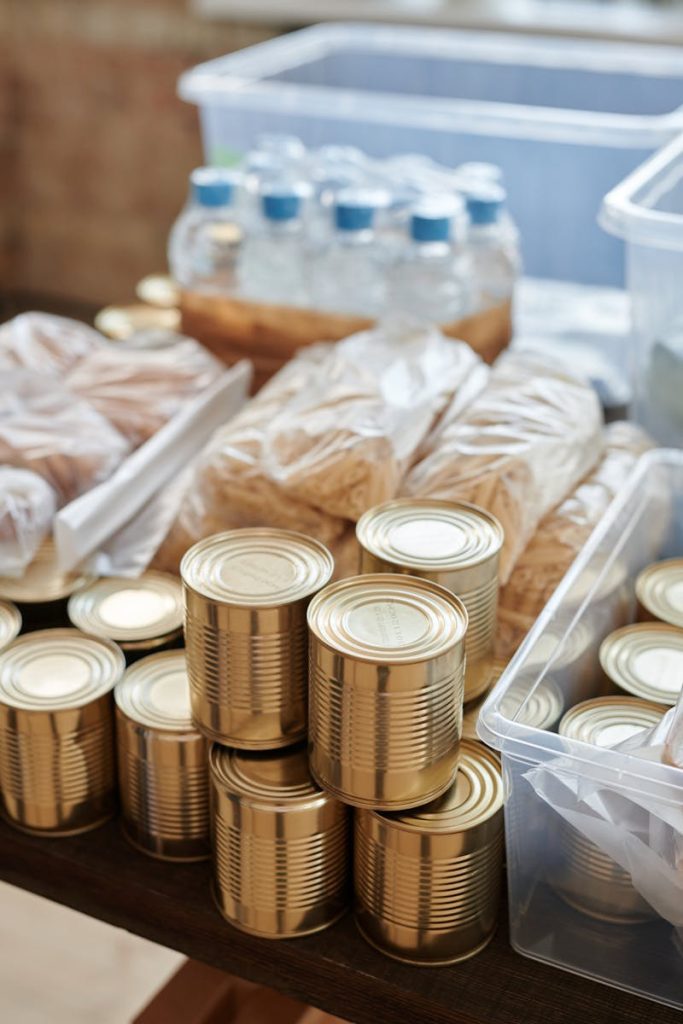
Your pantry can quickly become overwhelming if you hold onto too many items that don’t really belong there. It’s easy to accumulate things over time, but clutter can make it harder to find what you need and even affect the quality of your food.
Knowing what to stop hoarding can help you keep your pantry organized and your food fresh. Clearing out unnecessary items not only saves space but also reduces waste and makes meal prep more enjoyable. Taking a closer look at what fills your pantry is a simple way to create a more functional kitchen area.
Expired canned goods
You might think keeping expired canned goods is harmless, but they can take up valuable space in your pantry. While some cans remain safe shortly after the date, they often lose quality and taste over time.
It’s important to check cans for dents, rust, or bulging before deciding to use them. If the can looks off or smells strange, it’s best to toss it.
Instead of hoarding expired cans, regularly rotate your stock. This helps keep your pantry fresh and prevents waste.
Opened baking soda boxes
If you’ve opened a box of baking soda, it’s best not to keep it in the original box. The cardboard isn’t airtight, so your baking soda can absorb moisture and odors from nearby spices.
Instead, transfer it into a sealed container or a resealable plastic bag. Store it in a cool, dry place away from heat sources like the stove or refrigerator.
Even if baking soda doesn’t exactly spoil, its effectiveness as a leavening agent decreases after about six months once opened. Keeping it sealed helps maintain its freshness and usefulness longer.
Old dried pasta beyond best-by date
You might think dried pasta lasts forever, but old boxes can lose quality over time. If your pasta is past its best-by date, it’s usually still safe to eat if stored properly.
Check for signs like mold, unusual odors, or bugs before cooking. If it looks and smells normal, you can still use it without worry.
Try to store pasta in airtight containers in a cool, dry place. This helps keep it fresh longer and prevents pests from sneaking in. Avoid letting it sit open in the pantry.
Stale spices and herbs
You might not realize it, but your spices and dried herbs lose their flavor over time. They don’t usually spoil, but their aroma and potency fade, making your dishes less vibrant.
Keeping them in a cool, dark place away from heat and moisture helps preserve their freshness. Avoid storing them on the kitchen counter or near the stove.
Check your pantry regularly, and toss any spices that smell weak or look faded. Buying smaller amounts more often can save you money and keep your meals tasting their best.
Partially used sugar bags clumped with moisture
If you leave a sugar bag open or don’t seal it tightly, moisture can sneak in. This causes the sugar to clump, making it hard to use and frustrating to measure.
You might be tempted to toss clumped sugar, but you don’t always have to. Proper storage in an airtight container keeps your sugar dry and prevents this problem.
Try using a dry spoon or add a few grains of uncooked rice to absorb moisture. This simple step helps keep your sugar free-flowing and ready when you need it.