


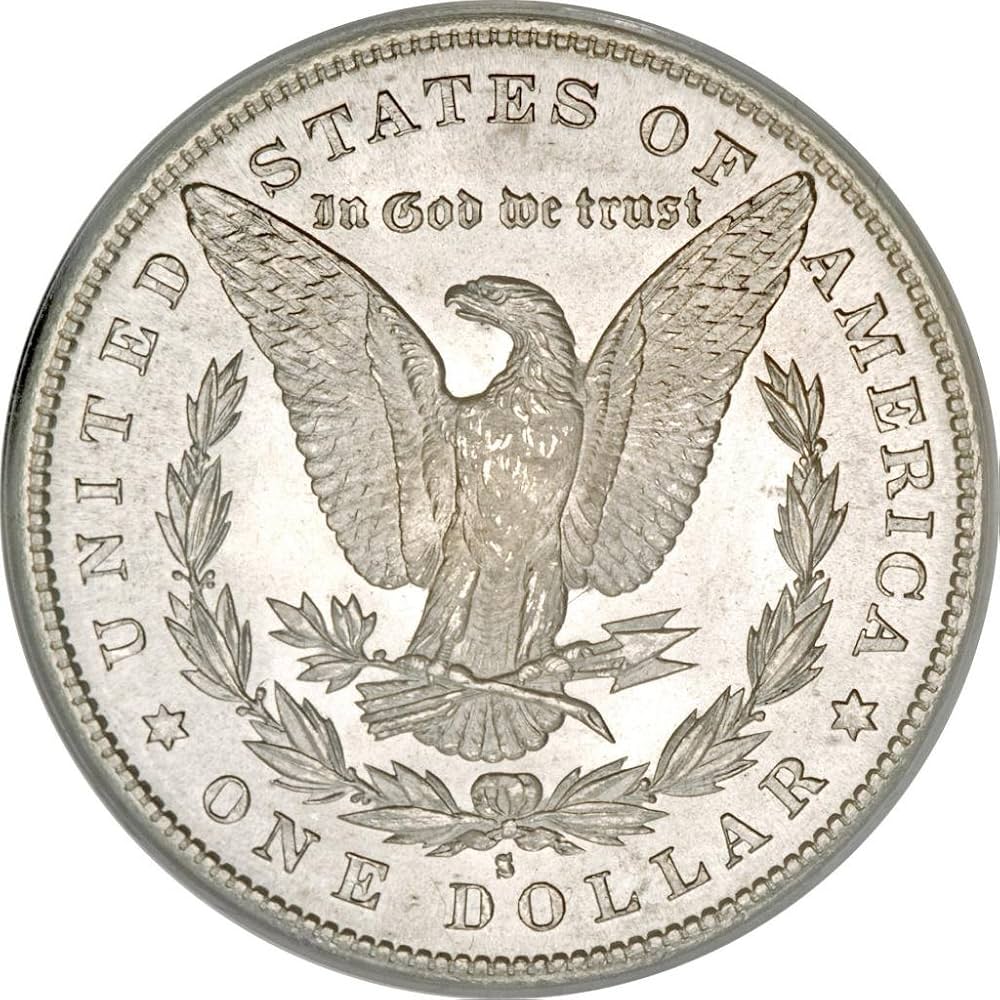
You know that feeling when you stumble upon a hidden gem? That rush of excitement is what coin collectors experience when they find a coin error. These little blunders in minting can turn an ordinary coin into something extraordinary—and often quite valuable. If you’ve ever wondered what makes these errors so special, let’s chat about six types of coin errors that collectors are willing to pay a premium for. Spoiler alert: you might want to check your piggy bank after this!

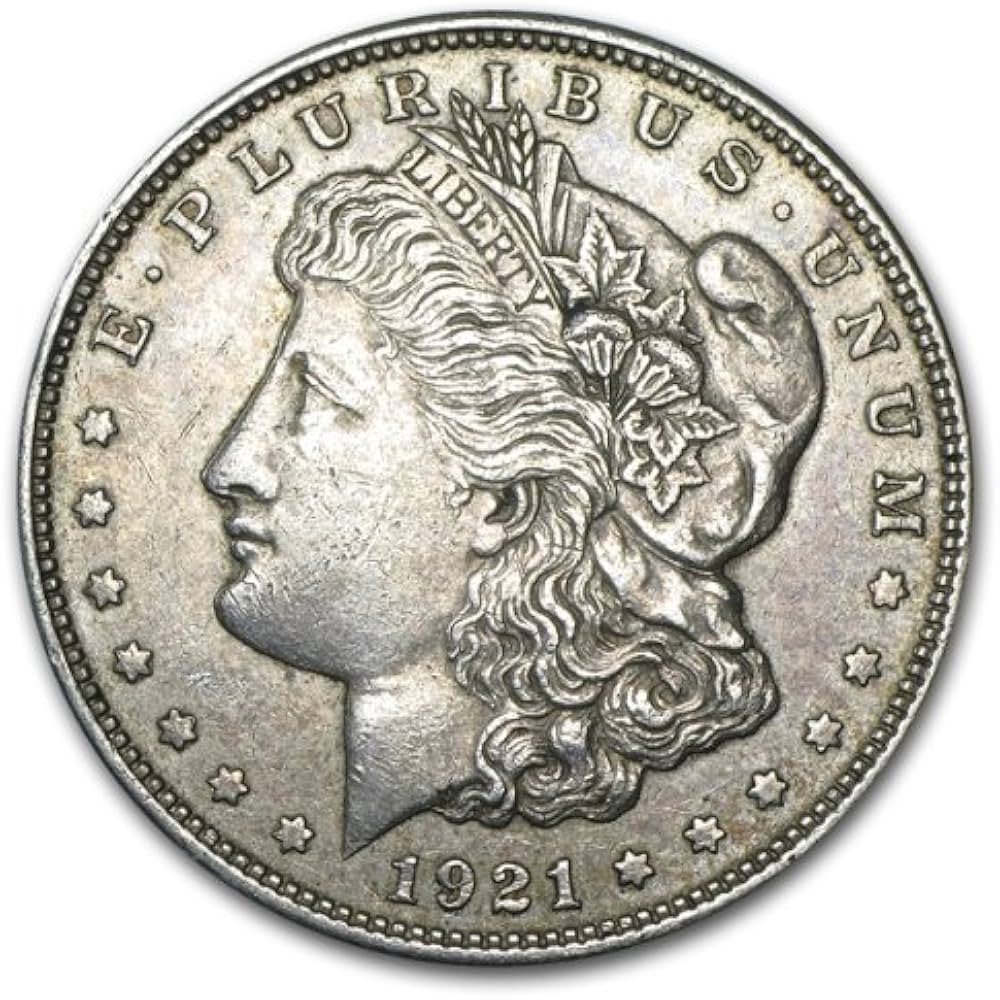
1. The Double Die Delight
First up, we have the classic double die error. Imagine a coin that looks like it’s been struck twice, creating a blurry or thickened image. This happens when a coin is mistakenly struck by the die more than once before it’s pressed onto the planchet. The most famous example? The 1955 Lincoln penny. It’s like the holy grail for collectors! If you happen to find one in your pocket change, you’re looking at a coin that could fetch thousands of dollars. Now, that’s a serious payday!
2. The Missing Mint Mark
Next on our list is the missing mint mark. Most coins have a little letter indicating where they were produced—like a secret handshake between coin enthusiasts. If a coin doesn’t have this mint mark, it can become quite desirable. For example, a 1922 Lincoln penny without the “D” mint mark from Denver is a real treasure. Some collectors go wild for these, sometimes paying a premium that could make your head spin!
3. The Off-Center Wonder
Ever seen a coin that looks like it’s had a bit too much fun at the carnival? The off-center error occurs when the coin is not aligned properly during the striking process, resulting in a coin that’s got a bit of a quirky shape. Instead of the usual round perfection, you might end up with a coin that’s more oval than circular. These coins can be amusing to look at, and collectors often find them fascinating, sometimes shelling out big bucks for the most extreme examples. Who knew a little misalignment could bring so much joy?
4. The Blank Planchet Mystery
Now, let’s tackle the blank planchet error. This one’s pretty wild—imagine a coin that didn’t get stamped with any design at all! These blanks can occur when a planchet is accidentally left untouched during the minting process. Finding one of these can feel like winning the lottery for a collector. They’re usually sold at a premium, not just because they’re unique, but also because they spark curiosity. What was going on in the mint that day? And can we get a “do over” on that one?
5. The Wrong Planchet Surprise
Talk about a plot twist! The wrong planchet error happens when a coin is struck on the wrong type of metal. Picture a quarter that’s been minted on a penny planchet. Collectors go bonkers for these because they’re so unusual. It’s like mixing chocolate and peanut butter—two great tastes that don’t belong together but somehow work out beautifully! A 1974 aluminum penny, for example, is a highly sought-after mistake that could be worth a fortune. Who knew that a little metal mix-up could create such a buzz?
6. The Proof Coin Pops
Finally, we have the proof coin errors. Proof coins are typically struck for collectors, and they usually have a mirror-like finish. But sometimes, these coins can have unexpected imperfections, like an incorrectly polished surface or a design that’s not quite right. These “oops” moments can make for some stunning pieces that command higher prices among collectors. Imagine having a coin that’s both flawless and flawed at the same time—it’s a collector’s paradox!
In Closing: Check Your Change!
So, what’s the takeaway from all this? If you’ve got a collection of coins or even just a jar of loose change, it might be worth taking a closer look. You never know what you might find—maybe that old penny has a double die error hiding in plain sight! While not every coin will turn into a small fortune, the thrill of hunting for these errors can be just as rewarding. Plus, it’s a fantastic conversation starter. So grab your coins, and happy hunting!
More from Decluttering Mom: