


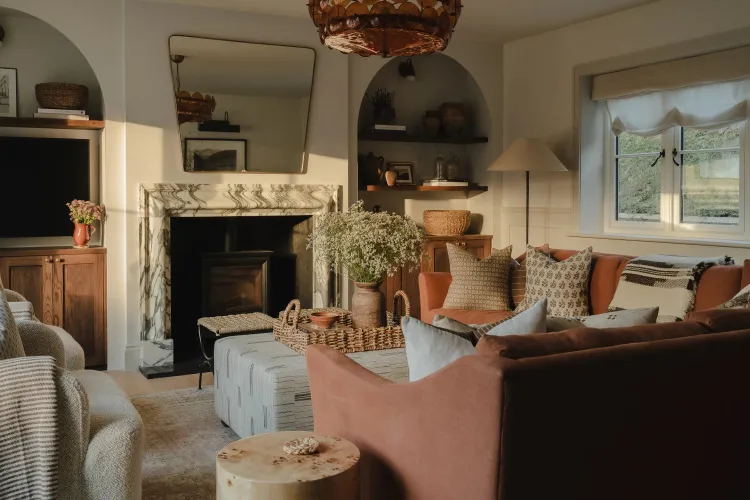
Interior designers are already looking past the quick-hit crazes of the last few years and quietly retiring some of the most recognizable looks in your feed. As 2026 approaches, the focus is shifting toward warmer, more personal spaces, which means several once-dominant trends are officially on the chopping block. If you are planning a refresh, understanding what experts are phasing out now will help you invest in choices that still feel current a few years from today.
1. All‑white everything is giving way to warmer, layered rooms

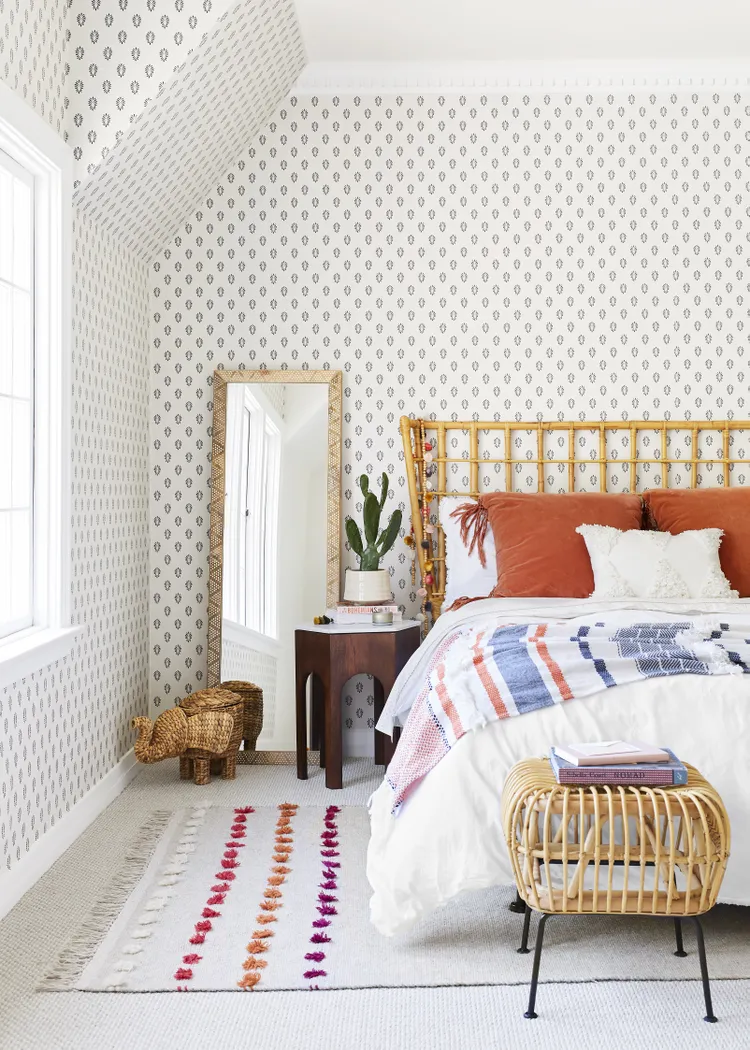
The stark, gallery-style living room that dominated the last decade is losing its grip, as you and many other homeowners gravitate toward spaces that feel less like a showroom and more like a place to actually live. Designers are moving away from icy palettes and instead encouraging you to bring in richer neutrals, earthy tones, and subtle contrast so your rooms do not rely on a single shade to do all the work. That shift is especially visible in open-plan spaces, where an all-over white scheme can read flat and unforgiving once real life, kids, and pets enter the picture.
Reporting on All‑White Décor notes that in the same vein of greige minimalism, all-white interiors are falling to the wayside in 2026, as design insiders call for more depth and dimension in color stories. A parallel analysis of All White In the home underscores that this once aspirational look now feels impractical and overly staged, especially in high-traffic rooms. For your own space, that does not mean you must abandon white walls altogether, but it does mean pairing them with textured textiles, wood tones, and accent hues so your rooms feel intentional rather than sterile.
2. Micro-trends and “wavy everything” are losing their novelty
Those squiggly mirrors, scalloped side tables, and wobbly-edged candles that once felt playful are starting to look more like visual noise. Designers are increasingly wary of micro-trends that explode on social media, saturate the market, and then date a room almost overnight. The wavy look is a prime example: it brought a sense of fun when interiors were leaning too serious, but when every surface curves or ripples, the effect can quickly veer into gimmick rather than design.
Recent Key Takeaways on living room shifts highlight that Micro trends such as the wavy look and oversized cloud sofas are going out of style, with Other living room staples also being reconsidered as homeowners tire of pieces that feel instantly recognizable from a single season on TikTok. For your own home, the lesson is to treat these highly specific shapes as accents, not anchors: a single curvy lamp or mirror can still feel fresh, but when the entire room leans into the same motif, it becomes harder to update without starting from scratch.
3. Builder-basic “Smooth Drywall” is being replaced with texture
For years, flat walls were considered the safe, default backdrop, especially in new construction and quick flips. That era is ending as designers argue that perfectly smooth surfaces can make a room feel unfinished, particularly when you are aiming for character and warmth. Instead of relying solely on paint color to add interest, you are now encouraged to think about the wall itself as a design element, whether through subtle plaster effects, paneling, or other forms of architectural detail.
Coverage of Smooth Drywall notes that Flat, builder-grade drywall is out and that Now it is all about embracing texture, with Getty Images visuals underscoring how even small shifts in surface treatment can transform a space. In practice, that might mean limewash in a bedroom, beadboard in a mudroom, or a simple picture-frame molding in a dining area. The goal is not to chase ornate finishes but to avoid the blank, echoing feel that comes from four perfectly flat planes and nothing else.
4. Blonde Oak everything is no longer the default finish

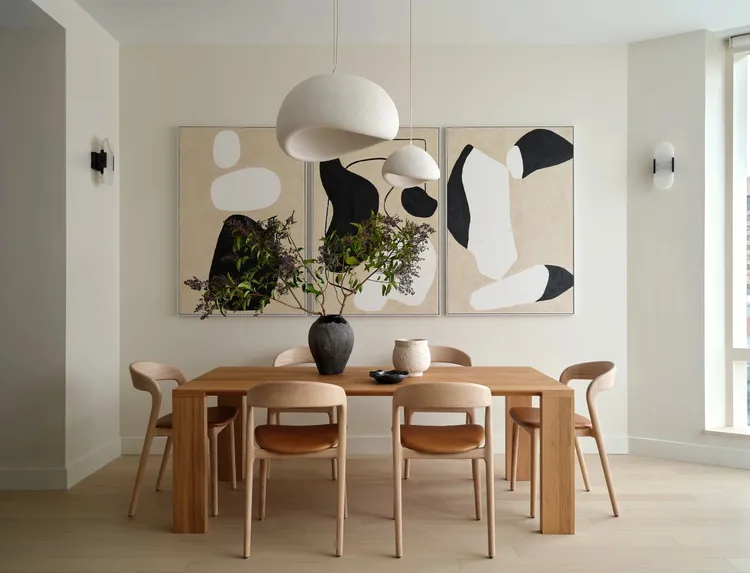
The pale, Scandinavian-inspired Blonde Oak that once dominated floors, cabinets, and furniture is starting to feel overexposed. While light wood will always have a place, designers are pulling back from using the same tone on every surface, which can leave a room looking washed out. If your kitchen, living room, and bedroom all share identical pale planks and cabinets, you may notice that your decor has less contrast and your favorite pieces do not stand out as much as they could.
Designers discussing Blonde Oak frame it as one of several renovation choices they are stepping away from in 2026, alongside other elements highlighted in sections like Related, What You Need, Know About Adding, Kitchen Island, and Your Home. Rather than ripping out every light plank, you can rebalance your rooms by introducing darker woods, painted cabinetry, or mixed finishes so Blonde Oak becomes one note in a larger composition instead of the entire song.
5. Oversized “cloud” sofas are being swapped for tailored comfort

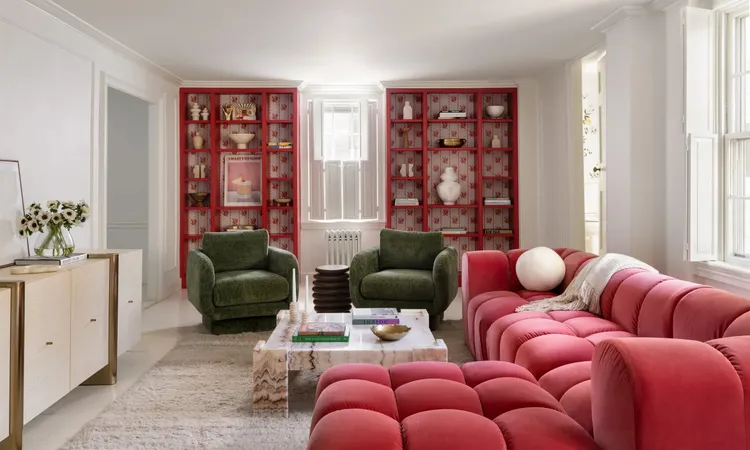
The sprawling, sink-in sofa that once signaled peak luxury is now being reconsidered for how it actually functions in everyday life. While those oversized pieces photograph beautifully, they can swallow smaller rooms, limit traffic flow, and make it difficult to sit upright with a laptop or a drink. Designers are steering you toward seating that still feels plush but offers more structure, so a living room can handle everything from movie nights to video calls without forcing you to perch on the edge of an enormous cushion.
Analysis of living room shifts notes that Micro trends such as the wavy look and oversized cloud sofas are going out of style, with Other seating options that balance comfort and proportion taking their place. If you already own a cloud-style piece, you can update it by tightening up the surrounding furniture, adding side tables with sharper lines, or eventually trading it for a smaller sectional that respects your room’s scale. The broader move away from novelty shapes and extreme proportions reflects a desire for spaces that work as hard as they look good.
6. Matchy bedroom sets are being replaced with collected looks
In bedrooms, the era of buying a single boxed set and calling it done is fading fast. Designers are encouraging you to think of the room as a curated retreat rather than a furniture showroom, which means mixing finishes, silhouettes, and even eras. A bed, nightstands, and dresser that all share the exact same wood tone and hardware can feel flat, while a combination of pieces, perhaps with one vintage element, instantly adds personality.
Reporting on Bedroom Trends Designers Say You Won highlights several choices you will not See Again in 2026, with Sarah Lyon and Getty visuals underscoring how more layered, individualized spaces are taking over. When you break up a matching set, you create room for textiles, lighting, and art to play a bigger role, which in turn makes your bedroom feel less like a catalog page and more like a reflection of your life. Even a simple swap, such as pairing an upholstered headboard with mismatched wood nightstands, can move your room firmly into the new direction.
7. Greige minimalism is giving way to bolder, more personal decor
The once-dominant greige palette, paired with sparse styling and a handful of safe accessories, is losing ground to interiors that tell a clearer story about who lives there. Designers are seeing you and other homeowners embrace color, pattern, and meaningful objects, even in small doses, instead of relying on a single neutral to unify every room. This does not mean maximalism is mandatory, but it does mean that a purely beige-and-gray scheme with little variation now reads more like a staging job than a finished home.
Design insiders who flagged In the same vein of greige minimalism as All White interiors note that both approaches are on their way out in 2026, replaced by more nuanced palettes and layered styling. You can modernize an existing greige room by introducing one or two saturated hues, swapping in art that carries real meaning, or adding a patterned rug that breaks up the monotony. The goal is not to chase every new color trend but to let your space reflect your tastes instead of a generic template.
8. Overly staged living rooms are being softened for real life
Living rooms that look perfect in photos but uncomfortable in person are losing their appeal as you prioritize spaces that can handle daily use. Designers are dialing back on rigid furniture layouts, delicate materials, and styling tricks that leave no room for a coffee mug or a toy. Instead, they are advocating for performance fabrics, flexible seating, and surfaces that can take a hit without showing every scuff, so your living room can host both guests and everyday chaos.
Recent coverage of Other living room trends going out of style points to a broader move away from spaces that feel overly curated, with Key Takeaways emphasizing durability and authenticity over perfection. For you, that might mean swapping a fragile glass coffee table for a wood piece that can handle board games, or trading a pair of stiff accent chairs for a single, deeply comfortable armchair. The new benchmark is whether a room invites you to sit down and stay awhile, not whether it could double as a furniture showroom.
9. One-note “SURPRISING” statement pieces are being edited down
Finally, designers are rethinking the impulse to build a room around a single, ultra-trendy statement piece that does all the talking. Whether it is a neon sign, a novelty light fixture, or a hyper-specific motif, these items can quickly lock your space into a particular moment. The emerging preference is for quieter, high-quality elements that age gracefully, with personality layered in through art, textiles, and smaller accessories that are easier to swap as your taste evolves.
Insights into SURPRISING Trends Interior Designers Are Ditching in 2026, including commentary from Alexa Erickson Gage and a reference to the figure 45, show that even designers who once embraced bold, Mon statement pieces are now editing more ruthlessly. When you choose a sofa, rug, or dining table that can outlast a single season, you give yourself room to experiment with smaller, more flexible accents. That balance between longevity and personality is what will keep your home feeling current well past 2026, even as the next wave of trends arrives.
More from Decluttering Mom: