


Bookshelves are one of the last places most people think to check for real value during a cleanout. Worn spines and yellowed pages just don’t scream “collectible” the way jewelry or china might.
Yet books are one of the most consistently active collecting categories out there, and a handful of specific details can turn a dusty paperback into a genuine find. Here are six to look for.

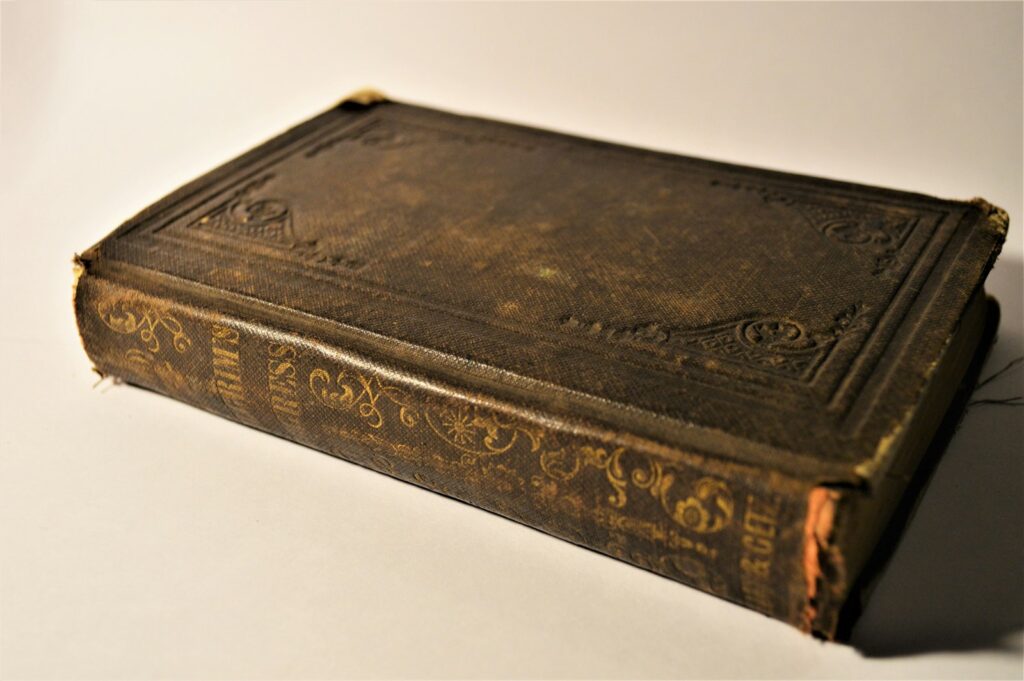
True First Editions
Determining whether a book is a first edition, and specifically a first printing of that edition, is the single biggest factor in book collecting value. Checking the copyright page for wording like “first edition” alongside a complete number line is the standard way to verify this, according to rare book identification guides. Publishers used different conventions across decades and imprints, so it’s worth researching the specific publisher’s practices rather than assuming a single universal rule applies to every book on the shelf.
Books With Intact Dust Jackets
A missing dust jacket can reduce a valuable first edition’s worth dramatically, sometimes by the majority of its total value, since jackets were fragile and frequently discarded or damaged over the decades, according to rare book auction specialists. Even a torn or heavily worn jacket is generally worth keeping with its book rather than discarding, since collectors often restore or professionally repair jackets rather than accept a book without one at all.
Signed and Inscribed Copies
An author’s signature, especially one accompanied by a personal inscription that can be verified as authentic, adds meaningful value to an otherwise ordinary copy of a book. Signatures obtained at organized author events with documentation tend to be easier to verify than unsourced signatures found in an inherited book. Either way, a signed copy is worth setting aside for research rather than assuming a scrawled name inside the cover is simply a previous owner’s signature.
Little Golden Books From Early Print Runs
Small, inexpensive children’s books with the recognizable gold foil spine were mass-produced for decades, but certain early titles from the original 1940s print runs, particularly in excellent condition, can be worth a genuinely surprising amount compared to their original low retail price, according to collectible children’s book guides. Check the back cover for a list of other titles in the series, which helps narrow down a book’s approximate publication era.
Leather-Bound Sets
Matched sets of leather-bound classics, often sold as complete encyclopedia or literary collections decades ago, are more common than genuinely rare, but well-preserved sets with intact gilt lettering and supple, uncracked leather can still hold decorative and modest collector value, according to antique book collecting resources. Check for cracking along the spine hinges, since leather that’s dried out and split significantly reduces both display value and long-term stability.
Vintage Maps and Atlases
Old atlases and books containing detailed fold-out maps are sometimes more valuable for their maps than their text, particularly maps depicting now-outdated borders, territories, or place names. Carefully check whether maps are intact and un-torn before assuming a water-stained or damaged atlas has no value, since individual maps are sometimes collected and sold separately from the books that originally contained them.