


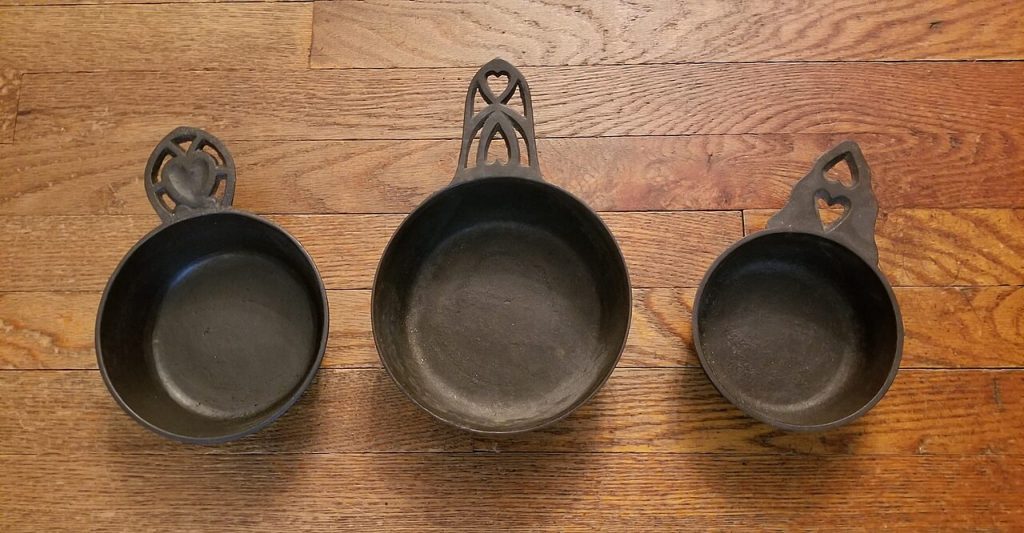
Cookware takes a beating, which is exactly why so much of it ends up donated or scrapped without a second thought. Dented pots and scorched pans just don’t look like anything worth saving.
Yet certain vintage cookware brands and materials are genuinely collectible, precisely because they were built to outlast the trends around them. Check for these marks before your old pots and pans leave the house for good.

Cast Iron With Early Manufacturer Logos
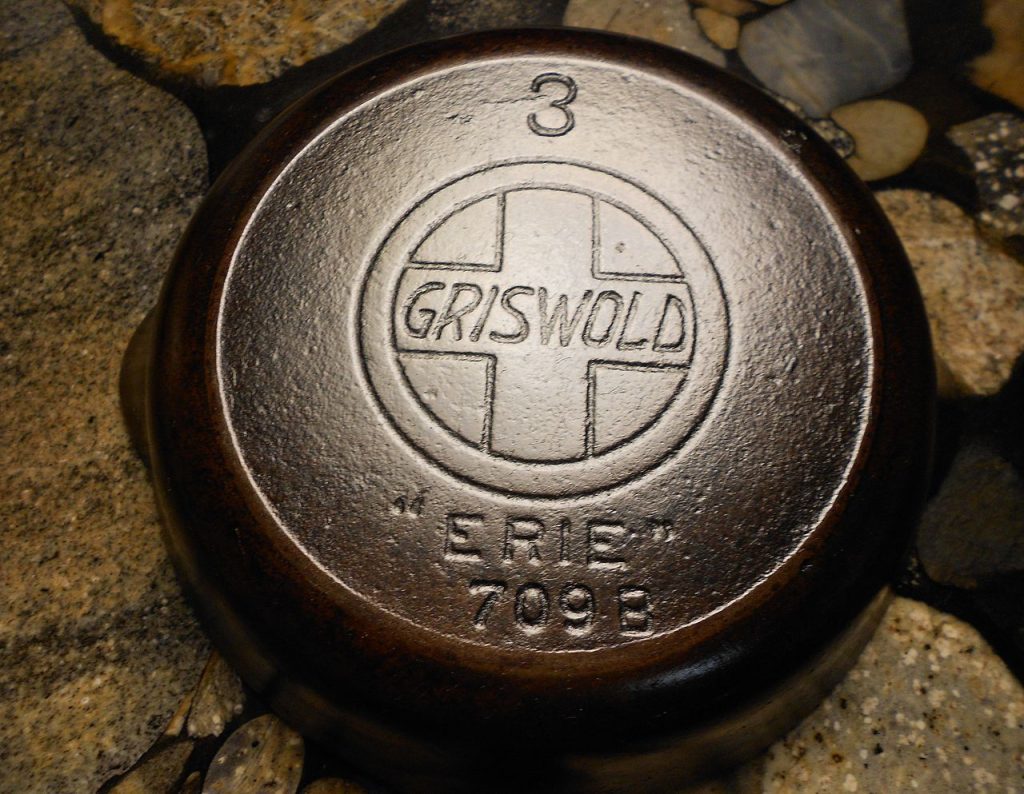
Not all cast iron is created equal in a collector’s eyes. Skillets and pans bearing specific early logos from well-known American foundries can be worth significantly more than a similar-looking modern piece, with rare sizes and patterns commanding the highest prices, according to cast iron identification resources. The raised marking on the underside, along with a size number and sometimes a pattern number, is the key to identifying which era and maker produced the piece. Surface rust and baked-on grime are usually cosmetic issues that restoration can fix, so don’t judge a pan’s worth by its current appearance.
Enamelware and Graniteware
Speckled blue, gray, or white enamel-coated pots and coffee pots, often chipped from decades of use, are collected specifically for their farmhouse charm and history. Certain colors and shapes are considerably rarer than the common gray speckled pattern, and even pieces with noticeable chipping can still have display value, according to enamelware collecting guides. Look at the color, pattern, and overall shape rather than dismissing a piece because of surface damage, since collectors often display these pieces as decor rather than using them for cooking.
Copper-Bottom Stainless Cookware
Stainless steel pots with a distinctive copper-colored bottom disc are frequently found in family kitchens, and certain vintage lines from established American cookware makers are still sought after for both their durability and their retro appeal. Original bakelite handles, an intact copper bottom without heavy pitting, and manufacturer stamps on the underside all help identify an authentic vintage set, according to cookware identification guides. A complete matched set with lids tends to be worth more than individual pieces sold separately.
Heavy Cast Aluminum Cookware
Lightweight but sturdy cast aluminum pots and roasters from mid-century cookware brands are often mistaken for cheap, disposable cookware. In reality, certain aluminum lines with distinctive lid designs and manufacturer stamps have their own collector niche, particularly among people restoring vintage kitchens. Check the handle and lid knob shape along with any stamped brand name on the bottom, since certain patterns and shapes are considerably harder to find than others and draw more interest from collectors who focus specifically on mid-century kitchenware.
Cast Iron Dutch Ovens With Lid Loops
A deep, lidded cast iron pot found in a barn or basement might look too far gone to bother with, but Dutch ovens are among the most durable and restorable pieces of vintage cookware around. Look for a heat ring on the bottom, a self-basting lid with condensation drip points, and a maker’s mark, all of which help identify age and manufacturer. Even heavily rusted examples can often be fully restored, so a rough appearance shouldn’t be the deciding factor in whether a Dutch oven gets kept, sold, or scrapped.
Cast Iron Cornbread and Muffin Pans
Novelty-shaped cast iron pans, like cornbread molds shaped like ears of corn or small individual muffin pans, are a specific niche within cast iron collecting. Their smaller size means fewer examples survived in good condition, which can make certain molds more sought after than a full-size skillet from the same manufacturer. Checking for a legible maker’s mark and evaluating whether all the individual mold cavities are undamaged will tell you whether a piece is worth cleaning up rather than passing along to a scrap bin.