

We’ve all been there—plugging in one too many devices into a power strip, hoping for the best while crossing our fingers that we don’t blow a fuse or, worse, start a fire. Power strips are a lifesaver, especially in our gadget-happy world where we need to charge everything from smartphones to laptops. But not all power strips are created equal. Some offer better safety features than others, and it’s worth knowing why. Let’s break down six reasons some power strips are safer than their counterparts.
1. Surge Protection is Key

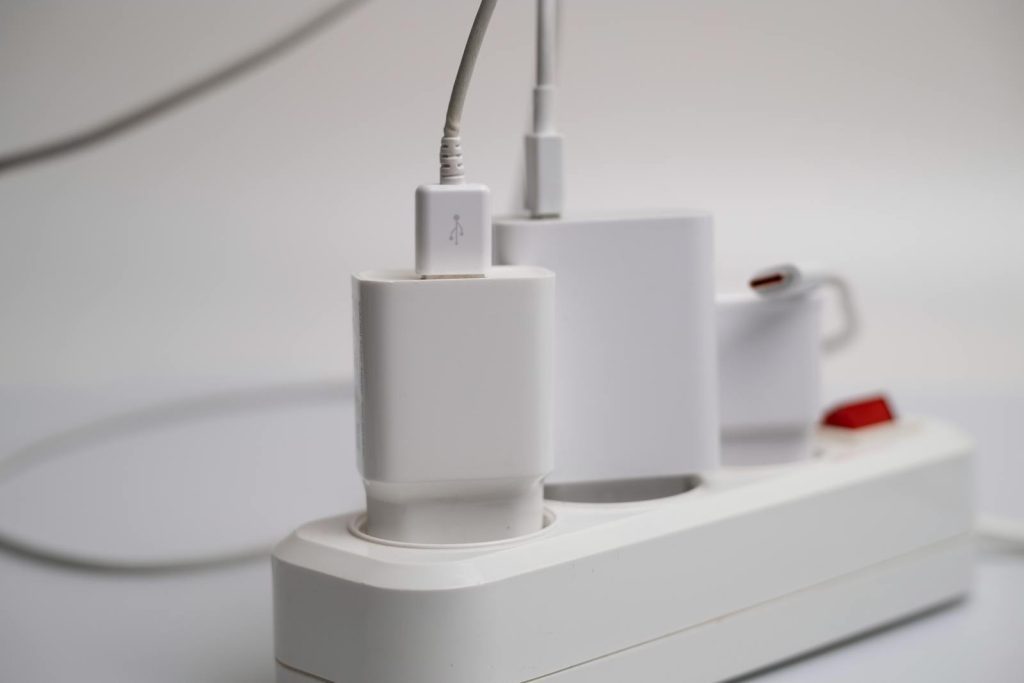
First things first: surge protection. Some power strips come with built-in surge protectors, while others do not. A surge protector is like a superhero for your electronics, absorbing extra voltage during power spikes. If you’ve ever experienced a lightning storm (or an unexpected power surge from your neighbor’s DIY project), you know how crucial this feature can be. Without it, you’re rolling the dice on fried circuits and expensive repairs.
2. Joules Matter
Now, let’s talk joules. Don’t worry; this isn’t a physics lecture! Joules measure how much energy a surge protector can absorb before it gives up the ghost. The higher the joules rating, the more protection you get. Think of it as the power strip’s endurance in the face of electrical chaos. If you’re plugging in high-value electronics, aim for a strip with a joules rating of at least 1,000. It’s like giving your devices a sturdy shield against electrical villains.
3. Number of Outlets and Spacing
Ever try to plug in a bulky charger next to another one and end up playing a game of electrical Tetris? The number and spacing of outlets on a power strip can greatly affect safety. Some strips have outlets that are spaced out better, allowing for the use of larger plugs without blocking adjacent spaces. If you’re cramming in too many devices, it can lead to overheating. So, look for a power strip with a good number of well-placed outlets, and you’ll avoid that awkward plug-juggling act.
4. Built-in Circuit Breakers
This one’s a biggie! Some power strips come equipped with circuit breakers that can trip if there’s an overload. It’s like having a safety net in place. If you accidentally plug in too many devices, the circuit breaker kicks in and shuts down power before anything gets damaged. No more worrying about which device is going to be the sacrificial lamb! Just reset the breaker, and you’re back in business, no harm done.
5. Quality of Materials
Believe it or not, the materials used in making power strips can make a difference in safety. Higher-quality power strips often use better wiring and insulation, reducing the risk of overheating and short-circuiting. Cheaper alternatives might cut corners, leaving you with a flimsy connection that could fail when you need it most. It’s like buying a pair of shoes: you can get the cheap ones that’ll fall apart after a week, or invest in a pair that’ll last you for years. Your electronics deserve better than the flimsy footwear of the electrical world!
6. Certifications and Standards
Last but not least, always check for certifications. Reputable power strips will have certifications from organizations like Underwriters Laboratories (UL) or the Canadian Standards Association (CSA). These certifications mean that the product has been tested for safety and performance standards. Think of it as a stamp of approval. If you see these labels, you can feel a bit more confident plugging in your devices, knowing they’re less likely to spontaneously combust while you’re binge-watching your favorite series.
Wrap Up
So there you have it! When shopping for a power strip, keep these six safety features in mind. It’s a small investment for peace of mind and the protection of your beloved gadgets. After all, the last thing you want is to be that person who accidentally fries their laptop because they skimped on a power strip. Treat your electronics right, and they’ll treat you right back. Happy plugging!