


When we dine out, we often trust that the dishes on the menu are exactly what they seem. But sometimes, restaurant foods aren’t quite what we expect. This can be surprising, especially when a favorite meal turns out to be different from what we imagined.
Understanding which restaurant foods aren’t what they seem can change the way we order and enjoy our meals. By looking closer at what’s really inside some popular dishes, we can appreciate our food with a bit more knowledge and curiosity.

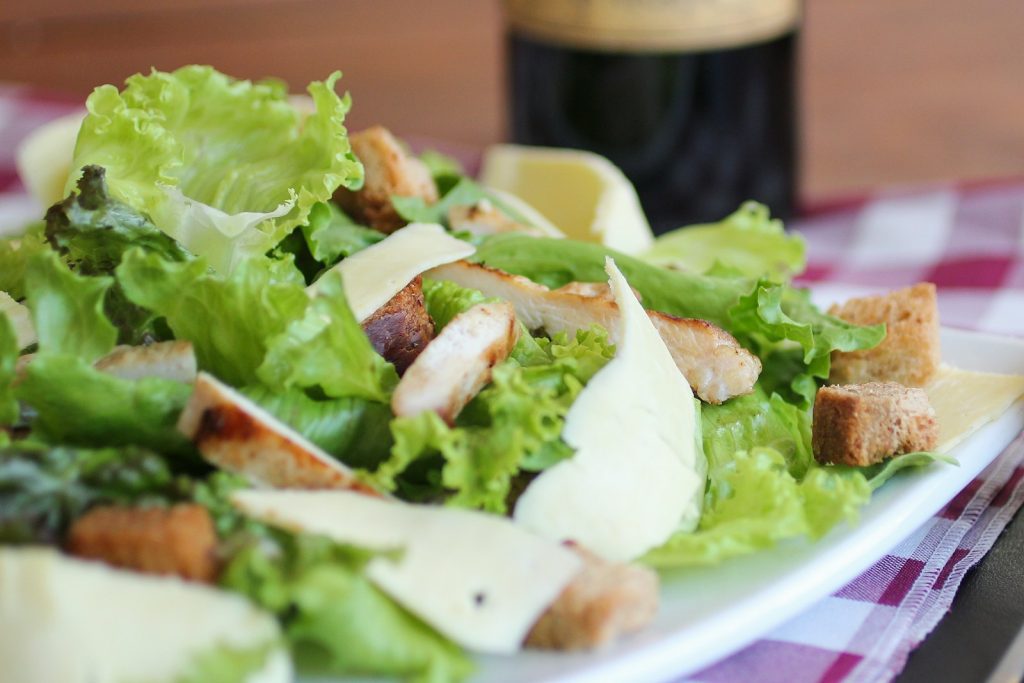
Caesar Salad Dressing Often Contains Anchovies, Not Just Parmesan
When we think of Caesar salad dressing, Parmesan cheese often comes to mind first. However, anchovies are a key ingredient in traditional recipes. They add a salty, umami depth that really sets the dressing apart.
Not all dressings include anchovies, though. Some versions skip them or use substitutes like Worcestershire sauce, which contains anchovy flavor. If you’re curious, it’s worth checking the ingredient list next time.
We’ve found that the anchovy flavor, even when subtle, contributes a unique twist that many of us appreciate in a classic Caesar salad.
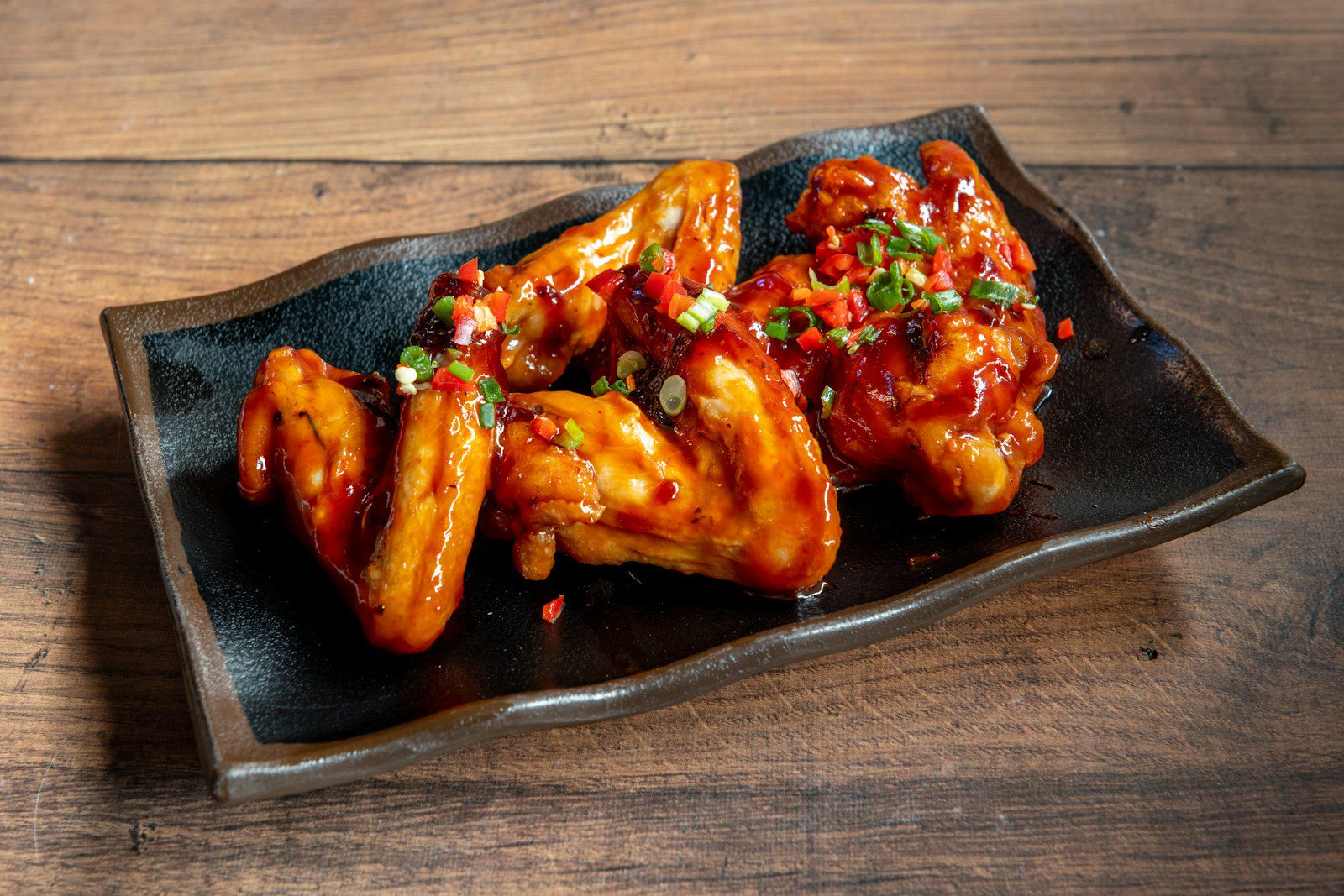
Buffalo Wings May Be Fried in Beef Tallow Instead of Traditional Oil
When we think of fried foods, vegetable oils usually come to mind. But with Buffalo wings, it’s not always that simple. Some restaurants, including popular chains, use beef tallow—a rendered beef fat—to fry their wings.
This choice gives wings a richer, crispy texture and distinct flavor. While some sources say Buffalo Wild Wings uses a blend of vegetable oils, others confirm beef tallow is part of their frying process. It’s worth asking at your favorite spot if you want to know exactly what’s in your wings.
French Fries Originated in Belgium, Not France
We often assume French fries came from France, but they actually started in Belgium. In the 1600s, Belgian villagers cut potatoes into strips and fried them as a substitute when frozen rivers made fishing impossible.
American soldiers in World War I found these fries in Belgium’s French-speaking region and called them “French fries.” That name stuck, even though the fries themselves are Belgian in origin. We can all enjoy them knowing their true roots!
Sushi Rolls Commonly Include Imitation Crab, Not Real Crab
When we think of sushi rolls like the popular California roll, we often imagine fresh crab meat. In reality, many restaurants use imitation crab instead. This product, made from white fish like Alaska Pollock, is processed to mimic the taste and texture of crab.
Using imitation crab helps keep costs down and offers a consistent flavor. However, it’s good for us to know what we’re actually eating, especially if we have allergies or dietary preferences. If we want real crab, it’s best to ask before ordering.
Wasabi Served Often is Horseradish, Not True Japanese Wasabi
When we order sushi, we usually expect that bright green paste to be wasabi. But most of the time, it’s actually horseradish mixed with mustard and green coloring. Real wasabi, from the Wasabia japonica plant, is rare and expensive to grow.
Only a few high-end restaurants serve genuine wasabi. It requires special conditions like shade and clean water to grow. So, the next time we enjoy sushi, remember that what looks like wasabi is probably a horseradish substitute.
Pad Thai Usually Contains Tamarind, A Surprising Ingredient
When we think of Pad Thai, we often picture stir-fried noodles with peanuts and lime. But one ingredient that might surprise us is tamarind. This tangy fruit pulp is a key part of the authentic sauce.
Tamarind adds a unique sweet and sour flavor that balances the dish perfectly. Without it, Pad Thai loses its signature taste. Many restaurant versions skip tamarind or replace it with simpler acids like vinegar or lemon.
Using tamarind helps us get closer to the real street-food experience from Thailand. It’s worth trying to find tamarind paste or pulp if we want to make genuine Pad Thai at home.