


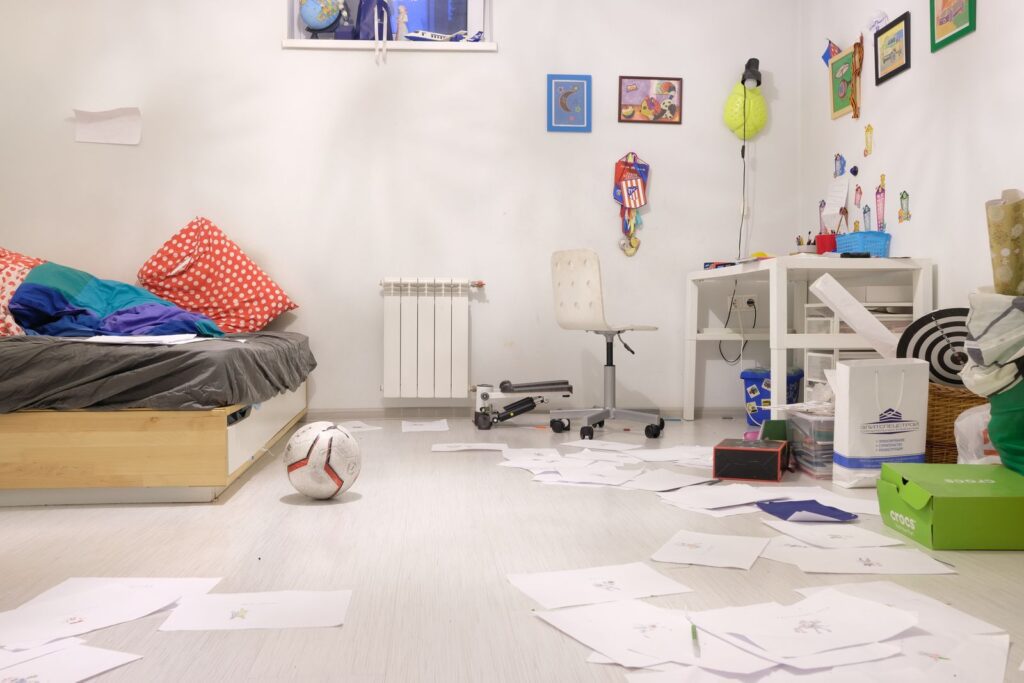
There’s a very specific panic that hits when someone texts “be there in ten minutes” and you suddenly see your own living room like a stranger would. You start frantically shoving things into closets, fluffing pillows, and hoping nobody looks too closely at, well, anything. But the truth is that guests usually aren’t scanning for the mess you’re worried about — they’re picking up on a much smaller, much faster set of cues before they even sit down.
Knowing what actually registers first can save you a lot of last-minute scrambling, because it’s rarely the pile of mail on the counter that gives it away. Here are six things guests tend to notice about a messy house before you’d expect.

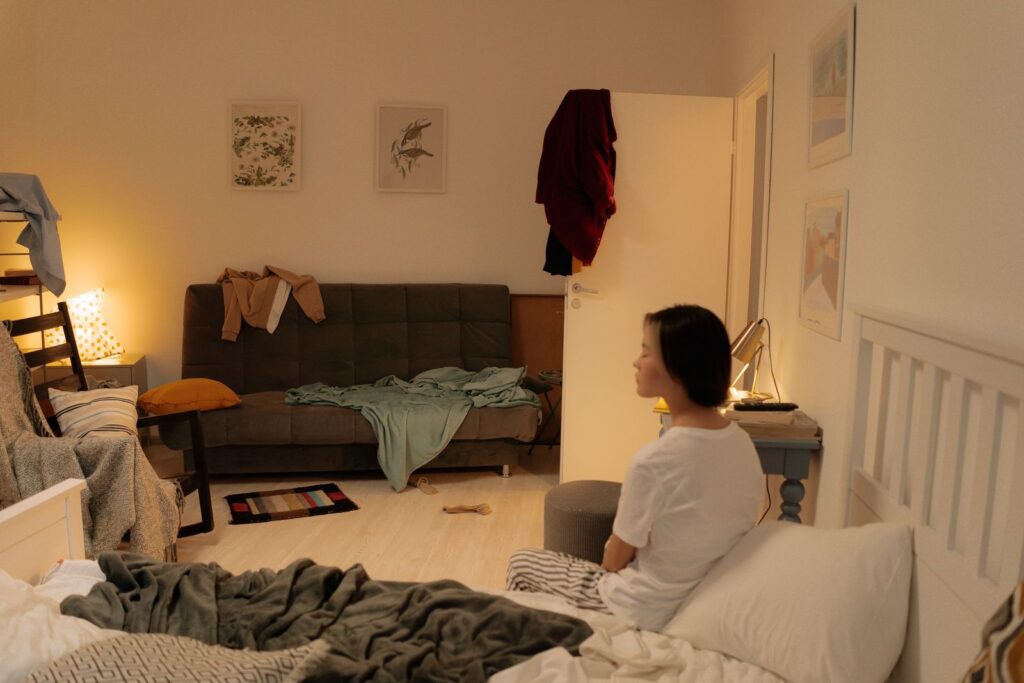
The Smell, Immediately
You stop noticing your own home’s smell because your nose adapts to consistent scents over time, a phenomenon researchers at the Monell Chemical Senses Center describe as a real sensory effect, sometimes called “nose blindness.” A guest walking in fresh has no such adaptation, which means pet odors, trash that needs to go out, or lingering cooking smells register instantly for them, even when you genuinely can’t smell a thing.
The Entryway, Before Anything Else
The first few feet inside your door set the tone for the entire visit, simply because it’s the first thing anyone sees, and there’s no way around walking through it. A pile of shoes, jackets slung over a bannister, and stray mail create an impression before a guest has even made it to the room you actually cleaned.
Bathroom Counters, Not Bathroom Floors
When guests use your bathroom, their eyes go straight to the counter and mirror area, since that’s what’s at eye level while they’re washing their hands — not the floor, which most hosts obsess over. A counter cluttered with half-empty products and toothpaste smears gets noticed faster than a floor that’s slightly overdue for a mop.
Sticky or Dusty Surfaces They Touch
Guests don’t need to see mess to register it; they just need to touch a doorknob, light switch, or countertop that feels the slightest bit tacky or dusty. Visual mess can sometimes be argued away as “lived-in,” but a physically sticky surface registers on a more instinctive, harder-to-shake level.
How the Couch Feels, Not How It Looks
You can style a couch beautifully with pillows arranged just so, but the moment a guest sits down on cushions that are sagging, crumb-covered, or damp from a spilled drink days ago, the visual effort stops mattering. Comfort and cleanliness at the point of actual contact tend to override how a room looked on first glance.
The Volume of Stuff, Not the Mess Itself
Interestingly, guests are often more affected by sheer volume — how much stuff is visible in a room — than by whether that stuff is neatly arranged. A room packed with belongings, even ones that are technically organized, can still read as overwhelming or cluttered, while a sparser room with a few things slightly out of place often reads as more relaxed and put-together.