


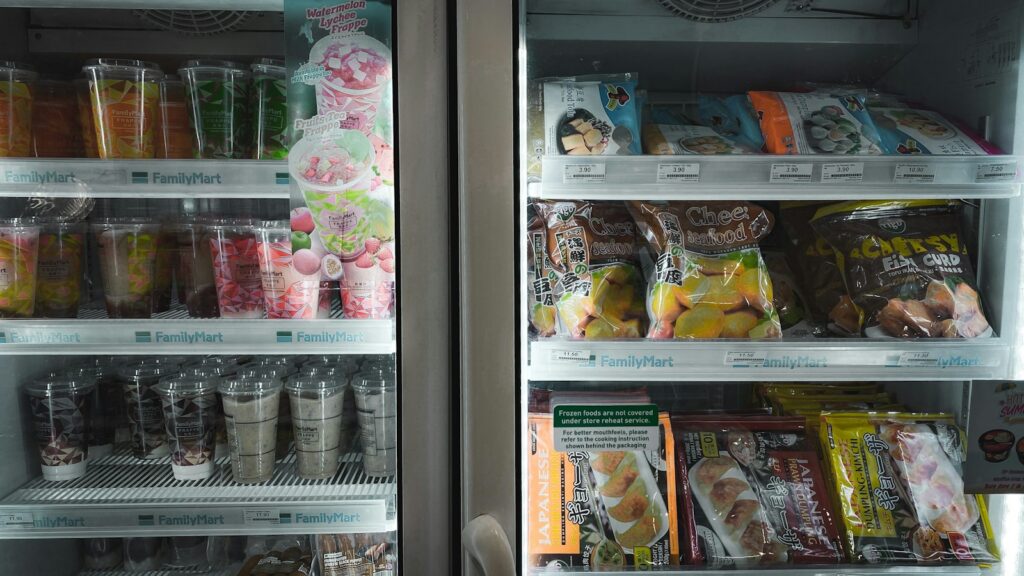
The freezer has a unique power that no other kitchen storage space has: it makes time stand still, or at least it feels that way, which means it’s remarkably easy to lose track of something for years without it ever looking obviously wrong. A frost-covered container in the back corner could be from last month or from before your youngest started kindergarten, and there’s really no way to tell just by looking.
Unlike the pantry or fridge, where spoilage eventually forces the issue, freezer items can sit indefinitely in a kind of limbo — not actively unsafe in most cases, but well past the point where they’ll actually taste good. The USDA notes that food kept frozen continuously is technically safe to eat indefinitely, but quality declines over time, which is exactly why a freezer clean-out is more about taste and freezer space than safety. Here are six things almost every freezer is quietly hoarding.

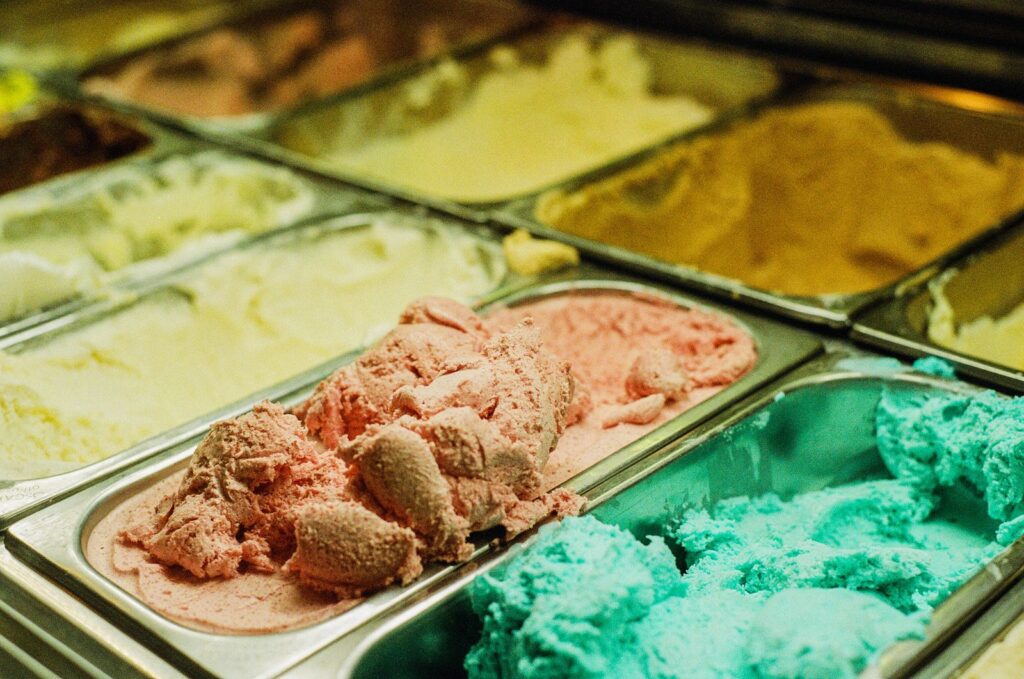
Ice Cream With Visible Freezer Burn
A half-eaten carton of ice cream that’s developed a crunchy, icy layer on top is one of the most universal freezer occupants, usually kept out of a reluctance to throw away something that still technically counts as dessert. Freezer burn happens when air reaches the surface of food, causing moisture loss and that characteristically grainy texture, and while it’s not unsafe to eat, it’s rarely enjoyable once it’s set in. Keeping ice cream tightly sealed and pressing plastic wrap directly against the surface before resealing the lid helps slow this process considerably. If a carton has been open for several months and has visible ice crystals throughout, it’s usually not worth saving compared to starting a fresh one.
Mystery Meat in Unlabeled Freezer Bags
Ground beef, chicken breasts, or a cut of pork frozen in a plain bag with no label or date can become a genuine guessing game after enough time has passed, especially once freezer frost obscures the color and shape. Meat that’s been in the freezer for an extended period, even if technically still safe, often shows quality issues like changes in texture and off flavors developed from prolonged freezing. Labeling every item with the contents and the date before it goes in the freezer, even with just a piece of tape and a marker, removes the guesswork entirely going forward. For any meat you genuinely can’t identify or that’s been in there for an unknown but clearly long stretch, it’s reasonable to just let it go rather than risk cooking with it.
Bread and Bagels Bought “For Later”
Bread freezes well in theory, which makes it tempting to stock up during a sale, but loaves and bagels often get pushed to the back of the freezer and forgotten once the current loaf is being used. Over time, bread can develop freezer burn or an off taste, even though it remains technically edible. Keeping frozen bread in a visible spot near the front, and rotating older loaves to the top of the list for toast or sandwiches, helps ensure it actually gets used before quality declines too much. A loaf that’s been frozen for many months with visible ice crystals is usually better suited for croutons or bread pudding than a sandwich, if it’s used at all.
Homemade Meals From a Batch-Cooking Phase
Many people go through periods of ambitious batch cooking or meal prepping, freezing individual portions of soups, casseroles, or sauces with great intentions. Inevitably, some of these containers get pushed behind newer additions and forgotten for months, occasionally emerging only during a deep freezer clean when they’ve been reduced to unidentifiable frozen blocks. Doing a monthly freezer inventory check, and prioritizing the oldest homemade meals for the week’s dinner rotation, prevents this batch-cooking effort from going to waste. If a homemade meal has been in the freezer for over a year, it’s generally safer and more appetizing to toss it and start fresh.
Ice Packs and Gel Packs From Old Coolers or Shipments
Ice packs from shipped meal kits, medical supplies, or an old lunch cooler tend to accumulate in a freezer’s door or bottom drawer well beyond the number anyone actually needs. Because they take up very little individual space, it’s easy to keep adding new ones without noticing how many have piled up over time. Keeping a reasonable handful for actual use — a cooler trip, a sports injury — and recycling or repurposing the rest frees up meaningful freezer space. Many of these gel packs can’t be thrown directly in household trash depending on local regulations, so checking disposal guidelines before tossing a large batch at once is worth doing.
Freezer-Burned Vegetables From Bags Left Open
A bag of frozen vegetables that’s been opened, used partially, and then not sealed tightly again is a common culprit for freezer burn, since exposure to air is the primary cause of that grainy, frosted texture. Vegetables affected this way are still safe to eat but often taste noticeably worse and can have an unappealing texture once cooked. Transferring opened bags into a resealable freezer bag with the air pressed out, or using a clip specifically designed for freezer bags, extends their usable life considerably. If a bag has been open and loosely closed for many months, it’s worth checking for ice crystals throughout before deciding whether it’s still worth cooking with.