The space under the kitchen sink is small but mighty in terms of what it manages to hold — cleaning supplies, spare sponges, plumbing fixtures, and a surprising number of things that probably shouldn’t be stored there at all. Because it’s a low, closed cabinet, it’s also one of the easiest spots to forget about until something spills or you’re on your knees searching for a specific spray bottle.
Here are six things worth clearing out from under your sink this weekend.
Cleaning Products With No Childproof Barrier
If there are young children or curious pets in your home, this cabinet deserves particular attention. The Consumer Product Safety Commission emphasizes storing household chemicals safely out of reach and using child-resistant packaging as key steps in preventing accidental poisonings. Its advice is to keep chemicals and cleaning supplies in a locked cabinet or box, out of the reach of children, and to leave them in their original child-resistant containers. Laundry packets get the same treatment: original container, out of a child’s sight and reach. The agency’s poison prevention page reports an estimated 67,000 emergency department-treated injuries in children under 5 in 2023, and says nearly seven out of 10 poisonings happened at home. If your under-sink cabinet doesn’t have a safety latch and holds cleaning chemicals, that’s worth addressing before anything else on this list. Either fit a lock or move the chemicals to a high cabinet. Save the national Poison Help line, 1-800-222-1222, in your phone while you’re at it.
Half-Empty Bottles of the Same Cleaner
It’s common to buy a new bottle of dish soap or all-purpose cleaner before realizing there’s already a nearly empty one pushed to the back. Pull everything out and group it by job: dish soap, dishwasher detergent, surface sprays, glass cleaner, floor cleaner. The duplicates show up fast once they’re side by side. Combine two bottles only when they are exactly the same product, with the same brand and the same name on the label, and pour into one of the original labeled bottles. If they differ at all, leave them separate and put the older one in front so it gets used first. The federal Poison Help program’s prevention tips say to keep products in their original containers and never to mix household or chemical products together, because doing so can create a dangerous gas. Rinse and recycle the empties if your local program accepts them, then make a habit of checking what’s already there before adding another bottle to your cart.
Old Sponges and Scrub Brushes
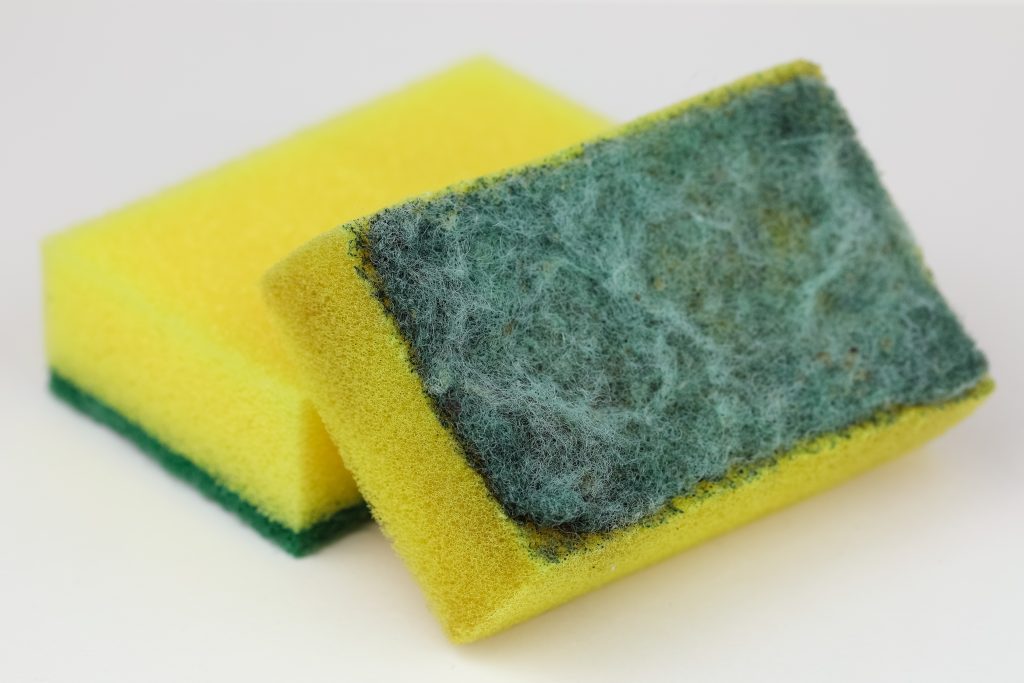
Sponges harbor bacteria quickly and should be replaced regularly rather than kept in rotation indefinitely. A rinse under the tap doesn’t do much. When researchers at the USDA’s Agricultural Research Service tested ways to clean kitchen sponges, soaking them in a bleach solution, lemon juice, or water killed between 37 and 87 percent of the bacteria. A run through a dishwasher with a drying cycle killed 99.9998 percent, and one minute in a microwave did slightly better. The dishwasher is the easier of the two to copy at home, so put the sponge you are keeping on the top rack with your next load. Cleaning only goes so far, though. Toss any sponge that smells sour, is slimy, or is tearing apart, and any brush with flattened, splayed, or stained bristles. If you’ve got a collection of well-worn sponges and brushes under the sink, throw out the oldest ones and keep a fresh, working set that can dry out between uses.
Expired Cleaning Products
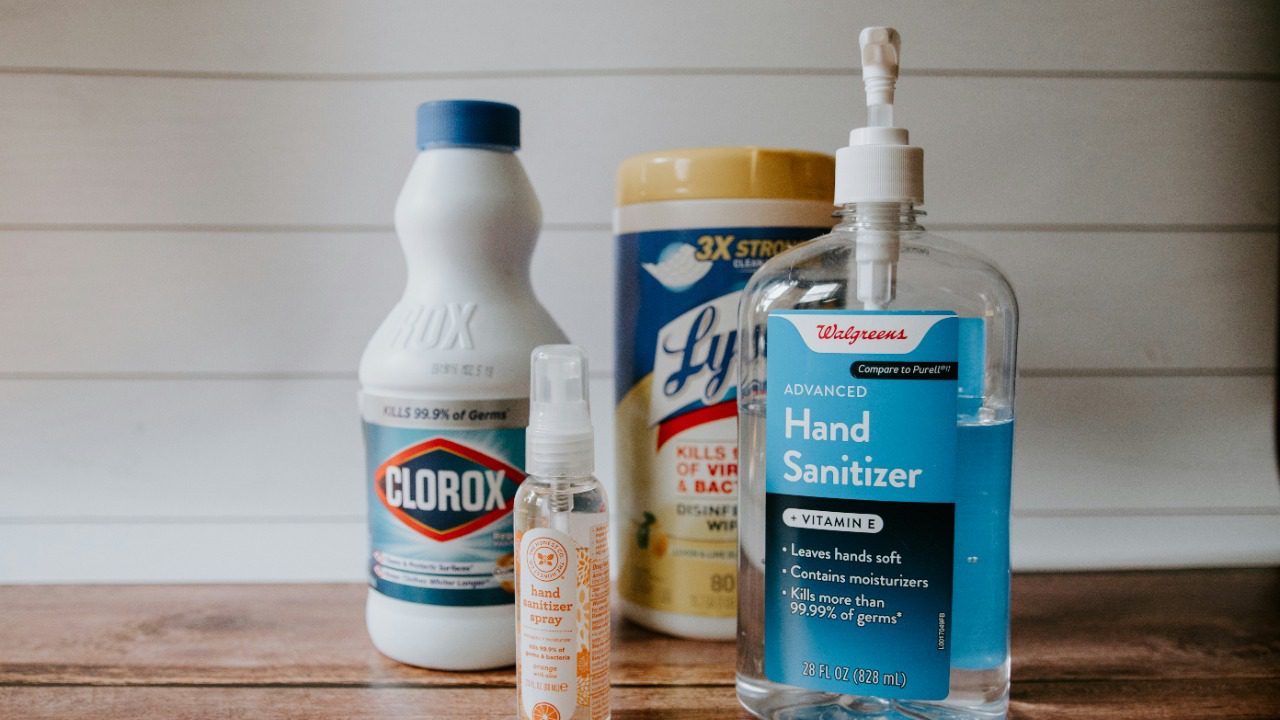
Many cleaning products do have a shelf life, and their active ingredients can lose effectiveness over time, particularly bleach-based formulas. Age matters enough that the EPA’s instructions for disinfecting water in an emergency call for fresh liquid bleach, or bleach that has been stored at room temperature for less than a year. Diluted bleach fades far faster. The CDC says to make a new diluted bleach solution daily, because it won’t be as effective once it has been mixed with water for more than 24 hours. A spray bottle of bleach and water you mixed last month is not doing the job you think it is. Check any printed dates on the rest, and if a product has separated, changed color, or lost its scent entirely, it’s likely past being effective. Don’t combine old bottles to use them up. The CDC warns never to mix household bleach with any other cleaners or disinfectants, because the vapors can be very dangerous to breathe.
Extra Trash Bags in the Wrong Size
A bag of trash liners that don’t actually fit your current trash cans, kept from a previous can or a bulk purchase gone wrong, are just taking up space. Bags are sold by capacity in gallons, and the number is printed on the front of the box. Find your can’s capacity, which is often stamped on the bottom or printed inside the lid, and compare the two. A bag that is too small slips down inside the can, and one that is far too big bunches up and wastes plastic. Before you give the misfits away, see whether they fit another job in the house. Small liners work in bathroom and bedroom bins or in the car. Oversized bags are handy for yard cleanup or for hauling a load to the donation center. Donate unopened boxes that don’t fit your needs, and stick to a consistent size going forward. Write the gallon size inside the cabinet door so the right box is easy to buy next time.
Random Plumbing Parts From an Old Repair
Extra washers, a spare trap piece, or leftover parts from a plumbing fix sometimes get stored under the sink indefinitely, even after the repair is long finished. Sort them into what belongs to the fixtures you have now and what doesn’t. Worth keeping: the manual for your current faucet or disposal, any small wrench or key that came with it, and unused spare parts made for that model. Put them in a zip-top bag and write the fixture and the date on it. Worn washers, cracked gaskets, and corroded pieces that were taken out during a repair have no second life and can go. If you can’t identify what a part belongs to or the project it was for, it’s a reasonable candidate to clear out rather than keep as an unlabeled mystery. While the cabinet is empty, run the tap and look at the trap and the shutoff valves for drips, and check the cabinet floor for water stains or swelling.