


When something in your home breaks, it’s tempting to replace it right away. But before making that decision, it’s worth considering whether a simple repair could save you time, money, and hassle. Knowing when to fix items instead of replacing them helps you keep quality possessions longer and reduce unnecessary waste.
You don’t always need special tools or skills to tackle many common repairs yourself. Understanding which things are usually better off fixed rather than tossed can make a big difference in how you manage your belongings and budget. This approach not only benefits your wallet but also supports more sustainable living habits.
Damaged wood furniture
If your wood furniture has scratches, chips, or water stains, you don’t have to replace it right away. Simple repairs like filling in scratches or sanding down damaged areas can restore its look.
You can fix loose joints and even patch missing veneer with a bit of patience and the right materials. These repairs save money and keep your favorite pieces around longer.
Plus, fixing wood furniture lets you preserve any sentimental value it holds, making your home feel more personal and comfortable.
Leaky faucets
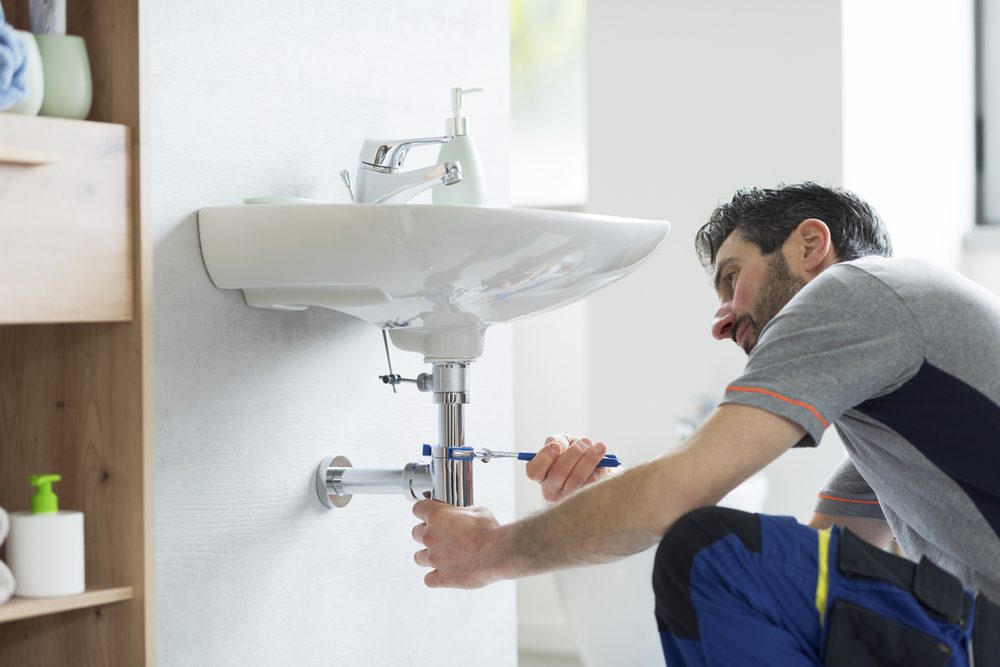
If your faucet is dripping, it might seem like a small problem, but it can waste plenty of water over time. Fixing a leaky faucet is often simple and doesn’t require a full replacement.
Most leaks come from worn washers, seals, or valves that you can replace yourself. Catching the problem early helps you avoid higher water bills and keeps things running smoothly.
Repairing your faucet can save money, and it’s better for the environment too. You don’t always need a plumber or a new faucet when a quick fix will do.
Torn sweaters and blankets
When your favorite sweater or blanket gets a tear, you don’t have to toss it out. Small holes or rips can often be fixed with simple sewing techniques like darning or patching.
If the damage is bigger, consider stitching around the tear to add strength or attaching a backing fabric. This keeps your item cozy and usable for longer.
Fixing these items not only saves money but also helps reduce waste. Plus, mending can be a satisfying way to bring your worn pieces back to life.
Chipped pottery and ceramics
If you have a chipped plate or vase, you don’t need to toss it. You can fix many chips at home using food-safe, two-part epoxy.
Start by cleaning the damaged area well. Then carefully apply the epoxy to fill the chip, and let it dry completely.
Once cured, you can sand and paint the repair for a smooth, nearly invisible finish. This way, your favorite ceramics stay useful and beautiful longer.
Scratched phone screens
If your phone screen has minor scratches, you don’t always need to replace it. You can try simple remedies like gently buffing the scratches with toothpaste or specialized glass polish.
These methods work best on small, shallow scratches and can improve your screen’s appearance without extra cost.
For deeper scratches, a screen protector can hide damage and prevent worsening. This way, you keep using your phone comfortably without spending on a new screen.
Broken zipper on jackets
If your jacket zipper is stuck or won’t close properly, don’t rush to replace the whole jacket. Many zipper issues, like a stuck slider or misaligned teeth, can be fixed with simple tools at home.
You can try loosening the slider with a pair of pliers or applying a bit of lubricant for smooth movement. If teeth are missing or the zipper tape is torn, then replacement might be necessary, but often a quick repair is enough to make your jacket wearable again.