


Spring is a popular time to refresh your living space by decluttering and donating items you no longer need. You might feel great about giving to others, but not every item is suitable for donation.
Knowing which things you should avoid donating can save you time and help ensure your donations actually benefit those in need. Understanding this can also prevent unnecessary waste and frustration for donation centers.
Broken or heavily worn luggage
If your luggage has missing zippers, broken handles, or large rips, it’s best not to donate it. Donation centers usually can’t use heavily worn suitcases, and they might end up thrown away.
Gently used luggage is a better choice for donation since it still has value and can be useful to others.
Before you donate, take a close look at your luggage’s condition. If it’s too damaged, consider recycling or repurposing it instead.
Used pillows and bedding
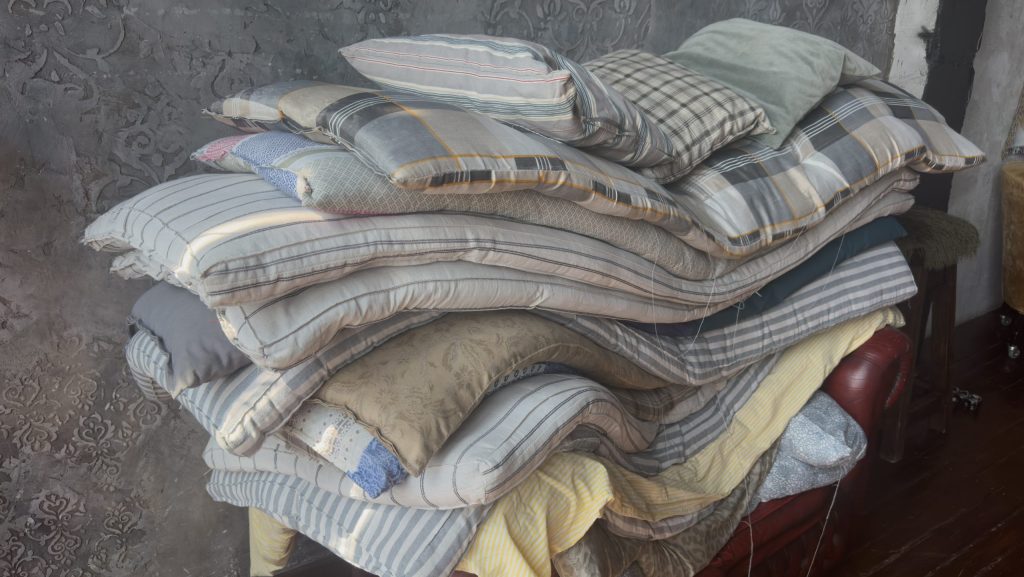
You should avoid donating used pillows and bedding. These items often hold dust mites, allergens, and bacteria, which can cause hygiene concerns for recipients.
Most charities won’t accept them because they are hard to clean thoroughly. Instead, consider repurposing old pillows as pet beds or donating them to animal shelters.
If your bedding is in good condition, selling it locally or recycling it responsibly is a better option. This way, you keep your donations safe and useful for others.
Expired or opened food items
You should never donate expired food. It can be unsafe and might cause health risks for those receiving it. Food banks and shelters require items to be within their expiration dates to ensure safety.
Opened food packaging is also a no-go. Once a package is opened, contamination can happen, and food pantries can’t accept it. Always check that your donations are sealed and unopened to be helpful.
Damaged electronics
You should avoid donating damaged electronics during your spring decluttering. Broken screens, missing parts, or devices that don’t work can be a burden to donation centers. They often have to pay to dispose of them properly.
Instead, consider recycling your old electronics through certified e-waste programs. These programs handle harmful materials safely and help recover valuable components. This way, you’re helping the environment and keeping donation centers from unnecessary hassle.
Stained or torn clothing
You should avoid donating clothing that is stained, torn, or heavily worn. These items are usually not accepted by donation centers because they can’t be resold or worn again.
If you wouldn’t wear the item yourself, it’s best not to donate it. Instead, consider repairing or repurposing the clothing when possible.
Damaged clothes often end up in landfills, so throwing them away or recycling them responsibly is a better option. This helps keep donation centers focused on useful, wearable items.
Old mattresses
You might think donating your old mattress is helpful, but it’s usually not a good idea. Mattresses can carry dust mites, bedbugs, and bacteria, which makes them unhygienic for donation.
Even if your mattress looks clean, most charities won’t accept it. They need items that are safe and ready to use right away.
If you want to get rid of an old mattress, consider recycling programs or special disposal services instead. This helps keep donation centers from receiving unsafe items.