


Everyone has things that tend to pile up over time, whether it’s clutter around the house, leaves in the yard, or even emails in your inbox. While it might seem harmless at first, letting certain things accumulate can lead to more stress, mess, or problems down the line.
Knowing what not to let pile up can help you stay organized, save time, and reduce unwanted stress. By being mindful of what to handle right away, you can keep your environment and mind clearer without feeling overwhelmed.
Fallen leaves in gutters
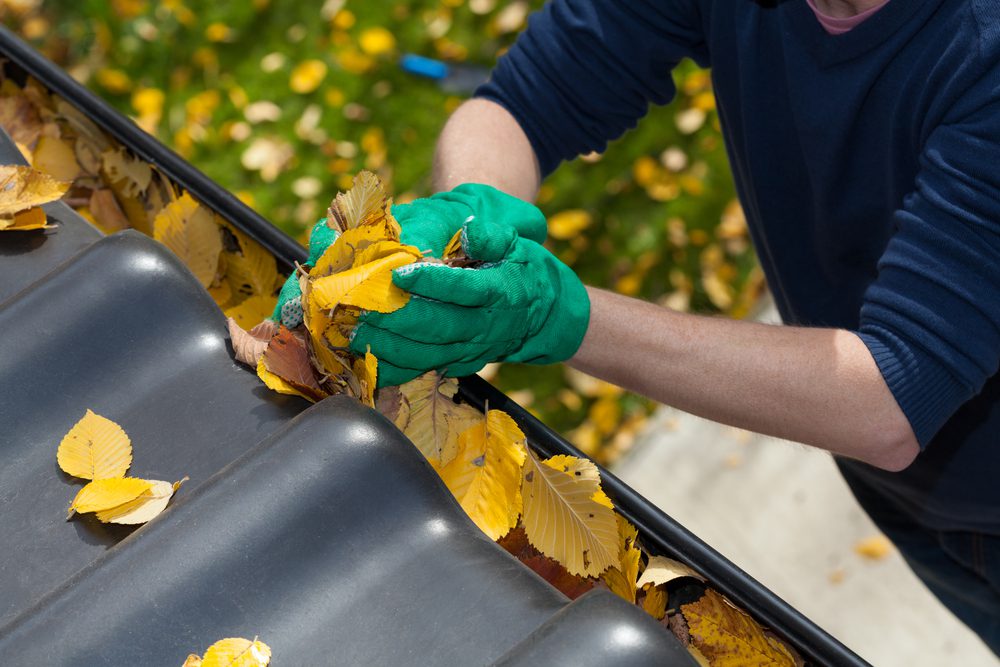
You should never let fallen leaves pile up in your gutters. When leaves block gutters, water can’t flow freely, which may lead to overflow and damage to your home’s foundation or roof.
Clearing leaves from gutters regularly helps prevent moisture problems and protects your home from costly repairs. Using a leaf blower or roof rake can make removing leaves easier and safer for you.
Even with gutter guards, leaves can still get stuck, so checking and cleaning your gutters is important, especially during heavy leaf-fall seasons.
Dirty dishes in the sink
Leaving dirty dishes to pile up in your sink might seem harmless, but it creates a perfect environment for bacteria to grow. This can lead to unpleasant smells and even health concerns if left too long.
You might think soaking dishes helps, but letting them sit too long can actually make cleaning harder. It’s best to wash them soon after use to keep your kitchen fresh.
A cluttered sink can also stress you out more than you realize. Keeping up with dishes helps your space feel cleaner and keeps your daily routine smoother.
Old half-used toiletries
You might have bottles and containers of shampoo, lotion, or makeup sitting unused for months. These items can take up space and add to clutter.
Keeping half-used toiletries that you no longer use isn’t practical. They can expire or lose effectiveness over time.
Instead of letting them pile up, consider donating unopened items to shelters if allowed. Otherwise, look for eco-friendly disposal options to avoid adding waste to your trash.
Emails from unwanted newsletters
You might get subscribed to newsletters without realizing it. Letting these emails pile up can clutter your inbox and make it harder to find important messages.
Instead of just deleting them, consider marking unwanted emails as spam. This helps your email service learn which messages to filter out in the future.
If the newsletter is truly unwanted, use the unsubscribe option carefully. Sometimes, blocking the sender or using email aliases can give you better control and reduce spam.
Junk cluttering living spaces
You might not notice it, but junk slowly takes over your living spaces. Small things like old magazines, broken gadgets, or random bits can pile up without you realizing it.
This kind of clutter doesn’t just crowd your home; it can make it harder to focus and relax. Keeping these items in check helps your space feel calm and inviting.
Try to regularly clear out anything you no longer use or need. A little effort each day prevents junk from turning into a bigger problem.
Unturned compost piles
When compost piles sit unturned, the process slows down a lot. Your compost may start to smell unpleasant and attract pests.
Turning your compost helps air flow and speeds up decomposition. It also prevents harmful bacteria from taking over.
If you don’t turn your pile regularly, it can become compacted and wet. This creates a poor environment for healthy microbes.
To keep your compost healthy, aim to turn it every week or two. This simple step can make a big difference in how quickly your compost breaks down and stays fresh.