


When you’re gathering items to donate, it’s easy to toss in things without a second thought. But not everything in your donation bag is actually helpful to the organizations receiving them.
Knowing what to pull out of your donation bag can save volunteers time and make sure your donations really make a difference. This article will help you spot common items that often cause more trouble than good, so you can donate smarter and support your community better.
Expired canned goods
You might think expired canned goods are fine to donate, but food banks usually avoid them. Even if cans look sealed and intact, expiration dates exist for a reason.
Some food banks accept cans slightly past their “best by” date if there’s no damage or swelling. However, swollen, rusted, or dented cans should never be included.
It’s best to check with your local pantry before donating expired items. When in doubt, stick to unexpired, shelf-stable foods to make your donation most useful and safe.
Used or damaged clothing
You should avoid donating clothing that’s heavily worn, torn, or stained beyond repair. These items often can’t be reused and just create extra work for donation centers.
If your clothes have holes, strong odors, or mold, it’s best to toss them or find a recycling option. Gently used clothes in good condition are far more helpful to those in need.
Broken electronics
If you find broken electronics in your donation bag, it’s best to pull them out. Thrift stores usually can’t accept gadgets that don’t work because they require costly disposal or repairs.
Instead, look for local e-waste recycling programs or companies that specialize in handling old or damaged electronics. This helps keep harmful materials out of landfills and supports responsible recycling.
By only donating working electronics, you make it easier for stores to resell items and help their causes. Your thoughtful sorting makes a big difference.
Opened hygiene products
Please don’t include opened hygiene products like shampoo, lotion, or makeup in your donations.
These items can’t be accepted for health and safety reasons. They may carry germs or contamination risks that donation centers must avoid.
Stick to new, unused, and unopened products instead. This ensures your donation is safe and truly helpful to those in need.
Worn-out shoes
If your shoes are heavily worn or damaged, they probably don’t belong in donation bags. Shoes that are too worn out to wear can’t be reused and may cause more harm than good.
Instead, consider recycling them through programs like Nike Grind or TerraCycle. Some stores accept old shoes for upcycling, helping reduce waste.
For shoes with minor damage, you might try repairing them or repurposing them into crafts or planters. This way, you give your worn shoes a fresh life without adding trash.
Stained bedding or towels
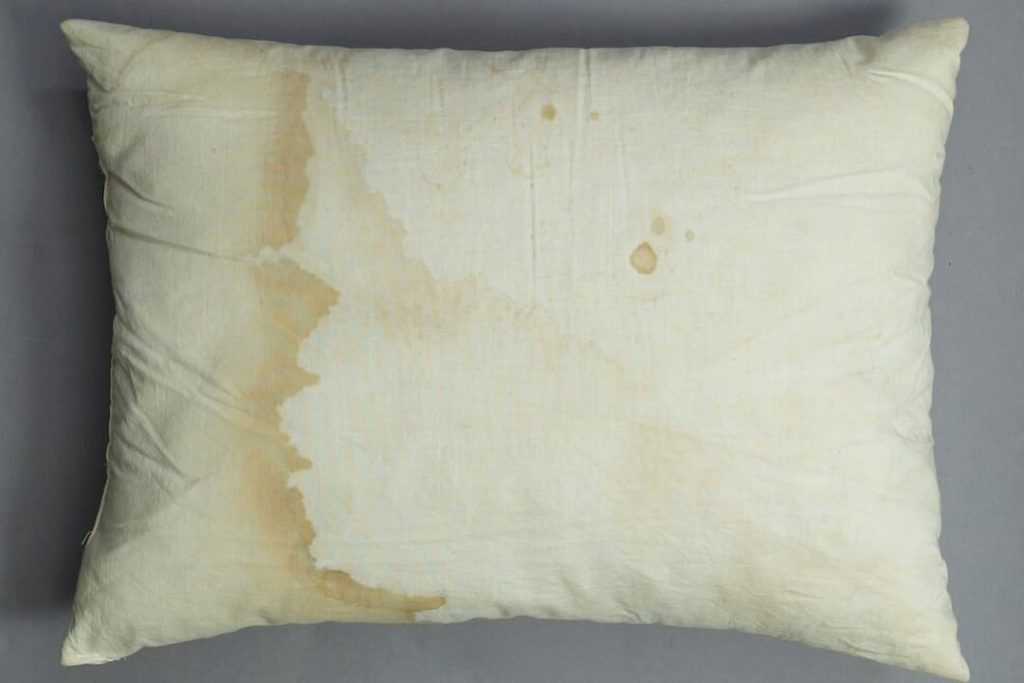
You might think stained bedding or towels are okay to donate, but they usually aren’t accepted. Stains can be tough to remove, and many donation centers prefer items that are clean and in good condition.
If you notice marks or discoloration, it’s best to pull those items out. Giving fresh, stain-free bedding and towels helps ensure they’ll be useful for someone else. Plus, it saves the center time and effort cleaning them.