


You probably think your home is cleaner than it actually is. Many everyday items and surfaces collect dirt, grime, and bacteria without you realizing it, even after regular cleaning.
Understanding which areas are often overlooked helps you keep your space healthier and fresher. This article will highlight some common things you might believe are clean but aren’t, so you can give them the attention they need.
Dishwasher filters
You might assume your dishwasher always cleans thoroughly, but its filter can hide food particles and grime. This buildup reduces cleaning power and can cause unpleasant smells.
Cleaning the filter every few weeks helps keep your dishwasher efficient. Simply remove the filter, rinse it under warm water, and scrub gently with a soft brush.
Regularly maintaining your dishwasher filter prevents clogs and keeps your dishes sparkling. It’s a quick task that makes a noticeable difference in your kitchen’s cleanliness.
Remote controls
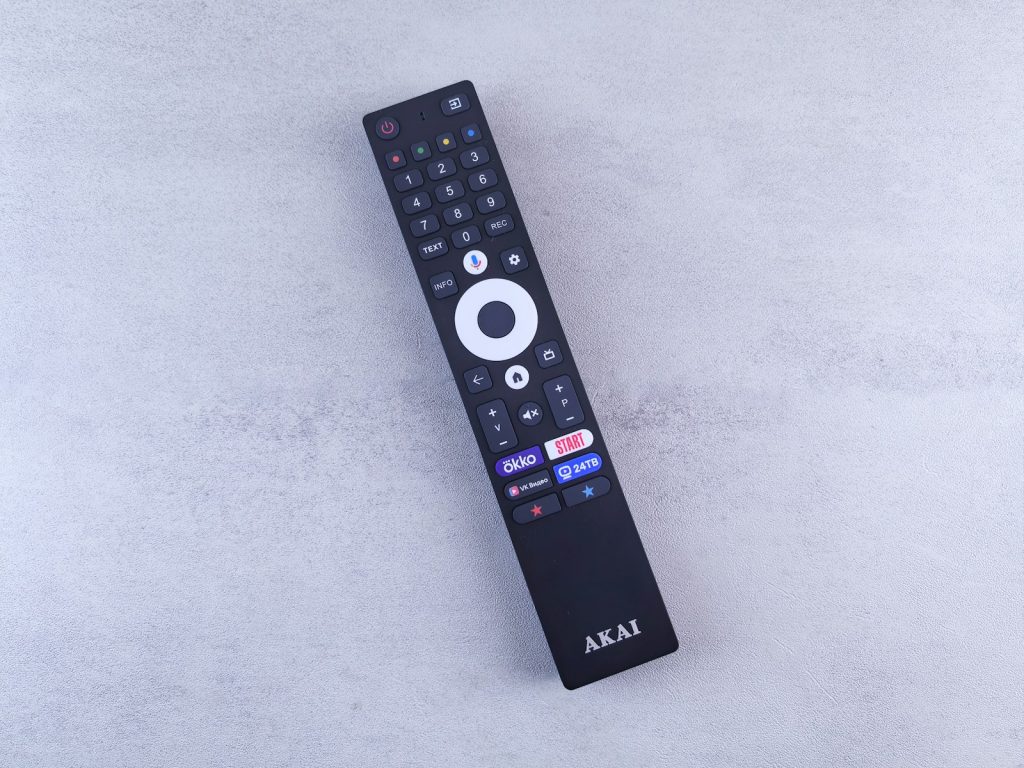
You use your remote control all the time, but it’s one of the dirtiest items in your home. People handle it with unwashed hands, spreading germs without realizing it.
Remotes can carry more bacteria than a toilet seat because they’re touched by many people throughout the day. Yet, they are often forgotten during cleaning.
To keep yours clean, remove the batteries before wiping it down with a gentle solution. Use a microfiber cloth and avoid harsh chemicals to protect the buttons. Regular cleaning helps keep your remote both hygienic and working smoothly.
Shower loofahs
You might think your shower loofah is a clean tool, but it can actually harbor bacteria and mold. Because it stays damp, it creates a perfect environment for germs to grow.
If you use a loofah, make sure to let it dry completely between uses. Replacing it every few weeks helps keep things sanitary.
Consider switching to alternatives like silicone scrubbers or washable cloths. These options are easier to clean and can reduce the risk of bacteria buildup.
Coffee makers
Your coffee maker might look clean, but it often hides mineral buildup, oils, and bacteria. These residues can affect the taste of your coffee and the machine’s performance.
You should remove old coffee grounds and filters regularly. Running a mixture of equal parts white vinegar and water through your machine helps break down deposits inside.
Cleaning your coffee maker often keeps it working well and your coffee tasting fresh. Check your manufacturer’s instructions for specific cleaning tips.
Phone screens
Your phone screen gets touched constantly, making it a magnet for dirt, oil, and germs. Even if it looks clean, there are invisible germs hiding on the surface.
Using a soft microfiber cloth and a safe cleaning solution helps remove grime without damaging your screen. Avoid harsh cleaners or household products, as they can cause harm.
If you use your phone often with messy hands, consider wiping it more frequently or using a stylus. Keeping your screen clean helps protect both your device and your health.
Baseboards
You might not notice, but baseboards collect dust, dirt, and scuff marks faster than you think. They often get overlooked during regular cleaning because they’re low and out of direct sight.
Even if your floors look clean, the baseboards can still hold grime. Regularly wiping them down with a damp cloth or a soft mop helps prevent buildup without much effort.
Using a dedicated baseboard cleaning tool or cotton swabs can help reach tight corners. Keeping up with these small details can freshen the look of your whole room.