


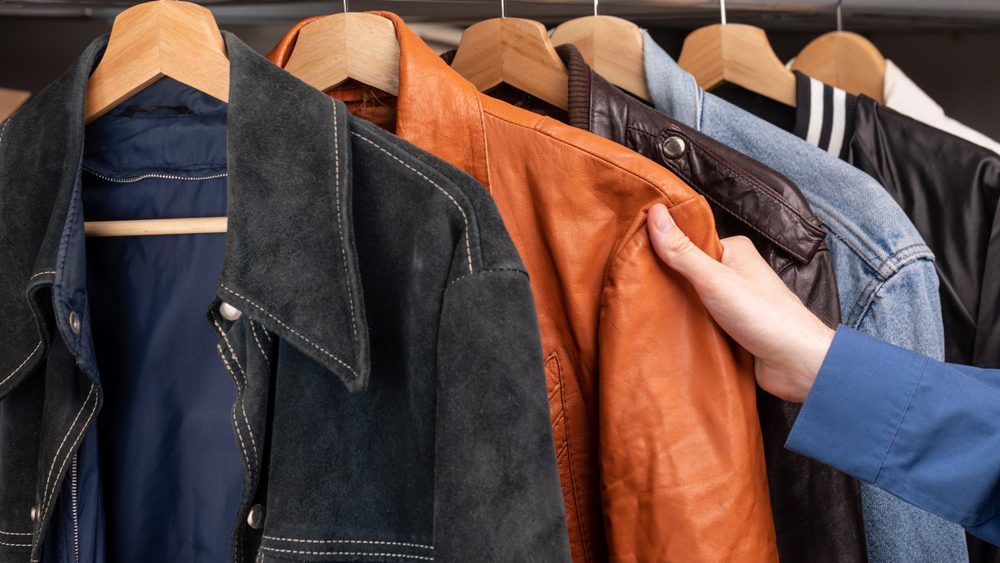
Donating vintage clothing can be a meaningful way to refresh your wardrobe and support others. However, not all vintage items are ready to be donated without a quick check. Knowing which vintage pieces to inspect before donating helps ensure your clothes are appreciated and avoid unnecessary waste.
You want to make sure your vintage clothing is in good condition and suitable for donation. This simple step improves the chances your pieces will find a new home and be enjoyed by someone else. Taking a moment to review certain items can make a big difference.
Check for fabric integrity—no holes or tears
When you’re preparing vintage clothing to donate, take a close look at the fabric. Small holes or tears might seem minor but can affect the garment’s durability and value.
Hold the item up to light to spot tiny pinholes or weak spots, especially in hidden areas like underarms or seams. These details help ensure your donation is in good shape and ready for someone else to enjoy.
Inspect for stains or discoloration carefully
Before donating, take a close look at your vintage clothing for any stains or discoloration. Pay special attention to areas like collars, cuffs, and underarms where stains often appear.
Identify different types of stains, as some may require specific care or professional cleaning. Yellowing or discoloration can happen from age or improper storage.
If you spot any marks, treat them gently with mild detergent or spot cleaners suited for delicate fabrics. Avoid heat on protein or oil stains, as it can make them permanent.
Assess vintage leather jackets for cracks or dryness
When you check a vintage leather jacket, look closely for any signs of dryness. Dry leather feels stiff and may appear lighter or flaky in some areas.
Cracks usually develop when leather isn’t properly conditioned over time. You want to spot these early to avoid further damage.
If the leather looks dry but isn’t cracked yet, it’s a good idea to treat it with a quality leather conditioner. This will keep your jacket soft and extend its life before donating.
Verify zippers and buttons are functional
Before donating, take a moment to check all the zippers on your vintage clothes. Make sure they slide smoothly and don’t get stuck or separate. Broken or missing zippers can make the item hard to use or sell.
Buttons should be firmly attached and not cracked or chipped. Test each one by fastening and unfastening it. If any are loose, missing, or damaged, consider sewing them back on or replacing them if you can.
Functional hardware helps your vintage clothing stay wearable and valuable for others. This small step makes a big difference when donating.
Look for fading or sun damage on delicate prints
Check your vintage pieces carefully for signs of fading or sun damage. Delicate prints often lose their color intensity when exposed to sunlight over time.
Even uneven or patchy fading can signal that the fabric has been affected. This can weaken fibers and make the garment more fragile.
If you spot sun damage, consider fixing small areas with gentle methods like re-dyeing or covering spots with tie-dye techniques. Protect your clothes by storing them away from direct light to keep prints vibrant longer.
Examine seams for loose threads or repairs
Take a close look at the seams of your vintage clothing. Loose threads or small tears can mean the garment needs some fixing before donation.
If you spot a loose thread, you can carefully stitch it back following the original seam. This helps keep the piece looking neat and sturdy.
Repairs you don’t catch might cause more damage during handling. Spending a little time checking seams can make a big difference for whoever receives your vintage item.