

Vintage glassware is one of the most forgiving categories of collectibles to get wrong. A single careless habit, formed with the best intentions, can quietly turn a potentially valuable piece into something worth little more than its shelf space.
If you’ve inherited or collected vintage glass, these six common mistakes are worth avoiding before you clean out a cabinet or box things up for donation.

Running Everything Through the Dishwasher
Vintage glass, especially pressed and Depression-era glass, was made using different manufacturing techniques than modern tempered glassware, and it doesn’t always tolerate the heat, pressure, and harsh detergents of a dishwasher cycle. Repeated dishwasher use can dull the glass’s surface, causing a cloudy film that’s often permanent and immediately recognizable to buyers and appraisers. Hand-washing with mild soap and lukewarm water preserves both the shine and the structural integrity of older glass, and it’s a simple habit switch that protects value you might not even realize you have.
Assuming Color Alone Signals Value
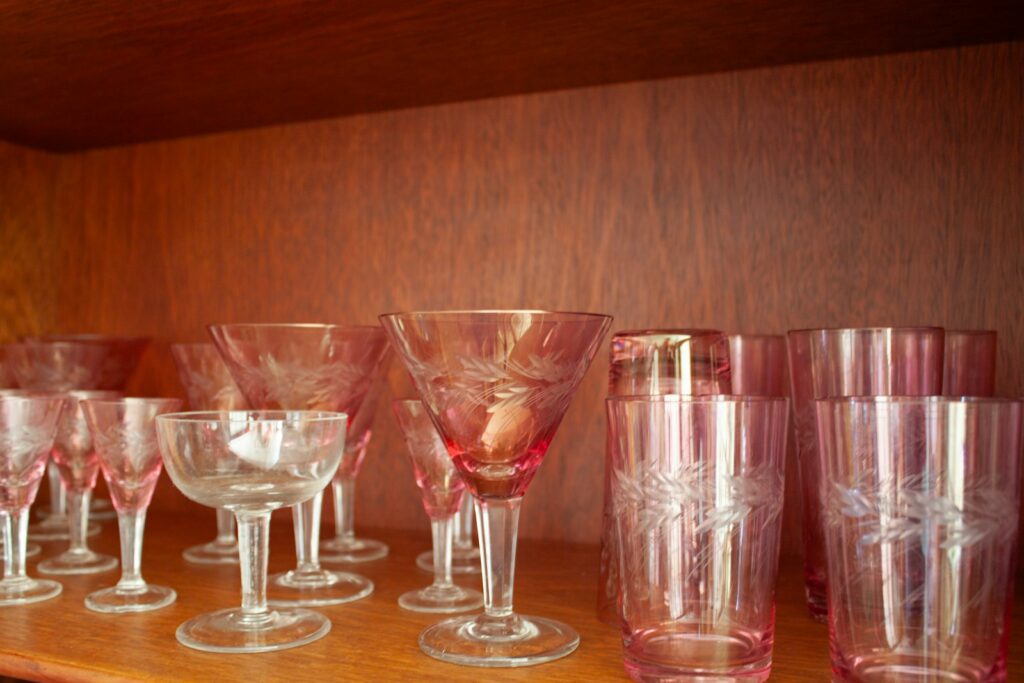
It’s a common shortcut to assume that pink or green glass automatically means valuable Depression glass, but color is only one identifying factor among many, including pattern, maker, and specific piece shape. Some colors were reproduced for decades after their original run, meaning a pink dish could be a common recent piece rather than an original from the 1930s. Learning to identify specific patterns by their molded design, rather than relying on color alone, prevents both overvaluing common pieces and, just as importantly, underestimating genuinely rare ones.
Not Checking for Reproductions
Depression glass in particular has been reproduced for decades, sometimes using the exact original molds, which makes distinguishing an authentic vintage piece from a later reproduction genuinely tricky without doing some homework, according to glass collecting guides. Subtle differences in color saturation, glass thickness, and mold seam sharpness can indicate a reproduction. Comparing a piece against verified reference photos before assuming it’s an original vintage find, or before pricing it as one, prevents an embarrassing and costly mistake either way.
Breaking Up Matched Sets
When sorting through a large collection, it’s tempting to keep a few favorite pieces and donate or sell off the rest individually. But a complete, matched set of glassware, particularly one that includes serving pieces alongside place settings, is almost always worth more sold or kept together than the sum of its parts. Before separating pieces, take inventory of the full set and research whether it’s complete, since a matched set missing only one or two pieces can often still command a premium over scattered individual items.
Storing Glass Without Padding
Chips and scratches happen easily when glass pieces are stacked directly on top of each other or tossed loosely into a moving box. Even small, nearly invisible chips along a rim or base can meaningfully reduce a piece’s value to a serious collector, who often inspects edges closely under good light before buying. Wrapping each piece individually in soft paper or cloth, and storing bowls and plates on their sides rather than stacked, protects both display quality and resale value over time.
Cleaning With Harsh Abrasives
Reaching for a scouring pad or abrasive cleaner on stubborn residue can permanently scratch a glass surface, and those scratches are far more visible and value-reducing than the original stain or cloudiness ever was. Vintage glass, particularly pieces with etched or pressed patterns, is especially vulnerable to this kind of damage since abrasives can wear down fine pattern details over time. A soft cloth, warm water, and patience — sometimes with a gentle soak — handle most residue without risking permanent damage to a piece’s surface or pattern.