


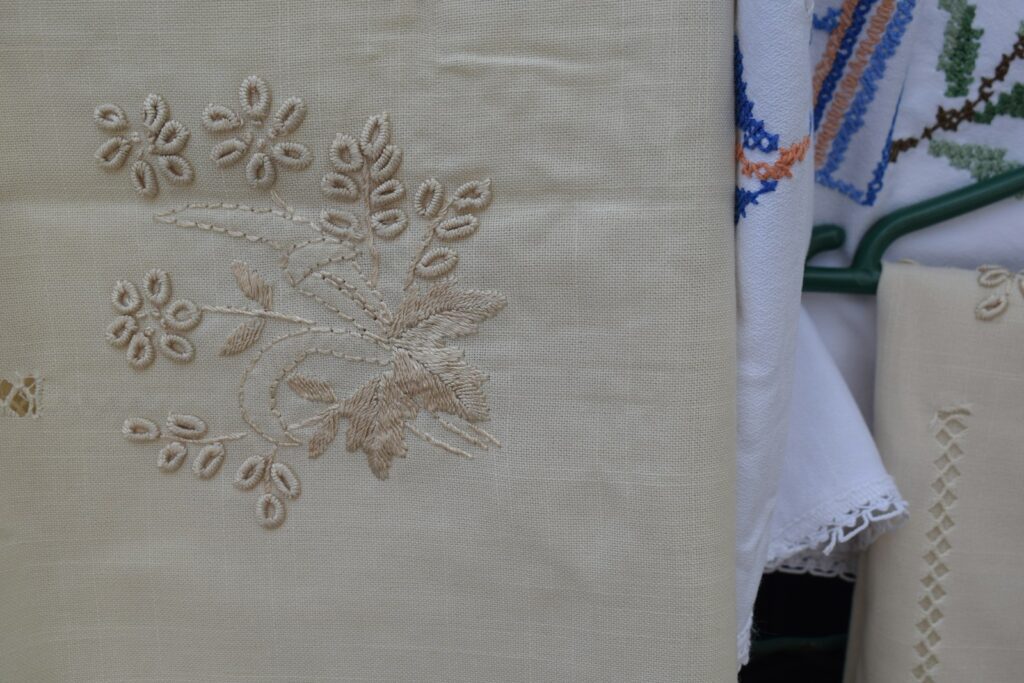
Old linens are one of the easiest household items to demote to rag status without a second thought. Stained tablecloths and yellowed pillowcases don’t exactly look like collectibles, and cutting them up for cleaning cloths feels like the practical choice.
But certain vintage textiles are genuinely sought after, and cutting into the wrong piece can mean destroying something worth real money. Check for these six categories first.

Hand-Embroidered Tablecloths
Tablecloths and runners with intricate embroidered florals or scenework, especially those with visibly hand-done stitching rather than perfectly uniform machine work, appeal to collectors who focus specifically on needlework and textile history. Look closely at the stitches themselves; slight irregularities and the texture of hand embroidery differ noticeably from the flat, consistent look of machine embroidery. Stains can sometimes be treated, so it’s worth researching a piece’s potential value before deciding a stain makes it unsalvageable.
Tatted and Crocheted Lace Doilies
Delicate lace doilies made using tatting or fine crochet work represent hours of skilled handwork, and well-preserved examples, especially in unusual patterns or larger sizes, have a dedicated following among textile and lace collectors. Because these pieces are often small and easy to overlook amid other linens, it’s worth setting aside anything with detailed lacework rather than lumping it in with plain hemmed napkins destined for the rag pile.
Monogrammed Linens
Pillowcases, napkins, and handkerchiefs featuring elaborate hand-embroidered monograms were once a hallmark of a well-stocked linen closet, and quality examples remain popular with collectors and decorators who appreciate the craftsmanship. A beautifully rendered monogram, even one that doesn’t match your own family’s initials, can still hold real decorative and resale value, so it’s worth evaluating the embroidery quality rather than assuming an unfamiliar monogram means the piece has no relevance or worth.
Chenille Bedspreads
Textured cotton bedspreads with looped, tufted patterns, often in bold mid-century colors, are a specific and nostalgic textile collecting category. Certain patterns and colorways are considerably harder to find than others, and even well-worn examples with some tuft loss can be valuable to buyers who repurpose them for pillows and home decor projects, according to chenille collecting guides. Check for the density and pattern of the tufting before assuming heavy wear means no remaining value.
Feed Sack Fabric
Cotton feed and flour sacks printed with cheerful patterns were repurposed into clothing and household textiles for decades, and surviving fabric, especially uncut sacks or fabric with a still-visible printed brand name, is genuinely collectible among quilters and vintage textile enthusiasts, according to textile collecting resources. If you come across large, uncut pieces of vintage printed cotton fabric among old linens, it’s worth researching before assuming it’s just scrap material.
Handmade Quilts
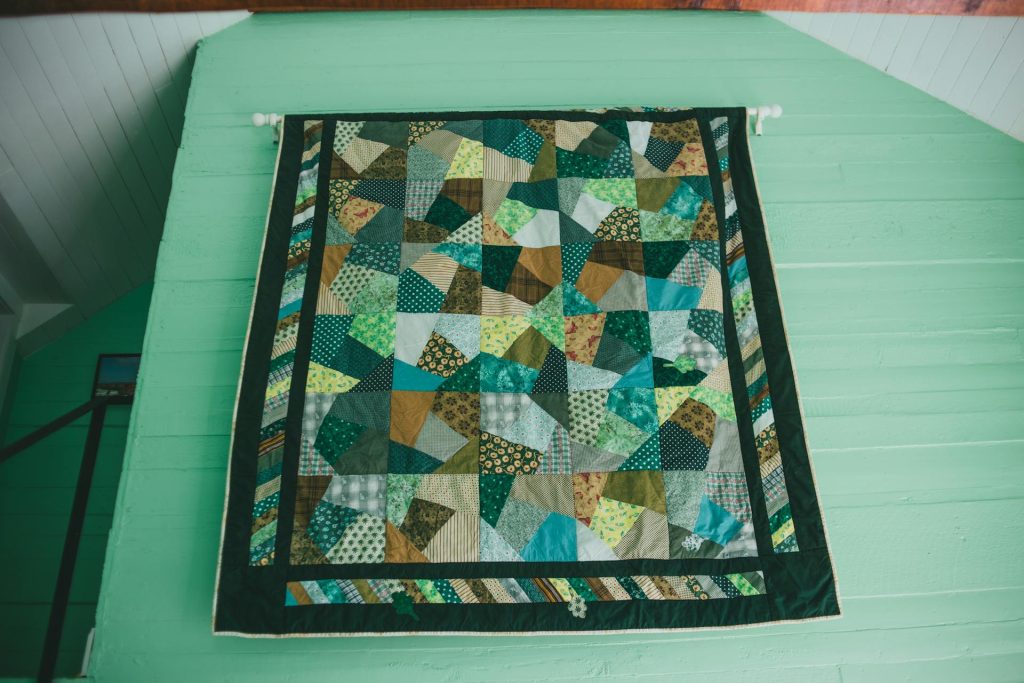
A worn quilt stored away for decades might seem too damaged for anything but rag use, but hand-stitched quilts, particularly those with regional patterns or a maker’s initials worked into a corner, can carry both historical and monetary value even with some wear present, according to textile appraisal experts. Photograph and research any quilt with visible hand-stitching before considering it for anything other than gentle preservation.