


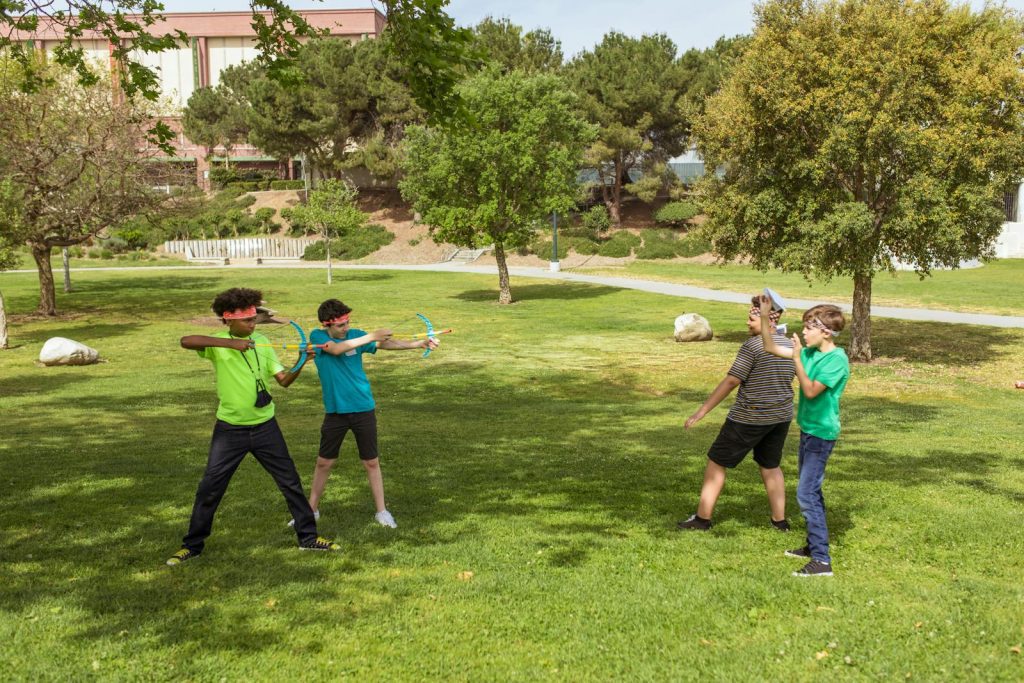
Ah, childhood! A time filled with scraped knees, endless summer days, and the sweet taste of freedom. But let’s be honest: today’s kids aren’t running through the neighborhood like we used to. It’s a different world out there, and while there are certainly benefits to modern parenting, there’s something to be said for the way we grew up. Let’s take a nostalgic stroll down memory lane and explore six ways kids had more freedom back then—and how it might’ve been better for their development.

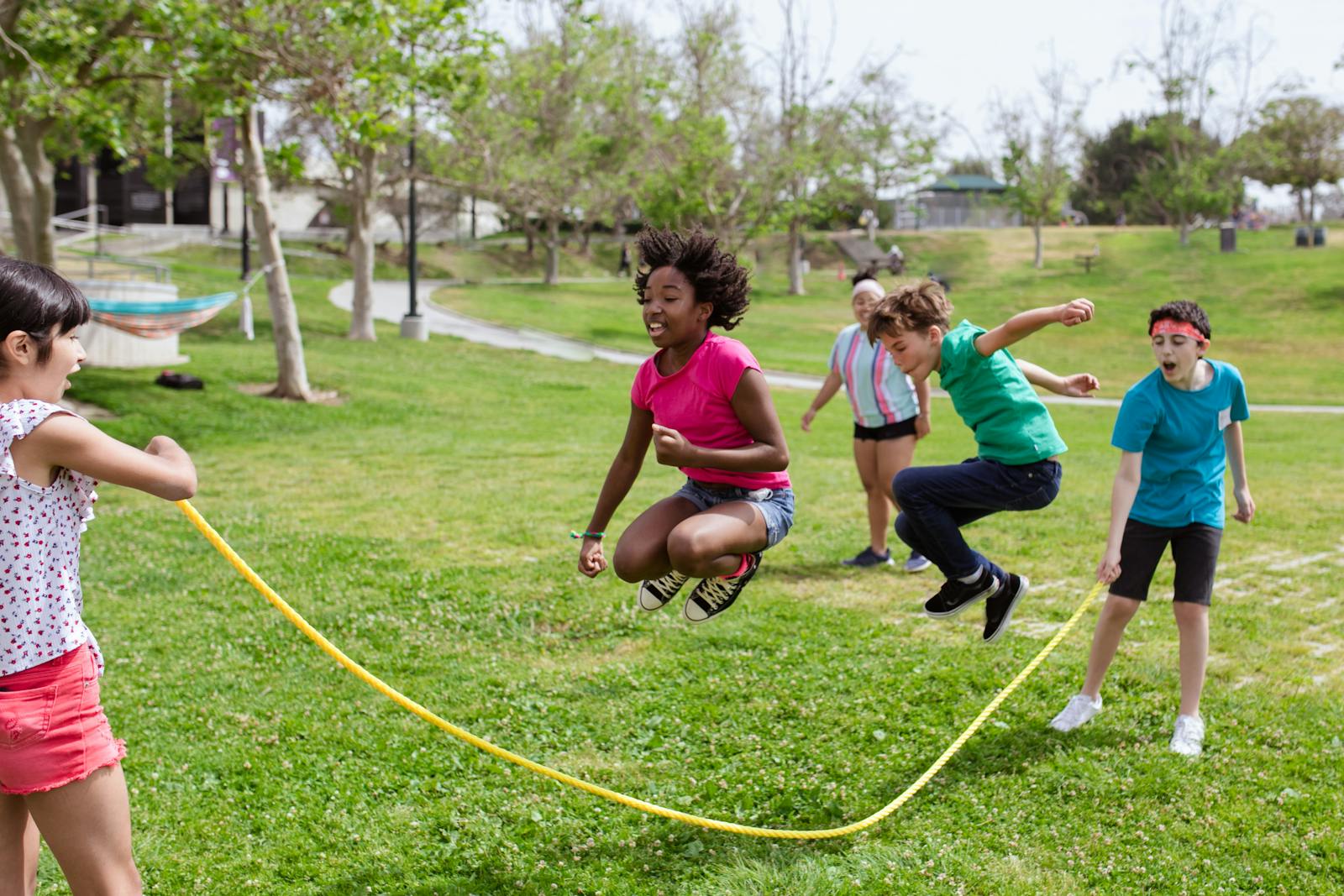
1. The Great Outdoors Were Their Playground
Back in the day, you didn’t need a fancy jungle gym or a structured playdate to have fun. The world was your oyster—or, more accurately, your local park, woods, or empty lot. Kids would grab their bikes, head out the door, and the next thing you knew, they were off on an adventure. No GPS tracking, no constant check-ins, just a healthy dose of imagination and a knack for exploration.
Today, the great outdoors often feels like a forgotten realm. With video games and digital distractions at our fingertips, many kids miss out on the simple joy of climbing trees or building forts out of sticks. It’s hard to beat the thrill of finding a secret spot in the woods, right? That kind of unstructured play fosters creativity and independence—something every kid could use a bit more of.
2. Chores Built Character
Remember when doing chores felt like an epic rite of passage? Mowing the lawn, washing the dishes, or even helping with laundry wasn’t just about getting stuff done; it was part of growing up. Kids learned responsibility and the value of hard work, all while feeling like they were “in the club” of adulthood.
Today, there’s a trend of sheltering kids from chores, often because parents want to give them a break. Yet, those little tasks are more than just busywork; they teach life skills and the importance of contributing to the family unit. Plus, they can be a great bonding time. Who knew folding laundry could lead to belly laughs and great conversations?
3. The Art of Boredom
In our childhood, boredom was practically a rite of passage. With no streaming services or smartphones, kids had to get creative to entertain themselves. Whether it was inventing games, doodling in notebooks, or simply staring at the ceiling (don’t laugh, it’s a classic!), that downtime sparked creativity.
Today, it seems like kids are rarely bored. Every moment is filled with activities, screens, or structured schedules. While it’s great to have options, too much stimulation can stifle imagination. Let’s face it: some of the best ideas come when you’re left to your own devices—like building a spaceship out of cardboard boxes. Talk about a confidence booster!
4. Friends Were Just a Door Knock Away
Back in the day, if you wanted to hang out with a friend, you just knocked on their door and hoped they were home. No texting, no pre-planning—just a spontaneous call for adventure. This built social skills like no other; kids learned to navigate friendships face-to-face, deal with rejection, and problem-solve on the fly.
Now, with social media and texting, it’s easy to communicate, but it often lacks that genuine connection. Kids might have hundreds of “friends” online, but how many are true pals? That face-to-face interaction helps develop empathy and emotional intelligence, which are crucial for forming lasting relationships later in life.
5. A Sense of Community
Growing up, neighborhoods felt like a big family. You’d say hi to neighbors, get cookies from the old lady down the street, or join in on block parties without a second thought. This sense of community provided a safety net and support system that kids today often miss out on.
With the rise of technology and busy schedules, many kids don’t have the same connection to their neighborhood. It’s important to foster that sense of belonging, as it can lead to healthier relationships and a feeling of security. Plus, who doesn’t love the smell of freshly baked cookies, right? Let’s bring back that neighborhood charm!
6. Freedom to Fail
Last but not least, kids back then had the freedom to fail—and learn from it. Whether it was falling off a bike or getting a bad grade, those bumps in the road were part of growing up. Failure wasn’t something to be feared; it was a teacher.