


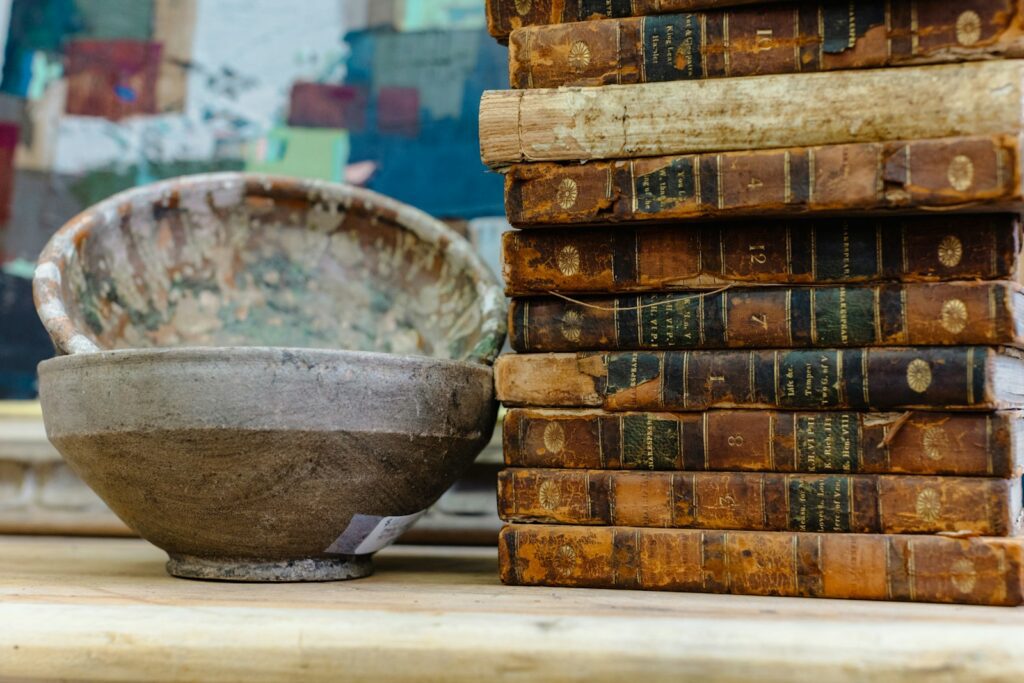
You probably have a stack of old kitchen books hiding in a cupboard, and some of them could be quietly worth a lot more than you think. This article shows which seven antique cookbooks collectors actively seek and why those particular editions can command high prices.
Flip through the histories behind classic titles and learn how rarity, condition, and cultural importance drive value so you can spot promising finds at estate sales, thrift stores, or in your own home.
The Joy of Cooking (first edition)
If you own a first edition of The Joy of Cooking, you’re holding a piece of American culinary history. Early printings from 1931 can fetch thousands, especially if the book is intact and the dust jacket survives.
Condition and provenance matter: signed copies or those with family stories sell for more. Check listings for comparable sales like the ones discussed in this Country Living roundup of valuable cookbooks.
Betty Crocker’s Picture Cook Book (1931)
You’ll find early Betty Crocker manuals prized for their role in shaping home cooking.
First editions from the 1930s can be collectible, especially with intact covers and minimal foxing.
Expect straightforward recipes and period-specific tips that show how cooking standards evolved.
Collectors value provenance and condition over flashy features, so your copy’s dust jacket and bindings matter.
Look for listings on marketplaces and specialist booksellers to compare prices.
A well-preserved 1931 edition can attract serious interest from cookbook collectors.
Mastering the Art of French Cooking by Julia Child (first edition)

You’ll want a first edition of Julia Child’s Mastering the Art of French Cooking for its cultural weight and detailed, tested recipes.
Published in 1961, this volume made French technique accessible to American kitchens and helped launch Child’s public career.
Collectors pay premiums for signed or pristine copies; condition and provenance matter more than print run.
Find copies and market listings through specialist sellers and marketplaces, like the first-edition listings on AbeBooks.
The White House Cook Book by F.L. Gillette (original edition)
You’ll find this 1887 household compendium interesting if you collect historic cookbooks.
It mixes recipes, etiquette, and household tips used in presidential households, and early printings in good condition command strong collector interest.
Check detailed listings and scans like the full text at Project Gutenberg before buying to verify edition and condition.
The Boston Cooking-School Cook Book by Fannie Merritt Farmer (1896)
You’ll recognize this as a milestone in American cookery for bringing precise measurements into everyday recipes.
Collectors prize early editions for their historical importance and complete, sometimes annotated, pages.
A first printing from 1896 can command high prices when in good condition.
Look for intact binding, original covers, and any owner inscriptions that might increase value.
Check a digitized copy at the Smithsonian Libraries to compare texts and editions.
Modern Cookery for Private Families by Eliza Acton
You’ll recognize Eliza Acton’s 1845 Modern Cookery as one of the first cookbooks aimed at home cooks rather than professionals.
Its clear ingredient lists, exact quantities, and cooking times set a new standard that collectors prize.
If you’re buying, look for early editions or those with original engravings; condition and completeness drive value.
Interest from collectors and culinary historians keeps demand steady, so good copies can fetch high prices at auction or rare-book dealers.
For more detail on editions and history, see Modern Cookery for Private Families.
The Settlement Cook Book by Lizzie Black Kander (early edition)
You’ll recognize this 1901 compilation as a practical household guide that helped immigrant families adapt to American cooking. Collectors prize early editions for their historical context and handwritten corrections found in some copies.
Look for original bindings, early print runs, and inscriptions that tie a copy to Milwaukee’s settlement movement. Copies with dust jackets or provenance tied to Lizzie Kander’s cooking classes command higher interest among buyers.
A readable early edition with intact plates can still fetch strong prices at specialized auctions.
More from Decluttering Mom: