



Holiday lights look magical until the cords crash the party. Instead of letting wires snake across floors and lawns, homeowners can borrow a few pro tricks to keep everything tidy. With a mix of real estate styling tactics, outdoor design ideas, and cordless tech, it is surprisingly easy to hide cords from holiday lights and keep the focus on the glow, not the clutter.


1. Employ Real Estate Agent Cord Concealment Techniques
Employ Real Estate Agent Cord Concealment Techniques by treating holiday lights the same way staging pros treat TV cables. Before a showing, agents rely on simple tricks like routing cords behind furniture, tucking them along baseboards, and disguising them with decor, as detailed in advice on how real estate agents hide cords. The same approach works for string lights on mantels, stair rails, or entry tables, where cords can disappear behind garlands, stockings, or framed photos.
Instead of letting a plug dangle under the tree, a homeowner can run it behind the trunk, hook it to the back of a console, or drop it into a basket that also holds wrapped gifts. These small moves matter for safety and resale value, since visible cords can read as messy and even raise questions about overloaded outlets. Borrowing staging habits keeps holiday setups looking intentional, which is exactly how agents want buyers to feel when they walk in.
2. Integrate Outdoor Holiday Light Arrangements
Integrate Outdoor Holiday Light Arrangements by planning the display around the landscape so cords have natural hiding spots. Ideas for outdoor holiday lights, such as wrapping trunks, outlining rooflines, and clustering lights on shrubs, are easier to pull off cleanly when cords follow existing lines in the yard, as shown in guides to outdoor Christmas decorations. Running wires along fence rails, under mulch, or behind hedges keeps the eye on the sparkle instead of the hardware.
Homeowners can also use garden elements like trellises, planters, and low retaining walls as cord corridors. When a string needs to cross open ground, a shallow trench in soil or a strip tucked under a doormat can keep it out of sight and out of the way. This kind of planning does more than look good, it reduces tripping hazards for guests walking up the path and helps protect cords from lawn tools or pets that might chew exposed lines.
3. Opt for Cordless Lighting Alternatives

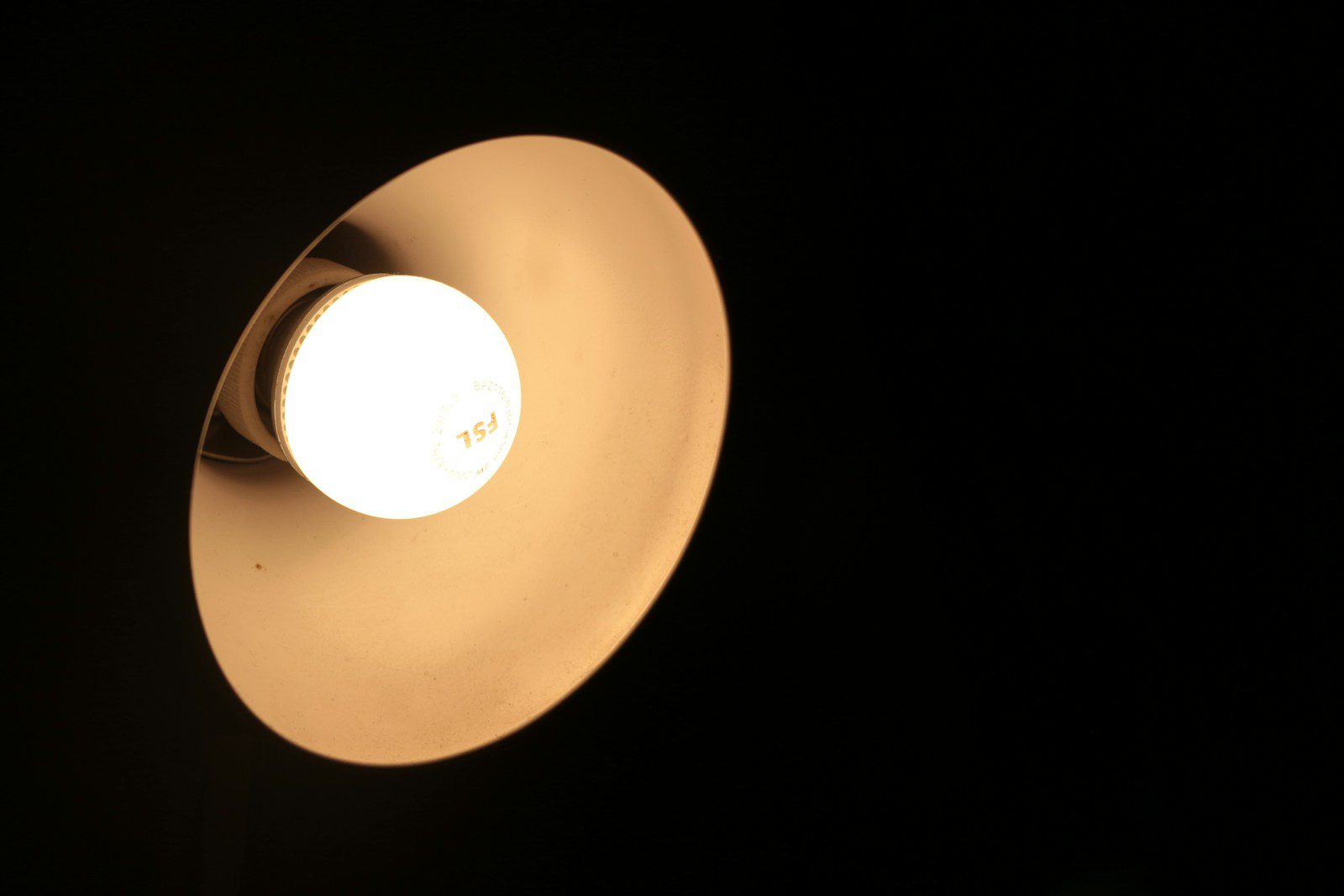
Opt for Cordless Lighting Alternatives when hiding cords is nearly impossible, such as on stair garlands, wreaths, or high shelves. Portable fixtures, puck lights, and battery-powered string lights are designed to add illumination without any wiring, as shown in step by step ideas for adding lighting without cords. Swapping a few plug-in strands for battery packs instantly erases the mess of extension cords snaking toward a single outlet.
These cordless options are especially useful in rentals or older homes where outlets are scarce and drilling is not an option. They also give homeowners more freedom to highlight architectural details, like window frames or built-in shelves, that would otherwise be out of reach. The tradeoff is battery management, but rechargeable packs and timers can stretch run time and cut waste. For anyone worried about overloading circuits during peak holiday use, cordless lighting quietly lowers the electrical load while keeping the festive mood high.
4. Secure Cords Against Winter Elements
Secure Cords Against Winter Elements by treating them like any other outdoor system that needs storm prep. Advice on getting a house ready for extreme weather stresses bundling and shielding vulnerable lines so they are not damaged by ice, wind, or heavy snow, a principle that applies directly to holiday wiring in guides to winter storm preparation. When cords are anchored with clips, stakes, or cable ties, they stay low and less visible while also staying safer.
Homeowners can run cords through weatherproof covers, elevate connections on bricks or cord boxes, and avoid low spots where meltwater pools. This kind of planning protects both the display and the home’s electrical system, since damaged insulation or wet plugs can lead to shorts or outages at the worst time. By thinking like a storm planner, a homeowner keeps cords tucked away under eaves or along protected walls, which naturally hides them and reduces the risk of last minute repairs in freezing conditions.
5. Cover Unsightly Home Features Including Cords
Cover Unsightly Home Features Including Cords by treating them like any other visual eyesore. Creative fixes that hide radiators, utility panels, or awkward vents often rely on fabric skirts, folding screens, or slim panels, as shown in roundups of genius solutions to hide ugly parts of a home. The same tricks work for clusters of plugs and surge protectors that pile up near a tree or media console during the holidays.
A simple canvas curtain on a tension rod can conceal a power strip under a console table, while a decorative box with a cutout in the back can corral extra slack. For larger tangles, a freestanding panel or bookcase can block the view without blocking airflow or access. These disguises matter for anyone photographing their home for listings or social media, since cords can instantly date a space. By folding cord control into broader styling, homeowners keep the focus on greenery, ornaments, and architecture instead of the hardware that makes it all glow.
6. Install Wireless Fixtures for Festive Glow
Install Wireless Fixtures for Festive Glow by leaning into solar and remote controlled options that skip traditional wiring altogether. The same technology that powers stick on sconces and motion lights can support solar path markers, wireless window candles, and remote controlled lanterns, expanding on the cordless ideas in guides that show how to add lighting without wires. Once installed, these fixtures create a holiday ready backdrop that needs no visible extension cords.
Solar stakes along a driveway or walkway can charge during the day and flick on automatically at dusk, framing the house for guests without a single plug. Indoors, wireless candles in windows or on mantels avoid dangling cords that could catch on curtains or stockings. This shift to wireless is not just about aesthetics, it reflects a broader move toward flexible, low impact lighting that can be rearranged season to season without calling an electrician or buying more hardware.
7. Blend Lights into Backyard Projects
Blend Lights into Backyard Projects by building cord paths into the structures that already shape the yard. Ideas for outdoor holiday displays often overlap with longer term backyard upgrades, like pergolas, deck railings, and garden beds, which naturally hide wiring when lights are woven through them, as shown in inspiration for backyard projects with holiday lights. When cords run inside pergola beams or under deck boards, the only thing visible is the glow.
Homeowners planning a new trellis, arbor, or raised bed can include small gaps or conduits for future light strings, turning seasonal decor into a built in feature. Even simple projects, like adding a lattice panel or bench, create places to snake cords behind solid surfaces. Over time, this approach turns a temporary tangle of wires into a permanent, flexible lighting system that looks intentional in December and still works for summer dinners or backyard parties.
More from Decluttering Mom: