



We all have that one habit we’re weirdly proud of — the thing we do to save a few bucks that makes us feel like a savvy homemaker. Maybe it’s refusing to replace the ancient fridge that hums like a small aircraft, or hand-washing dishes because “the dishwasher is expensive to run.” It feels responsible. It feels frugal. And sometimes, it’s quietly draining more money out of your wallet than the thing you’re avoiding ever would.
The truth is that plenty of habits marketed — or self-marketed — as money-saving are actually just deferred spending with interest. Here are seven so-called frugal moves that tend to backfire, and why it might be time to let them go.

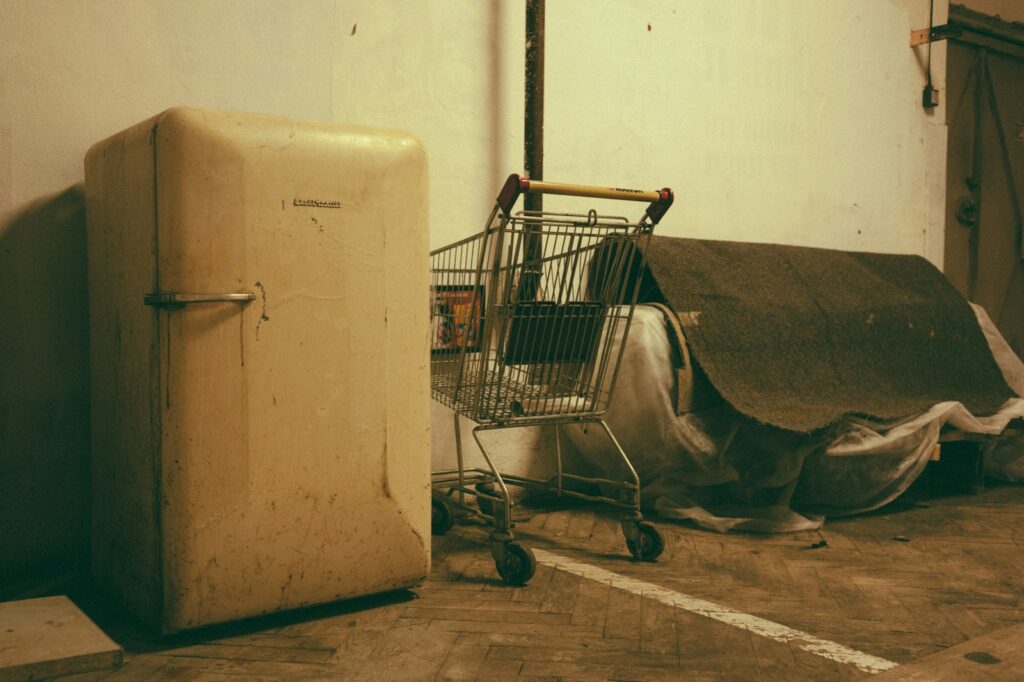
Keeping an Ancient Refrigerator Running “Because It Still Works”
There’s a certain pride in a fridge that’s outlived three of your relationships and two presidential administrations. But an old refrigerator isn’t just a nostalgic kitchen fixture — it’s a slow financial leak. Older models simply aren’t built with the insulation, compressors, or sensors that newer ones use to sip electricity instead of guzzling it, and that gap widens every year the appliance ages and its seals wear down. According to ENERGY STAR, upgrading an older refrigerator to a certified efficient model can meaningfully cut the energy it takes to keep your leftovers cold. Add in the higher odds of a costly repair or a spoiled-groceries disaster when an old unit finally fails, and “saving money” by keeping it starts to look like the opposite.
Flushing Money Down an Old, Water-Hungry Toilet
If your toilet was installed before the mid-1990s, it’s probably using far more water per flush than anything sold today, and you’re paying for every gallon whether you notice or not. The EPA’s WaterSense program notes that older, inefficient toilets use significantly more water per flush than current high-efficiency models, and swapping them out is one of the simplest ways households cut water bills. Keeping the old one because replacing it feels like an unnecessary expense means you’re choosing a small, invisible cost today over noticeable savings for the next decade.
Buying the Cheapest Version of Everything, Every Time
There’s smart frugality, and then there’s the kind where you buy a $12 can opener four times in two years instead of spending $25 once. Cookware, vacuum cleaners, kids’ backpacks, garden hoses — the bargain-bin version often has a lifespan measured in months, not years. That’s not frugality, it’s a subscription you didn’t sign up for. The “buy it once” mentality isn’t about always buying expensive; it’s about matching the price to how hard and how often the thing gets used, so you’re not restocking the same drawer every single year.
Letting Small Repairs Wait Until They Become Big Ones
A slow drip under the sink, a wobbly deck board, a furnace making a new and interesting noise — these are the kinds of problems that feel skippable because they’re not urgent yet. But water damage spreads, structural issues compound, and mechanical parts under strain tend to take their neighbors down with them. The $40 fix you put off in spring has a funny habit of becoming the $400 fix by fall, and by winter it’s $1,200 and someone’s crying in the laundry room.
Stockpiling Bulk Perishables You Won’t Actually Use in Time
Bulk warehouse stores are a genuine money-saver for shelf-stable goods, but perishables are a different math problem entirely. That five-pound bag of spinach or family-size tray of berries only saves you money if it gets eaten before it turns to mush in the crisper drawer. Otherwise, you’ve just pre-paid for your own compost. Bulk buying pays off when you have a real plan — and a real timeline — for using it, not just when the per-ounce price looks good in the store.
Skipping HVAC Filter Changes to Save a Few Dollars a Month
A clogged air filter doesn’t just mean dustier air — it forces your heating and cooling system to work harder to push air through, which drives up energy use and shortens the system’s lifespan. Skipping a $15 filter change to “save money” is one of the more ironic entries on this list, because the eventual repair or early replacement of the whole unit costs exponentially more than a stack of filters ever would. It’s a rare case where the cheap habit and the expensive one are, unfortunately, the exact same decision.
DIYing Repairs That Are Genuinely Outside Your Skill Level
There’s a wonderful, empowering middle ground of home DIY — painting, simple fixture swaps, basic patchwork — and then there’s rewiring an outlet or rerouting plumbing with a YouTube tutorial as your only credential. When a DIY repair goes wrong on something structural, electrical, or related to water, you’re not just paying to fix the original problem anymore; you’re paying to undo the damage from the attempt, plus the professional fee you were trying to avoid in the first place. Knowing where your skill line actually is — and calling someone before you cross it — is its own form of frugality.