


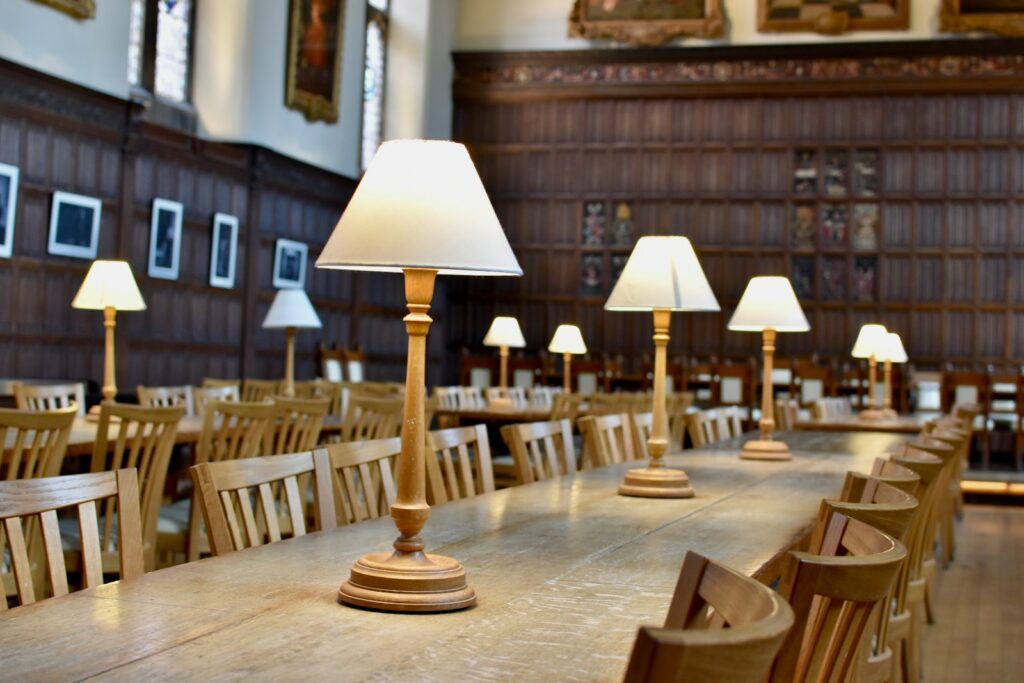
Old lamps have a way of ending up curbside during a cleanout simply because they don’t match anything else in the house anymore. Outdated shades and tarnished bases make them easy to overlook as decor rather than potential collectibles.
But lighting has its own dedicated collector market, and certain vintage lamp styles are worth real money to the right buyer. Check for these seven types before setting a lamp out with the trash.

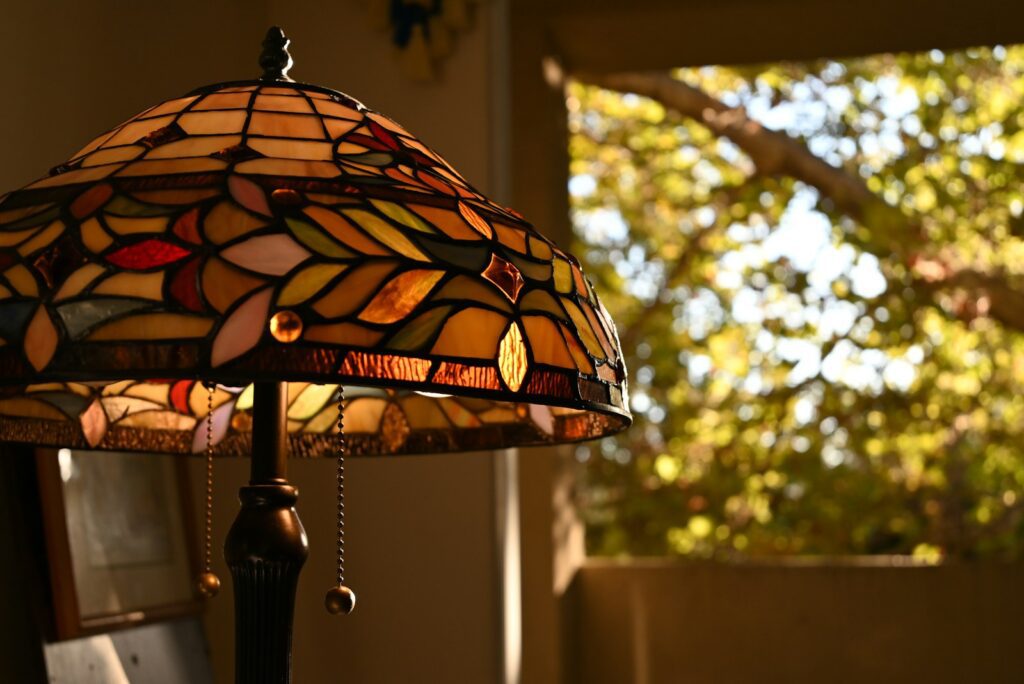
Stained Glass Shade Lamps
A lamp with a colorful, leaded glass shade made of small individual glass pieces deserves careful research before assuming it’s simply a decorative reproduction. Genuine antique leaded glass lamps from the early 20th century can be worth a considerable amount, and even well-made vintage tribute pieces have collector value, though telling the two apart takes a trained eye, according to antique trade publications. Check for a maker’s mark on the base or shade rim, uneven hand-cut glass pieces, and the overall weight of the base, since reproductions often use lighter materials.
Milk Glass Table Lamps
Opaque white glass lamp bases, sometimes with subtle relief patterns like grapes, leaves, or geometric shapes, were popular for decades and are collected today for their soft, cottage-style charm. Because milk glass was produced by many manufacturers over a long period, age and maker both affect value, so it’s worth examining the base for a stamped mark. A lamp with its original wiring intact and a harp and finial matching the era adds to overall desirability.
Mid-Century Atomic and Starburst Lamps
Sculptural lamps with dramatic geometric shapes, fiberglass shades, or a starburst-style design are a defining piece of mid-century modern decor, and interest in this look has grown substantially among collectors and interior designers alike. Original fiberglass or spun acrylic shades in undamaged condition significantly boost a lamp’s appeal, since these materials degrade and yellow over time. A working original socket and cord, or at least an easily restorable one, also matters to buyers focused on functional vintage lighting.
Solid Brass Table and Floor Lamps
Heavy brass lamps, especially those with a substantial, weighted base and classic column or urn shapes, have a lasting appeal that’s kept certain vintage brass lamp lines consistently in demand at estate sales and antique shops. Genuine solid brass will feel notably heavier than a brass-plated or lacquered imitation of similar size. A quick polish test on an inconspicuous spot can also reveal whether the finish is a base metal underneath a thin plating rather than solid brass throughout.
Art Deco Figural Lamps
Lamps featuring sculpted figures, often in a stylized human or animal form integrated into the base, were a hallmark of the Art Deco period and remain popular with collectors who focus specifically on decorative arts from that era. Materials like spelter, a zinc alloy often finished to resemble bronze, are common in these pieces and should be handled carefully since spelter is more brittle than true bronze. A lamp with crisp sculptural detail and an intact original shade, even a plain one, tends to draw the most interest.
Converted Oil and Kerosene Lamps
Glass or metal lamps that were originally designed to burn oil or kerosene before being converted to electricity decades ago are a distinct category from purpose-built electric lamps. Collectors often value the original glass font and burner components even on a converted lamp, so it’s worth checking whether the original hardware survived alongside the newer electrical parts. A lamp with its original chimney glass intact, even if cracked, is generally more desirable than one missing these original components entirely.
Hurricane and Banquet Lamps
Tall lamps with a wide glass base, a narrow stem, and a bulbous glass chimney or shade were a popular decorative lighting style for decades, and certain colored glass and pressed pattern examples remain genuinely collectible. Matching pairs are considerably more desirable than single lamps, since these were traditionally sold and displayed in sets. Checking that both the base and chimney glass are original to each other, rather than mismatched replacements, matters significantly to serious collectors evaluating a pair.