


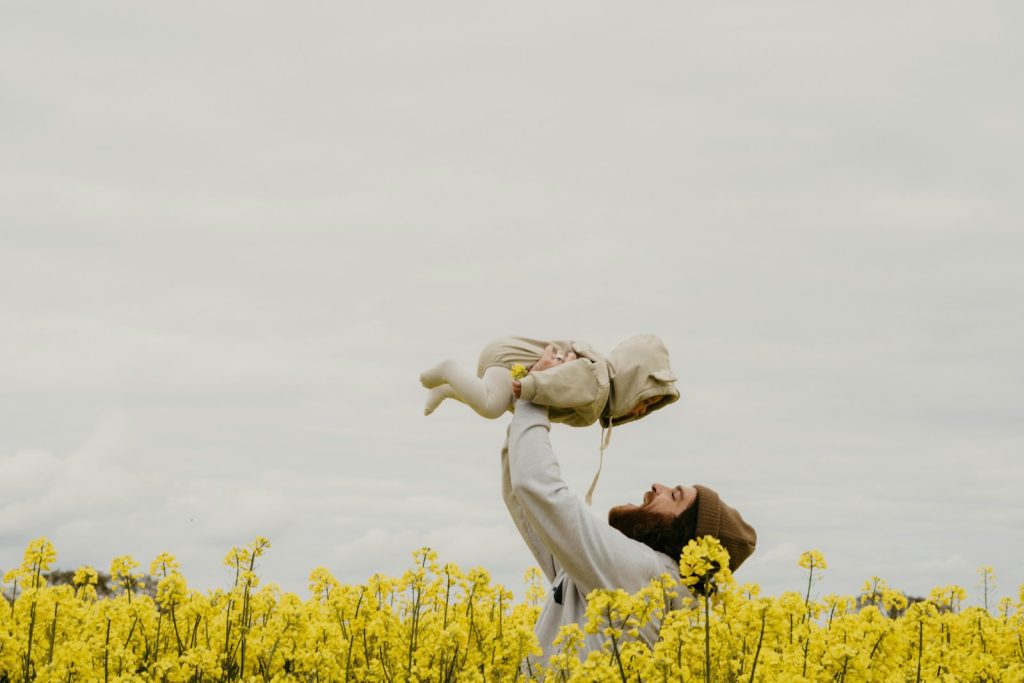
Ah, parenting! It’s like trying to juggle flaming torches while riding a unicycle — a whole lot of fun mixed with a dash of danger. And if you think about it, the language we use in parenting has changed quite a bit over the years. Some phrases that once rolled off our parents’ tongues now sound like they belong in a museum. So, let’s take a lighthearted stroll down memory lane and explore seven parenting phrases from the past that might just land you in the “cancel” zone if you dared to say them today.

1. “Children should be seen and not heard.”
This classic line is probably the granddaddy of outdated parenting phrases. Back in the day, the idea was that kids were to be quiet little observers, not chatty participants. These days, it’s all about encouraging our little ones to express themselves, even if that means their opinions on broccoli can get a bit loud. You might find yourself in hot water if you suggest that kids should keep their thoughts to themselves — just imagine the eye rolls.
2. “Stop crying or I’ll give you something to cry about!”
Ah, the good old “crying threats.” It was like a parental rite of passage to assure kids that their tears were merely an invitation for more drama. Nowadays, though, emotional intelligence is all the rage. Instead of silencing a child’s feelings, we’re encouraged to validate them. So, if you dare to use this phrase, prepare yourself for a lecture on emotional regulation and a few raised eyebrows!
3. “That’s just the way it is.”
In the past, many parents would drop this line like it was a mic at a comedy show. But kids today are asking questions and demanding explanations like mini lawyers in the making. “But why?” is their favorite phrase, and honestly, who can blame them? If you trot out the old “That’s just how it is” line, you might just find yourself on the receiving end of a very passionate debate. Good luck with that!
4. “I’m not your friend; I’m your parent.”
While there’s some truth to this phrase — parents have to set boundaries, after all — it’s not the most inviting sentiment. Today, many parents strive for a balance between authority and friendship. The idea is to build a relationship where kids feel comfortable coming to you with their secrets, fears, and even the latest TikTok trends. If you’re still clinging to this old-school mentality, your kids might roll their eyes and ask, “Then why do you keep liking my posts?”
5. “What will the neighbors think?”
This phrase used to strike fear into the hearts of children everywhere. The idea was to instill a sense of shame and responsibility based on the opinions of others. But these days, parents are more focused on fostering individuality and self-acceptance. If you’re still worried about the neighbors’ judgment, you might want to reconsider your priorities. After all, they’re probably too busy worrying about what you think of their lawn care skills!
6. “Just wait until your father gets home.”
Ah yes, the ominous warning that could send shivers down any child’s spine. This phrase relied on the concept of fear-based discipline, where the mere mention of Dad’s impending arrival was enough to restore order. Thankfully, parenting has shifted toward more constructive forms of discipline that focus on teaching rather than threatening. If you’re still using this line, your kids might just giggle and say, “Good luck with that!”
7. “Because I said so!”
Every child knows this phrase, and it’s often met with a deep sigh and a roll of the eyes. Parents used it as a trump card to end debates and assert authority. But in today’s parenting landscape, reasoning and explanation are key. Kids are curious creatures, and they want to understand the “why” behind the rules. If you drop this line, prepare for a follow-up question that could lead to an unexpected philosophical discussion. Who knew parenting could feel like a TED Talk?
Embracing Change
The world of parenting is constantly evolving, and that’s a good thing! While it’s fun to look back at these phrases with a touch of humor, it’s essential to recognize how far we’ve come. Today’s parents are striving for more empathy, communication, and understanding.