The melamine foam sponge sold as a magic eraser has a loyal following. It lifts scuffs off baseboards, crayon off walls and soap scum off the tub, and it does it with just water. That reputation makes it easy to grab for every mess in the house.
But the same abrasive quality that removes grime can also take off a finish. Family Handyman’s Rachel Brougham ran down the problem in “10 Things You Should Never Do with a Magic Eraser”, updated in May 2024, and Tom’s Guide covered five surfaces to avoid in a March 2023 article. Seven of those ten warnings are about surfaces, and they are listed here.
1. Marble And Granite Countertops Can Lose Their Sealant And Their Shine
Family Handyman (2024) says the abrasive eraser can damage the sealant on stone and make the surface look dull, and advises readers to “avoid using them on delicate countertops such as marble and granite.” Tom’s Guide (2023) adds that it can scratch the surface and strip the protective seal, leaving the stone prone to stains.
A mild soap and a soft cloth are the usual choice for stone, and the manufacturer of your counters can tell you what is safe.
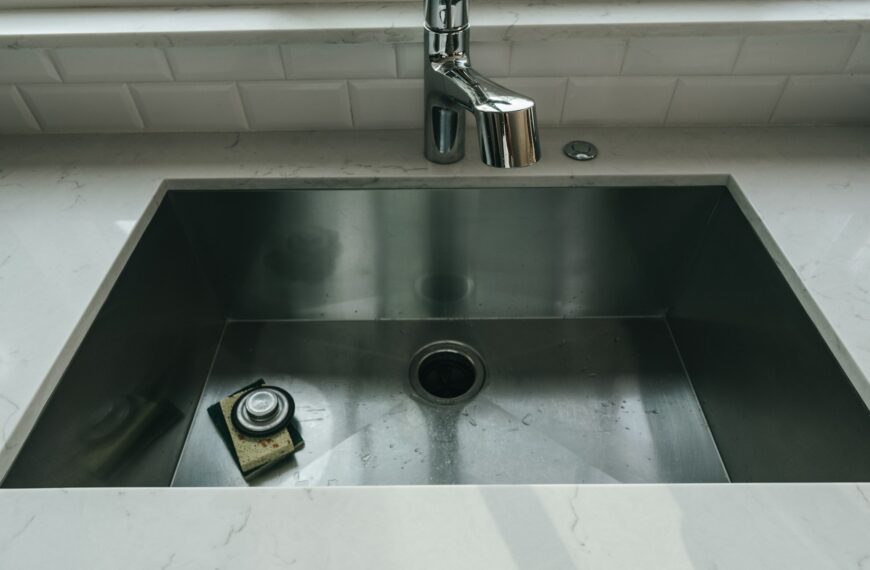
2. Stainless Steel Can Pick Up Scuffs That Dull The High-Gloss Look
Heavy scrubbing can dull the metal, according to Family Handyman (2024), which suggests sanding for scratches. Tom’s Guide (2023) says scrubbing can leave small scratches or scuffs that dull the high-gloss finish.
The fridge door and the dishwasher front are the places most people reach for a quick fix. A soft cloth with warm soapy water, wiped with the grain, is gentler.
3. A Car’s Exterior Is Too Delicate For A Foam Scrubber
The eraser’s abrasiveness can damage paint, Family Handyman (2024) warns, and Tom’s Guide (2023) says it can scratch the protective coating or wax. Both agree that the car’s outside is off limits.
Family Handyman suggests it is fine for cupholders and dashboards, where the surfaces are made for scrubbing.
4. Nonstick Pots And Pans Can Shed Their Coating Into Your Dinner
Scratches can release coating into food. Family Handyman (2024) puts it this way: “some of that coating can get into your food.” Tom’s Guide (2023) says the eraser can damage the coating, making the pan less effective and potentially putting coating particles into food.
A soft sponge and dish soap are all a nonstick pan needs. If the surface is already scratched, many cooks choose to replace it.
5. Collectibles Like Toys And Hand-Me-Down Jewelry Can Be Harmed By The Scrub
Family Handyman (2024) lists collectibles such as toys and hand-me-down jewelry among the items where the eraser risks causing more damage than good.
If an item has sentimental or resale value, a gentle cleaning with a soft brush or cloth is the safer path, and a professional can advise on anything fragile.
6. Finished Wood And Paneling Can Have The Finish Stripped Right Off
The eraser’s abrasiveness can strip the finish from wood paneling and finished wood, Family Handyman (2024) says. Tom’s Guide (2023) agrees that it can strip the glossy finish off finished wood furniture.
That includes the dining table, the dresser and the paneled den walls that many families still have.
7. Glossy Painted Surfaces Can End Up Dull And Patchy
On glossy painted surfaces, the eraser can dull the finish and leave it looking uneven, according to Family Handyman (2024). Tom’s Guide (2023) notes the same risk applies to other glossy painted surfaces.
The wall by the light switch is where most people discover this. A patch that has lost its shine tends to stand out more than the original smudge.
Why A Soft-Looking Sponge Acts Like Fine Sandpaper
The key is in how the product works. Family Handyman (2024) points to the eraser’s microfibers, which lift stains only when you scrub. That scrubbing action is a form of very fine sanding, and on a hard, tough surface it is harmless.
On a surface with a sealant, a wax, a coating or a gloss, the same action wears down that top layer. Once it is gone, it does not come back, and that is why the damage often shows up as dull patches that never wipe clean.
The lesson is to match the tool to the surface. Wipe first with a damp cloth, move to mild soap if the mess stays, and bring in the eraser only on surfaces that can take it.
Three Other No-Go Moves From The Same List
Family Handyman’s list includes more than surfaces. It says dropping a magic eraser in a toilet bowl is “useless,” since its microfibers lift stains only when you scrub. It also says “never use it on bare skin,” because the abrasiveness can cause irritation.
And the final rule is the one that protects all the others: “always do a small spot test before using a Magic Eraser.” Try it on a hidden corner first, use light pressure, and stop if the finish changes. A surface that survives the test is usually fine, and a surface that does not has been saved from a bigger patch of damage.
Keep the eraser for what it does best, like scuffs on flat painted walls, bathtubs and plastic, and reach for gentler tools everywhere else.
More Stories You May Like
- Meal Prep That Backfires Leaves You Throwing Out A Week Of Uneaten Food, So Start Small, Freeze Portions And Cook What Your Family Really Eats
- Etsy Is Testing A Cap That Limits What Some US Buyers Pay For Shipping To $7.99 While Etsy Covers The Difference, And Sellers Still Get The Full Amount
- Someone Says The Doom Basket Where Mail Toys And Mystery Receipts Disappear Is A Coping Method Not A Fix And Shares The Five Minute Timer Trick To Empty It