There’s a particular kind of clutter that comes with love attached, which makes it harder to deal with than ordinary mess. A grown child’s childhood bedroom often stays frozen in time for years after they’ve moved out, holding onto items more out of sentiment and inertia than actual need.
If you’re ready to turn that room into something more useful — or just want to stop dusting around the same untouched shelves — here are seven categories worth revisiting together.
Childhood Toys They’ve Long Outgrown
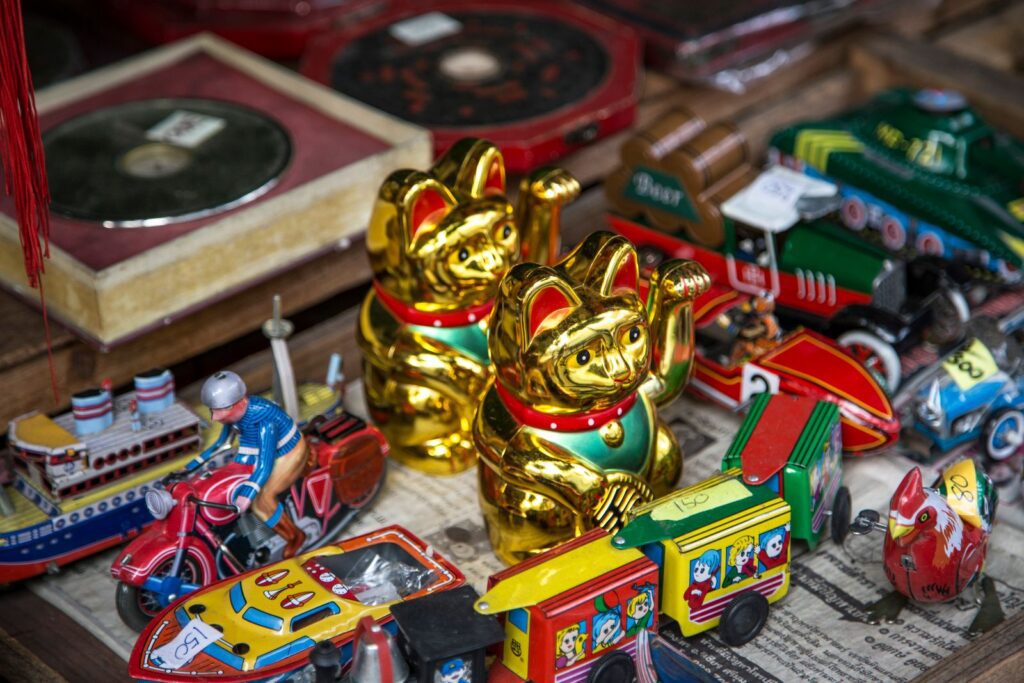
A shelf of toys from the elementary school years often stays in place well into adulthood simply because no one has made the decision to move it. Ask your adult child directly which pieces matter to them, and give the question a deadline so it does not drift for another year. Two or three favorites can go into one labeled bin; the rest can go to a family who could use them now.
Before anything leaves the house, wipe it down, open the battery compartment to check for corrosion, and make sure sets are complete. A puzzle with missing pieces or a board game without its board is trash, not a gift. It is also worth running older toys through the Consumer Product Safety Commission’s recall search, since the agency’s notices often tell owners not to sell or give away an affected product. Donation rules for stuffed animals vary from shop to shop, so call before you load the car.
Old School Papers and Report Cards
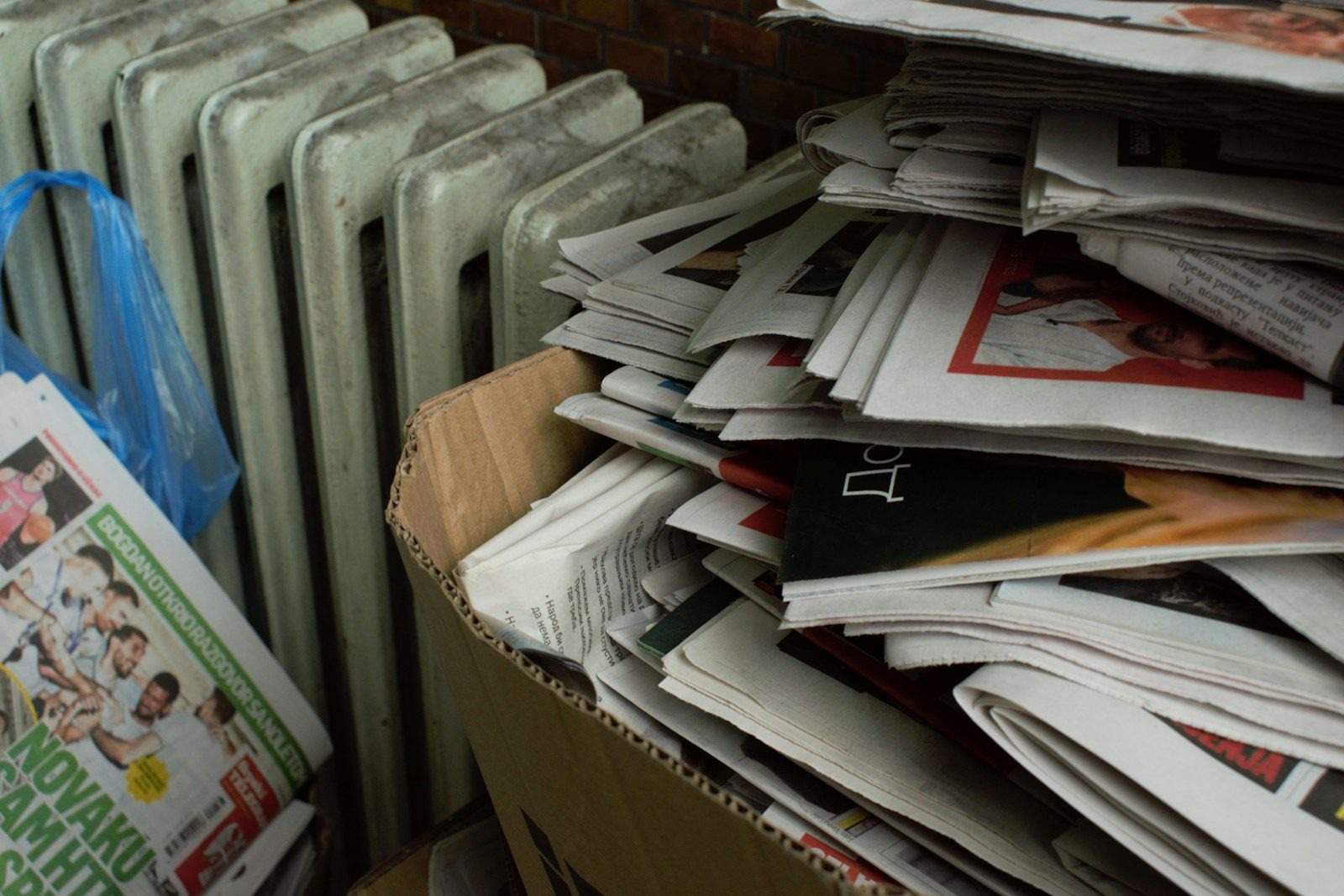
Years of school papers, worksheets, and report cards can pile up into boxes that nobody ever opens. Keep a handful of meaningful items, such as a favorite piece of art, a story they wrote, or a milestone report card, and let the rest go instead of preserving every sheet from more than a decade of schooling.
A workable limit is one folder per school stage: elementary, middle, and high school. Anything that does not fit in the folder gets photographed or scanned and then recycled. Oversized art projects photograph well, and a picture of your child holding the project means more than the project in a box.
Do not keep papers out of fear that they are official records. If your child ever needs proof of grades or graduation, that request goes to the school or district for a transcript. Before recycling, pull out and shred anything that shows a Social Security number, a home address, or medical details.
Clothes That No Longer Fit Their Life
A closet full of clothes from high school or earlier rarely gets worn again once someone’s style and body have settled into adulthood. Work through it with your adult child, in person or over a video call, and sort everything into four groups: taking it home, keeping for sentiment, donating, and worn out.
Hold the sentimental group to what fits in one garment bag or one bin. A letter jacket, a team jersey, and a prom dress are reasonable. Twelve years of spirit-week T-shirts are not, though a few can be cut down into a quilt or a pillow if someone will really make it.
Donate only what is clean and wearable, and look for a textile recycling drop-off for the stained and stretched pieces before reaching for the trash. The Environmental Protection Agency estimates that landfills received 11.3 million tons of textiles in 2018, and that only 13 percent of clothing and footwear was recycled.
Furniture Taking Up Space for No One
A childhood bed frame, an old dresser, or a bookshelf sized for a much younger child can take up a full room’s worth of space while serving no one. If your adult child has their own furniture in their current home, this is a natural time to sell, donate, or repurpose what’s left behind. Offer it to them first with a firm pickup date, then move on.
For selling, measure each piece, photograph it in daylight, and note any damage honestly. For donating, ask whether the charity offers pickup, and get a receipt. The IRS says people who itemize can generally deduct the fair market value of donated property, and a noncash deduction above $500 requires Form 8283.
If a dresser or bookcase is staying for visiting grandchildren, secure it. The safety commission’s Anchor It! campaign says anchoring furniture to the wall prevents tip-over injuries and deaths, and the job is a bracket on the wall, a bracket on the furniture, and a strap pulled tight between them.
Trophies and Awards From Every Activity
Participation trophies and awards from years of activities can fill an entire shelf without holding much meaning for anyone anymore. Ask which ones matter, take photos of the rest if sentiment is the concern, and let the physical objects go.
When you ask, be specific. “Do you want the trophies?” gets a shrug. “Which three would you put on a shelf in your own place?” gets an answer. The ones tied to a real memory, such as a championship season or a hard-won first place, tend to surface quickly.
For the rest, unscrew or peel off the engraved nameplates and keep them in an envelope; they hold the name, year, and event in a fraction of the space. Medals and ribbons fit in a single shadow box or a zip bag. Trophies are usually a mix of plastic, metal, and stone, so check with your local recycler before putting one in the curbside bin, and ask the league, school, or a nearby trophy shop whether it reuses old ones.
Posters and Decor From a Different Phase of Life
Wall decor chosen during adolescence often stops reflecting who that person is today, yet stays up simply because no one has gotten around to changing it. Repainting or redecorating the space, even simply, can make it feel usable again instead of frozen in a specific year.
Take a few photos of the room as it is before you touch anything. Your child may want the record more than the objects. Then ask about anything signed, framed, or bought at a concert or game before it comes down, since those are the pieces people regret losing. Posters worth keeping should be rolled into a cardboard tube, never folded.
Once the walls are bare, the repair work is small. Pull the tacks and nails, lift leftover tape and putty slowly so the paint does not come with it, fill the holes with spackle, sand when dry, and prime the patches before painting. A neutral color and one new lamp are enough to reset the room.
Boxes of “Stuff” With No Clear Category
Miscellaneous boxes that built up over years of a child growing up, holding a little bit of everything and sorted by nothing in particular, are often the hardest to tackle because they are so undefined. Set aside real time to go through these together, sorting into clear keep, donate, and toss piles instead of letting the ambiguity keep the boxes sealed indefinitely.
Open one box at a time and finish it before starting the next. If your child lives far away, prop up a phone and hold items to the camera; decisions go faster than you expect when someone only has to say yes or no.
Watch for things that should go back to their owner no matter what: a birth certificate, a passport, a diploma, a Social Security card, old phones or hard drives with photos on them, and stray cash or gift cards. Allow one “undecided” box at most, write a date on the lid, and agree that whatever is still inside on that date gets donated.