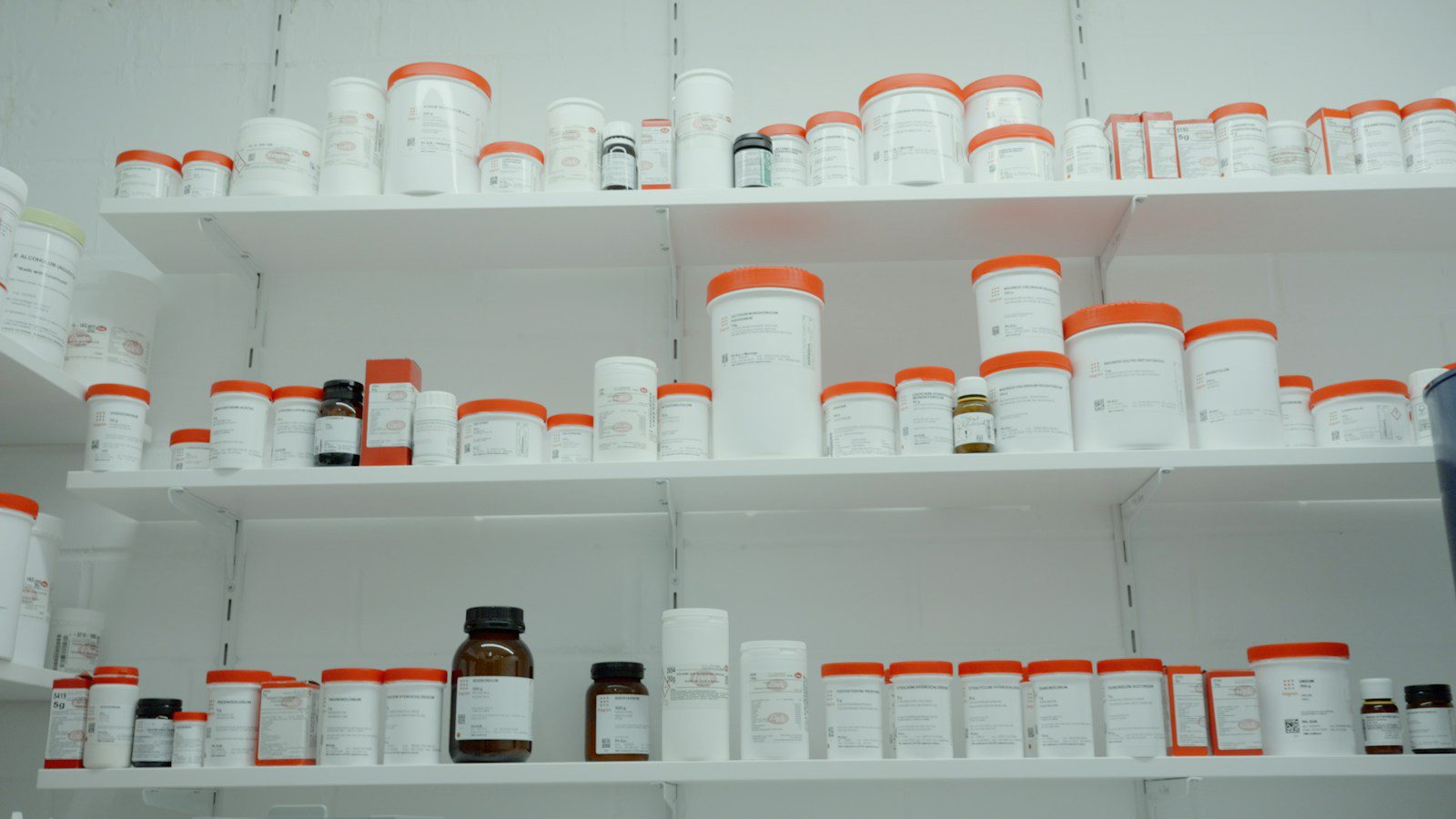
Medicine cabinets are one of those spaces people avoid sorting through because it feels like it requires more decision-making than it’s worth. But an overstuffed, disorganized cabinet isn’t just cluttered. In an actual moment of need, it slows you down when you’re digging for the right thing.
Here are seven things worth clearing out so your cabinet stays useful instead of just full.
Expired Over-the-Counter Medications
The FDA advises against using expired medications, noting that a drug’s effectiveness can decrease over time and, in some cases, its chemical makeup can change. Go through your pain relievers, allergy medications, and cold remedies, and check the printed expiration dates. If the date has rubbed off and you can’t read it, treat the product as expired.
Disposal has an order of preference. The FDA’s guidance on disposing of unused medicines says the best way to get rid of most unused or expired medicines, both prescription and over-the-counter, is a take-back option, such as a drop-off at a pharmacy or a prepaid mail-back envelope.
If you have no take-back option and the medicine is not on the FDA’s flush list, the agency says to mix it with something unappealing, such as dirt, cat litter, or used coffee grounds, seal the mixture in a plastic bag, and put it in the household trash.
Prescription Bottles From Old Treatments
Leftover prescriptions from a past illness or injury shouldn’t be kept around indefinitely, both because they can lose potency and because taking old prescription medication without current medical guidance isn’t advisable.
Use a take-back program or disposal kiosk rather than storing them. The FDA’s page on drug take-back options explains where these are. Some retail, hospital, and clinic pharmacies and some law enforcement facilities are registered with the DEA to collect unused medicines, including ones that contain controlled substances. They may offer kiosks, drop-off boxes, or mail-back programs. The DEA also hosts periodic take-back events. To find a site, the FDA suggests searching “drug disposal near me” in Google Maps or using the DEA’s year-round drop-off location search.
Certain potentially dangerous medicines are on the FDA’s flush list. For those, the FDA says flushing is the next best option when you can’t use a take-back site. Scratch out your personal information on the label before you discard the empty bottle, as the FDA advises.
Nearly Empty Tubes of Ointment
Antibiotic ointment, hydrocortisone cream, and similar tubes squeezed down to nothing but still sitting on the shelf take up more room than they’re worth. If you can’t get meaningful product out anymore, it’s time to toss the tube and add a fresh one to your next shopping list instead of holding onto an empty placeholder.
Check the date while you’re at it. On most tubes the expiration date is pressed into the crimped end. A tube that is half full but past its date goes out with the other expired over-the-counter products, using the same FDA disposal steps described above.
Then look for duplicates. It is common to find three open tubes of the same cream because nobody could find the first one. Keep the newest, unexpired tube of each type and let the others go. Stand the keepers upright in a small cup or bin so they don’t slide behind the bottles.
Thermometers That No Longer Work
A thermometer that gives inconsistent readings or simply won’t turn on isn’t something you want to discover during an actual fever check. Test yours periodically, and if it’s unreliable, replace it. This is a small item but an important one to have functioning when you actually need it.
A basic check takes two minutes. Turn it on and look for a full, clear display with no missing segments. Take your own temperature twice, a few minutes apart, while you feel well. The two readings should be close to each other. If they jump around, or the unit shuts off partway through, try a fresh battery first. The manual or the maker’s website will list the size.
Replace the thermometer if a new battery doesn’t fix it, if the tip is cracked, or if the display has gone dim. Keep one working thermometer per household in its case, along with any probe covers it uses, in the same spot every time.
Old Bandages and First Aid Supplies
Adhesive bandages can lose their stickiness over time, and gauze or medical tape that’s been sitting for years may not perform as well as fresh supplies. Do a quick check of your first aid stash, replace anything that’s lost its adhesive quality, and consider consolidating scattered supplies into one clearly labeled kit.
Open one bandage from each box and press it to your arm. If it peels off on its own, the box is done. Toss any gauze pad or bandage whose wrapper is torn, damp, or stained, because the wrapper is what keeps it clean. Replace antiseptic wipe packets that feel flat and dry.
While you’re rebuilding the kit, add one thing that takes no shelf space. Poison Control lists its national number as 1-800-222-1222 and also runs an online tool, and it describes both as free and confidential. Write the number inside the cabinet door. Poison Control says to call 911 if someone collapses, has a seizure, has trouble breathing, or can’t be awakened.
Cough and Cold Medicine From Last Season
Seasonal illnesses mean seasonal medicine purchases, and it’s common to end up with partially used bottles of cough syrup or cold medicine from a previous year. Check the expiration date, and if it’s passed, dispose of it properly rather than reaching for it the next time someone gets sick.
For the bottles that are still in date, read the label before they go back on the shelf. The FDA’s advice on children’s cough and cold medicine says it does not recommend over-the-counter cough and cold medicines for children younger than 2, and notes that manufacturers label these products “Do not use in children under 4 years of age.”
The FDA also says to measure doses with the cup or syringe that came with the product, not a household spoon, so keep each cup with its bottle. Finally, compare active ingredients across what you keep. The FDA warns against taking two products that contain the same drug, such as a pain reliever and a cold medicine that both contain acetaminophen.
Duplicate or Unnecessary Vitamins
Multiple bottles of the same supplement, or vitamins bought for a specific goal that never quite stuck, can quietly stack up in a medicine cabinet. Consolidate duplicates, and be honest about which supplements you’re actually taking consistently versus which ones are just sitting there as a reminder of a resolution that didn’t last.
Consolidating means lining up the duplicates, not pouring them together. Keep each product in its own bottle so the expiration date and directions stay with it, and put the bottle with the earliest date in front.
Then make a list of what’s left. The FDA’s consumer update on mixing medications and dietary supplements says certain supplements can change how the body absorbs or processes a medication. Its examples include St. John’s wort, which it says makes some drugs less effective, and vitamin E and ginkgo biloba, which it says can thin the blood. The agency advises bringing a list of all your supplements and medications to every health care visit.