


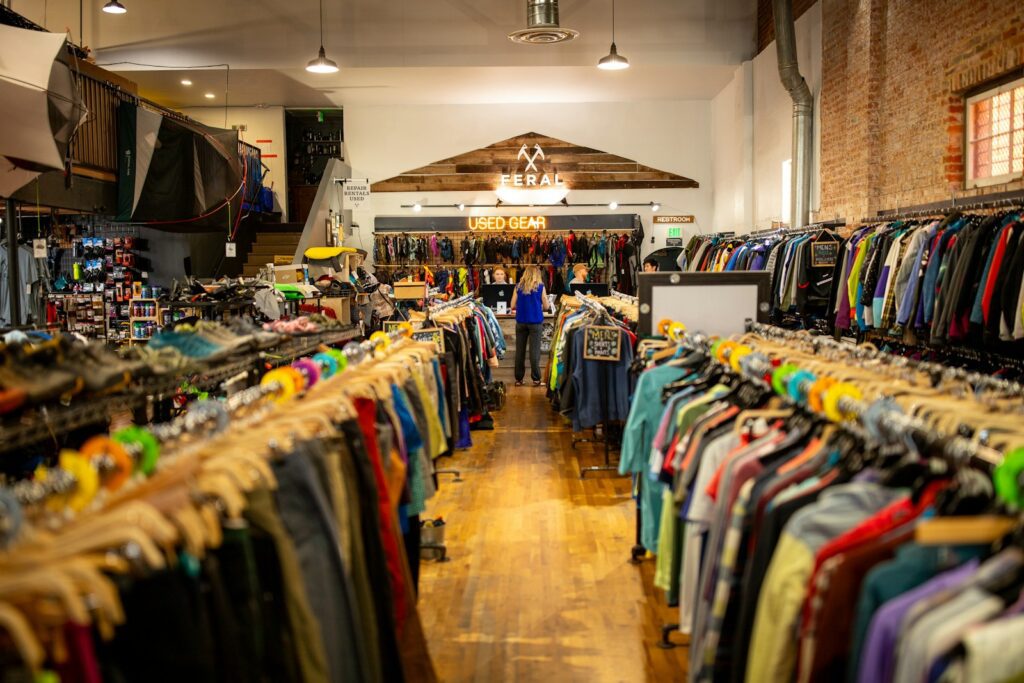
You walk into a thrift shop expecting surprises and small victories, but not everything that catches your eye deserves a second look. This piece helps you spot the pieces that look valuable at a glance but usually aren’t, so you waste less time and money on common misleads.
You’ll learn quick, practical signals that separate genuinely rare finds from convincing impostors, letting you shop smarter and more confidently.
Keep your instincts sharp as you move through furniture, metal decor, jewelry, dishware, wall art, pottery, and glassware—this article shows where to be cautious and why.
Faux antique furniture

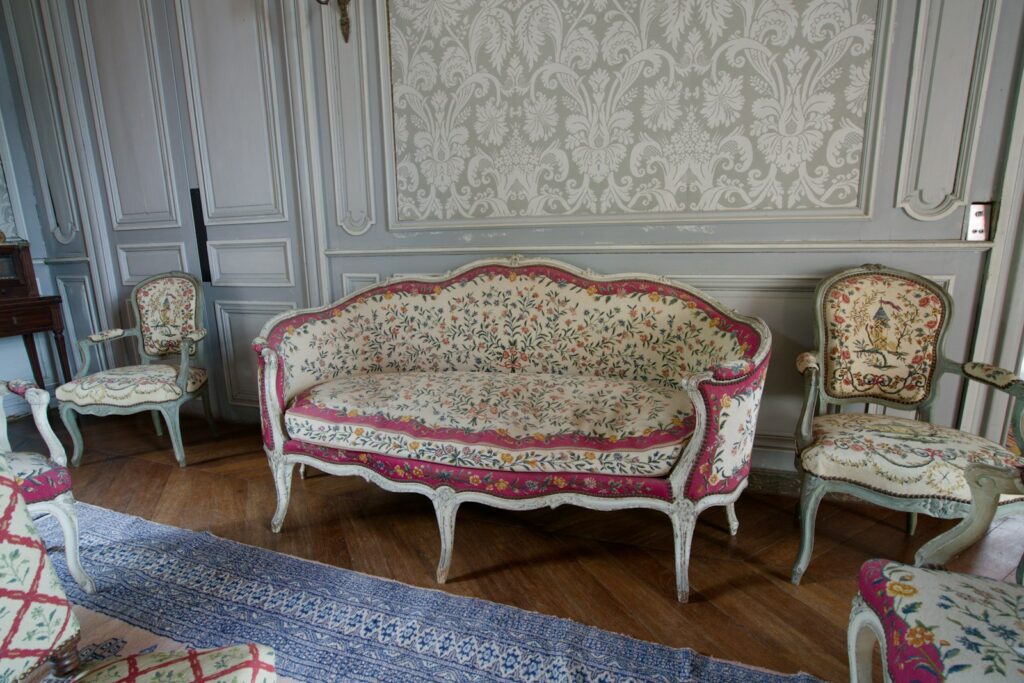
You’ll spot pieces that look aged but are modern reproductions made to sell fast.
Check joins, hardware, and veneer edges—machine-cut dovetails and stapled trim mean reproduction, not age.
Peel-back finishes or matching distress marks across multiple surfaces are red flags.
If you want true patina, focus on construction and materials, not just a fake worn look.
Consider price against wear; genuine antiques usually show inconsistent, natural aging and cost more for a reason.
Brass decorative pieces
You’ll spot shiny brass-looking lamps, trays, and figurines that feel like finds.
Many are brass-plated or painted metal, not solid brass, so value is usually low.
Test pieces with a magnet—real brass won’t stick—and look for weight and aged patina.
If a place marks up “vintage brass” heavily, walk away unless maker marks or heavy construction prove otherwise.
For ID tips and thrift-shopping context, see this guide on spotting real brass pieces at the thrift store.
Unmarked costume jewelry
You’ll spot lots of eye-catching pieces with no maker’s mark. That alone usually means low resale value, not hidden treasure.
Look for construction clues instead: glued settings, lightweight metals, and cheap clasps. These often tell the real story about materials and quality.
If a piece feels solid or has unusual stones, get a jeweler’s opinion before assuming worth. Most unmarked costume jewelry keeps sentimental value more than cash value.
China with random floral patterns
You’ll see plenty of plates and tea sets with busy, generic florals at thrift stores.
They look charming, but most were mass-produced and hold little collector value.
Flip pieces over and check for maker’s marks and pattern names.
If you can’t identify a reputable manufacturer, it’s likely decorative only.
Keep pieces you love for personal use, but don’t expect resale profits.
Generic wall art prints
You’ll see lots of framed prints that look pricey but are mass-produced posters. Check for signatures, edition numbers, or a gallery label before assuming value.
Many prints have identical copies online and sell for a few dollars, even in nice frames. If you want one for decor, buy it; if you’re hunting value, pass it up unless you find clear provenance or limited-edition marks.
For quick guidance, look up the artist name and any numbers on the back with your phone before paying.
Mass-produced pottery
You’ll see lots of cheerful bowls and vases that look handmade but are factory-made and stamped out by the thousands. Those glossy, uniform finishes and identical shapes usually mean low resale value.
Check for mold lines, repeated decals, and generic maker marks; they’re common signs of mass production. Even attractive colors rarely raise prices unless a known studio or designer is credited.
Cheap crystal glassware
You’ll often see crystal-looking vases and stemware at thrift shops that feel heavy and sparkly but aren’t worth much. Many pieces are modern mass-produced glass cut to look like crystal; they sell for pennies compared with genuine brands.
Check for maker marks and irregularities in the cut to spot originals. If you want to learn more about makers and what to look for, this guide on valuable thrift-store glass items can help.
More from Decluttering Mom: