

Thrift stores are full of hidden gems—and hidden mistakes. According to professional appraisers, certain secondhand items are frequently mispriced, often flying under the radar of store staff or casual shoppers. Some are marked too low because they look ordinary. Others are marked too high due to incorrect assumptions about value.
We reviewed recent appraisal insights, spoke with vintage resellers, and cross-referenced online valuation databases to uncover seven commonly mispriced thrift store finds you should look out for.
Mid-Century Ceramics


Many shoppers (and even staff) overlook ceramic pieces without brand names, but hand-thrown or signed mid-century pottery can be incredibly valuable. According to the editors of Ceramics Monthly, stagers and collectors are driving up demand for minimalist, Scandinavian-style forms—even from lesser-known artists. Look for unique glazes, artist initials, or kiln markings under the base.
Cut Glass vs. Pressed Glass


True cut glass can be worth hundreds, but it’s often mistaken for pressed glass and priced accordingly. The difference? Cut glass has sharp, intricate patterns made by hand, while pressed glass has mold seams and softer details. According to the National American Glass Club, proper identification requires light reflection and fingertip feel. Appraisers note that estate sale staff and thrift stores frequently undervalue real cut glass bowls and vases.
Original Artworks


Unsigned or obscure paintings often end up in thrift shops for under $20, but some turn out to be worth far more. Appraisers frequently discover that oil paintings on canvas—especially plein air landscapes or abstract pieces from the mid-century—can fetch hundreds. According to experts at Skinner Auctioneers, thrifted art with visible brushwork and aged canvas should always be investigated before dismissal.
Vintage Pyrex (Rare Patterns)


While common Pyrex patterns may go for $10–$20, certain discontinued lines—like “Lucky in Love” or “Gooseberry”—are worth far more. Thrift store employees often lump them together, missing the mark entirely. As noted by the Pyrex Collector, some bowls in rare colors or sets can command over $200 online. Check the bottom for original stamps and pattern names when in doubt.
Vintage Typewriters
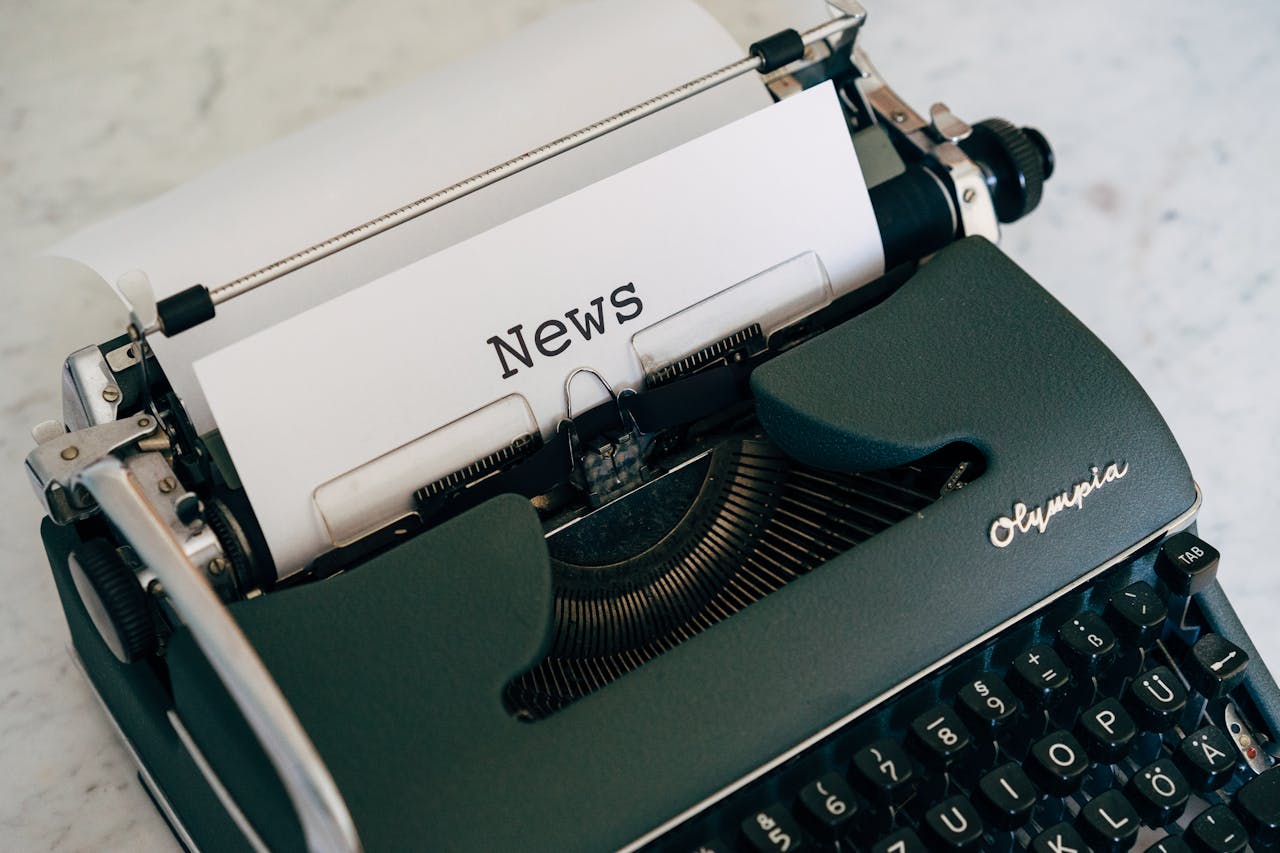
Manual typewriters, especially sleek models from the 1950s and ’60s like the Hermes 3000 or Olivetti Lettera 32, are often underpriced at thrift stores. Many staff assume they’re outdated junk—but resellers know these machines can fetch $150–$500 if they’re working. According to collector pricing data from MyTypewriter.com, color and condition matter most. Turquoise and seafoam green models are particularly hot right now.
Old Framed Maps and Blueprints


Architectural drawings, historical maps, and framed blueprints often end up priced like generic wall art—but they can be highly collectible. As noted by valuation experts on WorthPoint, early city maps or industrial blueprints from the 1800s to mid-1900s can command surprising resale value. Signs to look for include aged paper, unique notations, and framing from old institutions or engineering firms.
Military Memorabilia


From medals to insignia patches, military items often go overlooked or are incorrectly priced. According to the Military Appraisals & Consulting group, items from WWII, Korea, and Vietnam are increasingly sought after—especially if there’s a paper trail. Thrift stores often lack the expertise to distinguish reproductions from originals, meaning valuable items may be sitting unnoticed in the display case.