Old cameras tend to sit forgotten in closets long after digital photography made them obsolete. Since most no longer get used, it’s tempting to assume they’ve lost all their value along with their purpose.
Camera collecting, though, is a thriving hobby with its own passionate community. Before a box of old cameras heads to a donation center, check for these seven categories.
Leica Rangefinder Cameras
Compact, precision-built rangefinder cameras from this German manufacturer are among the most consistently valuable vintage cameras on the market, according to camera collecting resources. Collectors Weekly credits the brand with pioneering the 35mm camera and traces it to an optical firm in Wetzlar, Germany, that Ernst Leitz took over in 1869. Even non-functioning examples can be valuable to collectors who plan to restore them, so check the top plate for a model name and serial number before assuming a broken camera is worthless. Write the serial number down, since it is what a dealer or auction house will ask for first. The lens has its own name and number engraved around the front, and it may be worth as much attention as the body. Do not force a stuck shutter or winding knob, and do not polish the metal, because cleaning marks lower the price. Lookalike copies exist, so have a specialist confirm what you have. Keep the case, lens cap, box and any paperwork together.
Kodak Brownie Cameras
These simple box cameras were mass-produced for decades and are common finds in family collections, but certain early models and unusual variations within the Brownie line can be worth a surprising amount to collectors focused on early photography history, according to camera collecting guides. Check the model name stamped on the camera body and compare it against reference photos, since production years and variations significantly affect value. LoveToKnow’s guide says the first Brownie came out in 1900 and sold for one dollar. It puts the common Brownie 2 and 2A at around $30 in most cases, since millions were made. The standout is the Beau Brownie, which the guide calls the most valuable Brownie model and values at $85 to $650, with a pink example reaching about $650 in tested, working condition. Condition and the original box matter most. Note the film size as well, since the guide lists 116, 120 and 620 film across the line, and that affects whether a buyer can still shoot with it.
Original Polaroid Instant Cameras
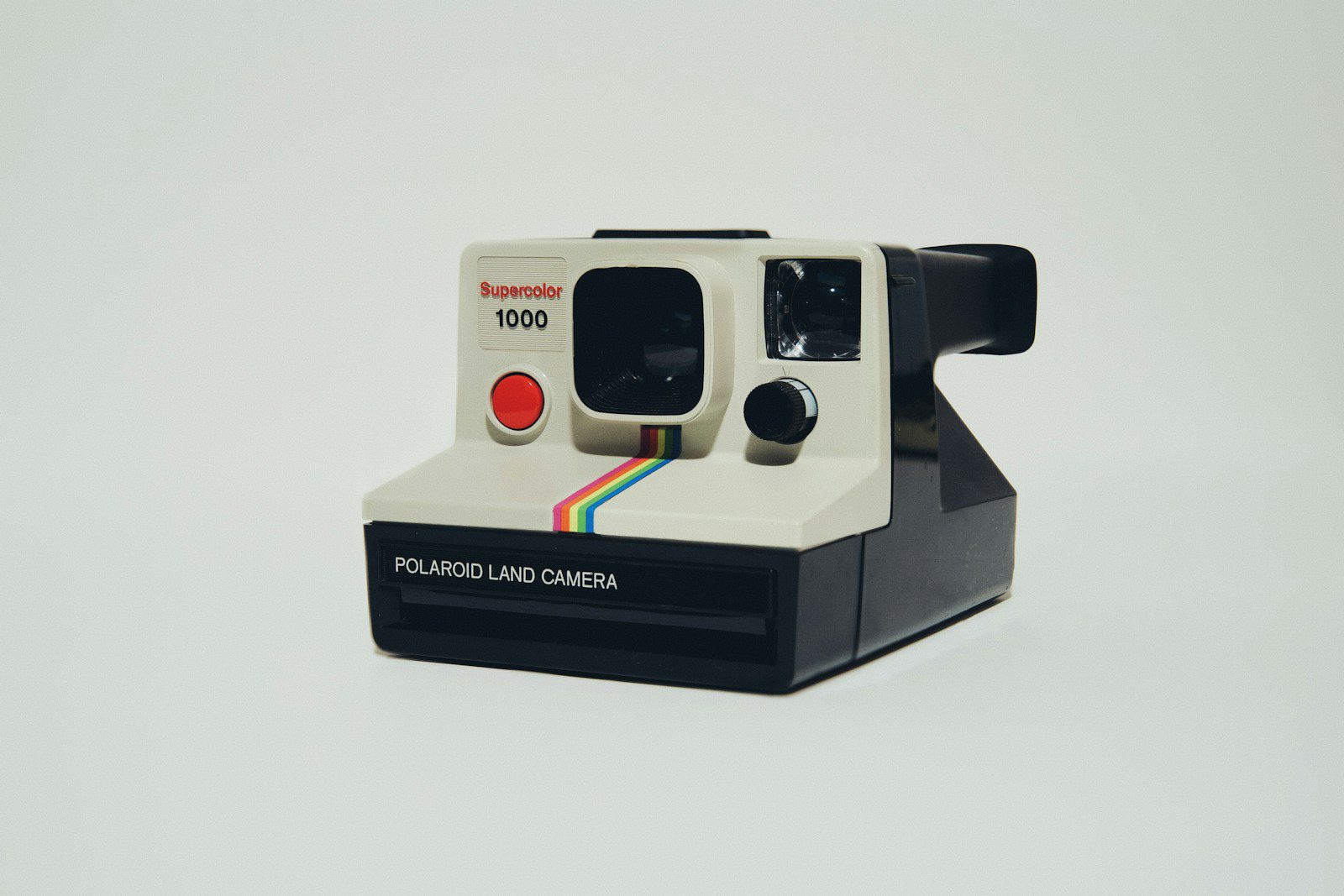
Boxy instant cameras with a distinctive accordion-fold design or the later SX-70 folding models remain popular with both collectors and photographers who still shoot with compatible instant film, according to Polaroid collecting guides. A camera that still functions, or one in excellent cosmetic condition with its original case, is worth considerably more than a damaged or heavily worn example. That guide reports a tested SX-70 in excellent shape selling for almost $600, and it says many vintage Polaroids bring as little as $10 or $20. Testing makes the difference. In one example it gives, a tested camera in pristine condition fetched roughly $90 while untested ones of the same model brought about $13. Cameras that take film still sold today hold more value, and the guide puts a pack of eight shots at about $20. Read the model name on the front, then check the film door, the rollers inside it and the bellows for damage. Keep the box, strap and manual with the camera.
Twin-Lens Reflex Cameras
Cameras with two stacked lenses on the front, one for viewing and one for taking the actual photo, are known as twin-lens reflex cameras, and certain German-made models from this category remain highly sought after by film photography enthusiasts, according to camera collecting resources. The best-known name is Rolleiflex, from a company founded in 1920 in Braunschweig, Germany. Collectors Weekly describes it as a medium-format camera that makes 6×6 cm negatives on roll film and was fitted with a Zeiss lens. Check that the viewing lens, taking lens, and shutter mechanism all appear intact, since complete, functional examples command significantly higher prices than parts cameras. Flip open the hood on top and look down at the focusing screen, which should show a clear image. Turn the focus knob and watch that both lenses move together smoothly. Shine a flashlight through the lower lens to look for haze, scratches or spidery fungus. Read the lens name and the serial number on the front.
Folding Bellows Cameras
Cameras with an accordion-style bellows that folds flat when not in use represent an earlier era of portable photography, and well-preserved examples with intact, light-tight bellows are collected both for display and for occasional use. Check the bellows carefully for pinholes or cracking, since bellows condition decides whether a camera is usable or purely decorative. The easiest test is to open the back in a dark room, shine a small flashlight inside and look for points of light along the folds and corners. Open and close the camera gently. The struts should lock firmly and the front should sit square, not lean to one side. Never force a camera that will not open, because the release button is often small and easy to miss. Look for the maker and model name on the lens ring, the shutter face or under the carrying handle. Lens glass should be clear, and the shutter should click at different speed settings. Leather covering that is lifting or missing lowers the appeal for display.
Vintage Movie and Cine Cameras
Small home movie cameras designed for 8mm or Super 8 film are often found alongside still cameras in family collections, and certain models with distinctive designs or complete accessory kits, including matching projectors, hold real interest among collectors of home movie equipment. Check whether the camera includes its original case, light meter, and any extra lenses, since a complete kit is worth considerably more than a lone camera body. Open the battery compartment first. Old batteries leak, and green or white crust on the contacts is a very common reason these cameras no longer run. Wind-up models have a key or crank on the side, so give it a few turns and press the trigger to hear whether the motor runs evenly. Look through the viewfinder and the lens for haze. Then check the box for reels of developed film. Family footage has no resale value, but it is the one thing in the box that cannot be replaced, so pull it out before anything is donated.
Vintage Camera Lenses
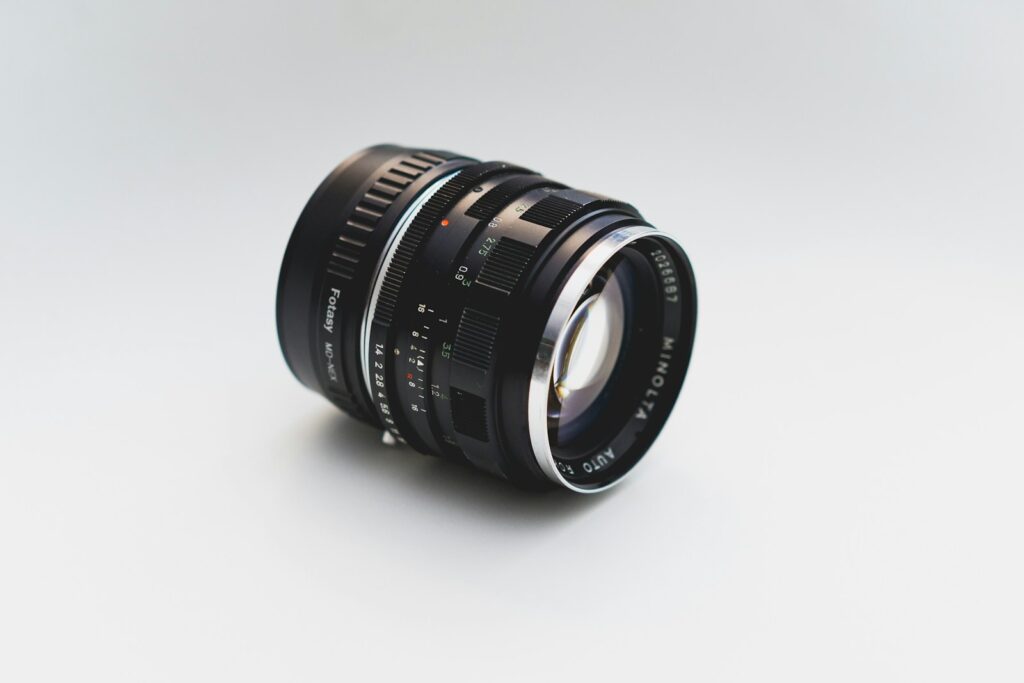
Even without a matching camera body, individual vintage lenses from respected optical manufacturers are actively collected and used by photographers who adapt older lenses to modern digital cameras. Check the lens mount type and look for a maker’s engraving on the barrel, since certain lens designs from specific manufacturers and eras are prized for optical character that modern lenses do not replicate. The ring around the front glass normally gives the maker, the lens name, the focal length in millimeters and the widest aperture, written as a ratio such as 1:2. That line of text is what you search. Shine a flashlight through from the back and look for fungus, which shows as fine branching threads, plus haze, scratches and separation at the edges. Turn the aperture ring and watch the blades, which should snap open and closed and look dry, not oily. The focus ring should turn smoothly. Front and rear caps, a hood and the original case all add to what a buyer will pay.