


A 7-year-old Indiana girl ended up in the hospital after getting hold of her mother’s GLP-1 medication, a drug her mom used to manage weight and blood sugar. What started as a child’s attempt to fix a stomachache turned into nearly a week without food, a frantic rush to the emergency room, and a hard lesson about how powerful these trendy injections really are. Her story is now being shared by her family and doctors as a warning to other households where GLP-1 pens sit in bathroom drawers or purses.
The girl, identified in multiple reports as Jessa Milender, survived, but her parents say they were blindsided by how sick she became and how quickly things spiraled. As GLP-1 drugs like Ozempic and Mounjaro move from specialty clinics into everyday medicine cabinets, her case shows how easily a curious child can mistake a sleek injector pen for something harmless.

The moment everything went wrong
On an ordinary day in Indiana, 7-year-old Jessa Milender found her mother’s prescription GLP-1 injector pen and used it on herself, believing it was “stomach ache medicine” that could help her feel better. Her mother, Melissa Milander, later described walking in to find her daughter “just laying there lifeless,” a scene that has since been recounted in detailed accounts of the overdose. Jessa had watched her mom use the pen while “trying to get healthier,” and in her 7-year-old logic, that translated into something safe enough to copy.
Within hours, Jessa began vomiting and refusing food, symptoms that escalated until she had to be rushed to the hospital and admitted for intensive monitoring. Her family says she did not eat for 6 days after injecting herself, a detail that has been repeated in multiple reports about her case. Doctors told the family that the drug’s powerful effect on appetite and digestion had essentially shut down her desire to eat, a terrifying outcome for a child who weighs a fraction of the adults these medications are designed for.
Inside the hospital: six days without food
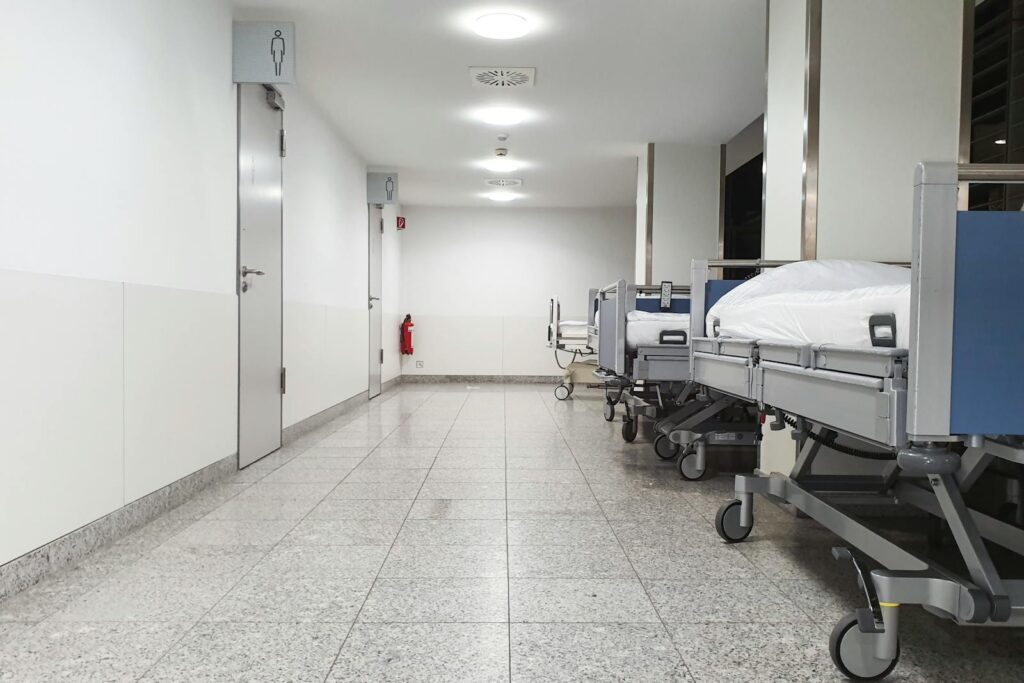
Once Jessa arrived at the hospital, staff quickly realized they were dealing with a GLP-1 overdose, not a routine stomach bug. She was admitted after overdosing on her mother’s prescription GLP-1 medication, according to detailed coverage of the incident. For days, her parents watched monitors and IV drips while nurses tried to coax her to take even a few bites of food. The same drug that helps adults feel full on smaller portions had essentially erased a child’s appetite altogether.
Melissa Milander later said that she and her family “were not prepared for how bad it was going to get,” a sentiment captured in a televised segment that showed images from Jessa’s hospital stay. In another clip shared on social media, a reporter explained that a family reports their daughter was hospitalized after she took her mom’s GLP-1 medication, underscoring how quickly a single injection can land a child in serious trouble. That short video, posted as an Instagram reel, helped push the story beyond Indiana and into a national conversation about how these drugs are stored at home.
A spike in GLP-1 scares, from Indiana to California
Jessa’s overdose is not an isolated fluke, and poison centers are starting to see the pattern. Investigators have documented a spike in calls related to GLP-1 drugs like Ozempic, Mounjaro and Wegovy, with one in-depth investigation tying those calls directly to the surge in prescriptions for weight loss and diabetes. In that reporting, experts describe children finding pens in purses, nightstands and bathroom cabinets, then clicking the button out of curiosity or in an attempt to copy a parent’s routine.
The concern is not limited to the Midwest. A California mother is also sounding the alarm after her own child’s GLP-1 scare, warning that the same sleek devices that promise dramatic weight loss can become dangerous in a household with kids. Her story, shared through a Very Local Gulf report, mirrors the Indiana case in one key way: a child saw a parent using a pen and assumed it was safe. Poison centers, which track these incidents, have flagged GLP-1 exposures as a growing slice of their workload, a trend also highlighted in social clips that mention a spike in GLP-1 calls to Poison centers.
How a “fat jab” became a child’s “stomach ache medicine”
Part of what makes Jessa’s story so haunting is the language she used. In one widely shared account, she called the GLP-1 injection “stomach ache medicine,” a phrase that shows how kids absorb adult health talk without understanding the stakes. A detailed feature by Eliza Loukou, identified as a Health Features Writer, described how JESSA Milender was found “lifeless” after overdosing on her mum’s “fat jabs,” a colloquial way some adults refer to GLP-1 shots. That same piece notes that the family had started using a GLP-1 pen in December 2024, and it even highlights the exact figure 49 in the context of the story’s publication details, underscoring how closely the timeline has been scrutinized.
Other coverage of the case, including a separate write-up that again credits Eliza Loukou as Health Features Writer, repeats the same core details: JESSA, age 7, found unresponsive after using her mother’s GLP-1 pen, which she had seen as part of a routine to get healthier. In broadcast interviews, Melissa Milander has been identified by name as she recounts how her daughter thought the shots helped with stomachaches, a point reinforced in a clip that shows Melissa Milander reliving those moments. The language adults use around these drugs, from “fat jab” to “stomach medicine,” clearly shapes how kids see them.
What doctors and parents say needs to change
Doctors who treat GLP-1 overdoses are blunt about the fix: treat these pens like any other high-risk medication and lock them up. In one detailed investigation into GLP-1 poisonings, physicians stressed that lockboxes are key to keeping kids from grabbing a pen and trying to inject themselves, a recommendation spelled out in a segment that also shows Jessa smiling a year after her overdose. That same report identifies her as Jessa Milender, 7, and notes that she now shares her story in the hope that it can protect other kids.
Parents who have lived through these scares are adding their own advice. The California mother who spoke to Very Local Gulf urged families to keep GLP-1 pens out of sight and out of reach, not tossed in a gym bag or left on a bathroom counter. In Indiana, Melissa Milander has echoed that message in multiple interviews, saying she hopes other families will not have to watch their child lie “like lifeless” in a hospital bed because of a drug that was supposed to help a parent. For poison centers, which have already documented a rise in GLP-1 exposures in both long-form features and short clips, the message is simple: these are not just “weight loss shots.” In a home with kids, they are potent drugs that demand the same respect as any other serious prescription.
More from Decluttering Mom: