Dishes get donated in bulk more than almost any other household category. A cabinet full of plates and bowls, especially ones that don’t match current decor, feels like an easy, guilt-free donation decision.
But dinnerware is one of the most active corners of the collectibles world, and the maker’s mark on the back of a plate can completely change its story. Check for these eight before boxing up a cabinet full of dishes.
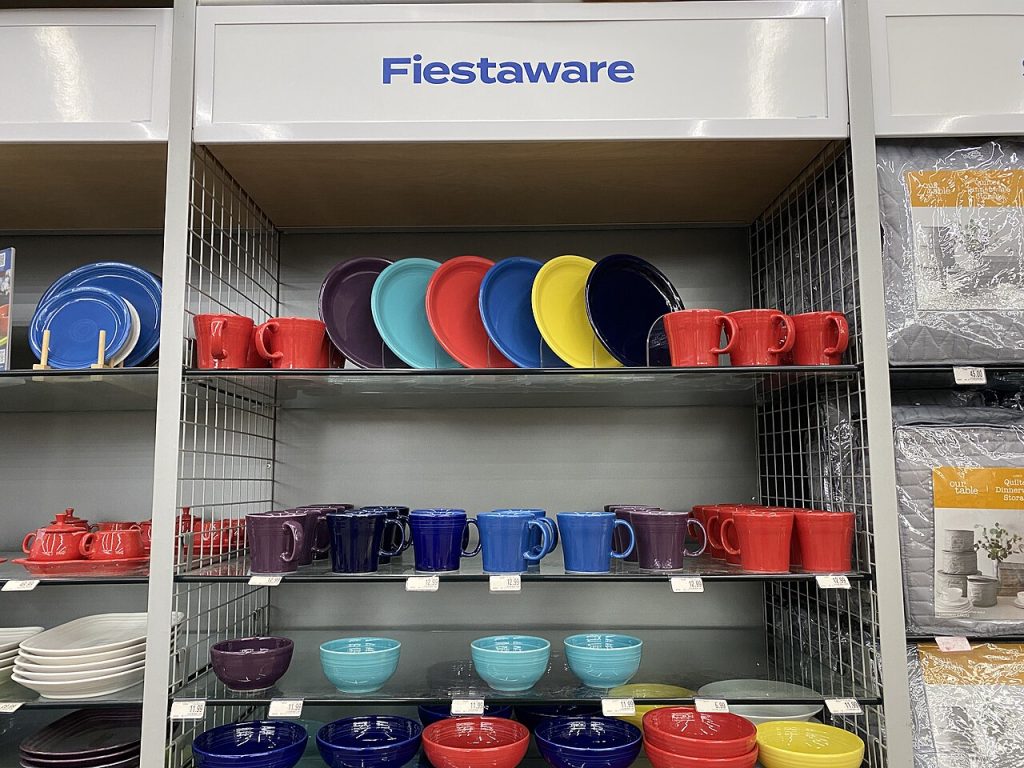
Fiestaware
Bright, solid-colored dishware with a distinctive ringed design is instantly recognizable Fiestaware, and vintage pieces, especially in the earliest color runs, are worth notably more than the modern versions still sold in stores today. The original red glaze famously used a uranium-based compound to achieve its vivid color, according to the Oak Ridge Associated Universities health physics museum. Check the backstamp and glaze glossiness before assuming a colorful set is simply a newer reissue.
Depression Glass
Pastel-colored pressed glass dishes from the 1920s through the 1940s remain some of the most collected glassware around, but identifying an authentic vintage piece from a later reproduction requires checking pattern details and glass thickness carefully, according to glass collecting guides. Complete sets in less common colors, like cobalt blue or amber, tend to be worth considerably more than the more commonly found pink and green pieces.
Blue Willow China
The familiar blue-and-white pattern depicting a pagoda, bridge, and birds has been produced by dozens of manufacturers over more than two centuries, which means value varies enormously based on who actually made a given piece, according to Blue Willow collecting guides. Checking the backstamp for a manufacturer’s name, rather than assuming all blue willow pattern dishes are equally common, can reveal a considerably more collectible maker.
Fire-King Jadeite
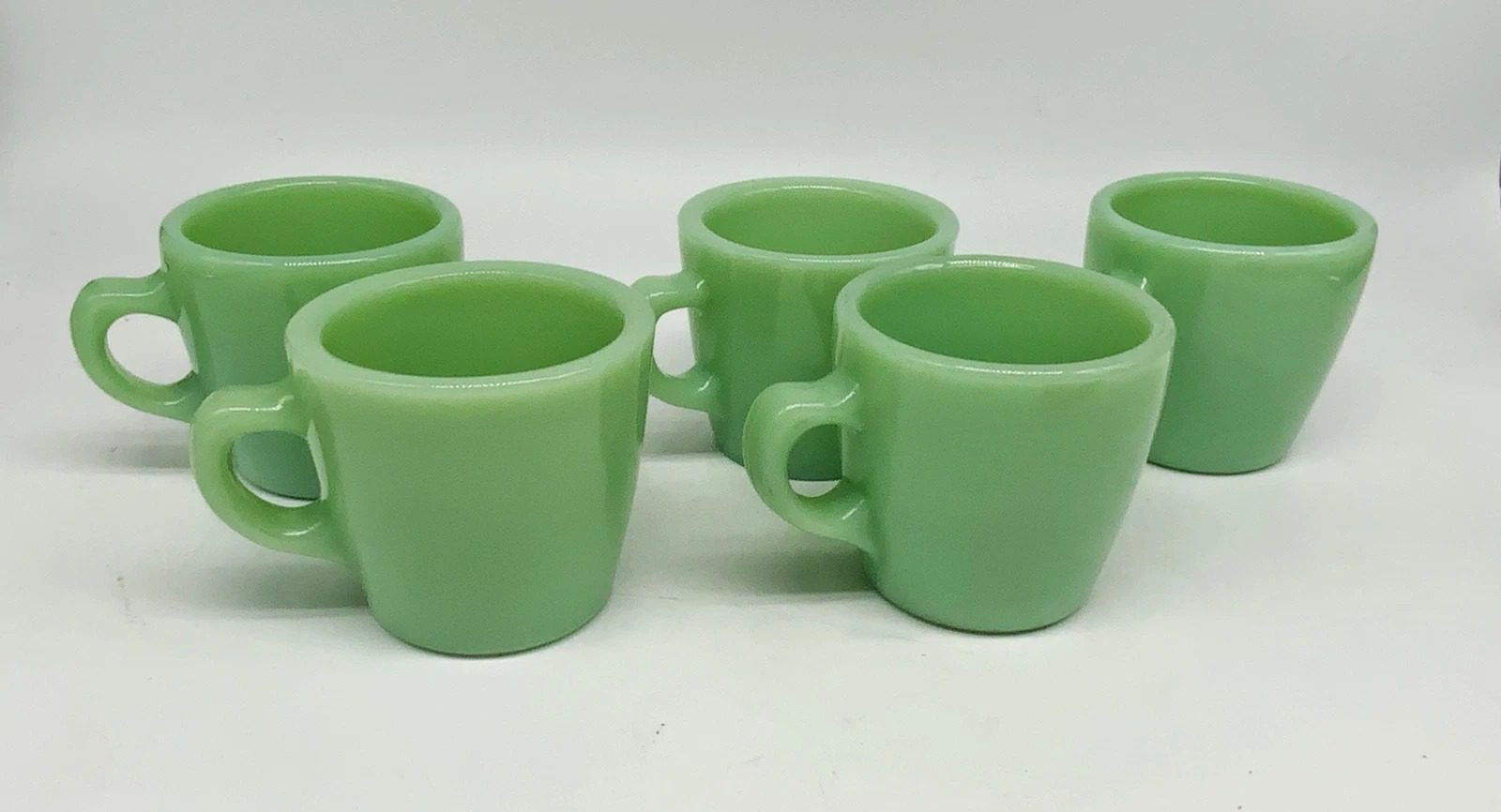
Opaque green glass dishware with a slightly bumpy texture is genuine Fire-King Jadeite, and certain mixing bowls, mugs, and less common shapes within the line can be worth well beyond what most people expect from thrift store glass, according to glassware collecting guides. Check the bottom for a maker’s mark and compare the shape to reference photos before donating a piece that looks simply like old cafeteria dishware.
Noritake China
Delicate, often hand-painted china with gold trim and intricate florals is frequently marked Noritake on the underside, and certain patterns and production eras from this long-running Japanese porcelain maker are genuinely collectible, according to Noritake collecting guides. Because the company produced an enormous range of patterns over many decades, researching the specific backstamp and pattern name is the only reliable way to know what a set is actually worth.
Hall China’s Autumn Leaf Pattern
Dishware featuring a stylized orange and brown autumn leaf design was originally distributed as a promotional premium and became one of the most avidly collected American china patterns of the 20th century, with an entire dedicated collector’s club built around it, according to the National Autumn Leaf Collector’s Club. Certain rare serving pieces within this pattern command significant premiums over common plates and cups.
Corningware and Pyrex Flameware
Stovetop-safe glass and ceramic cookware in the distinctive cornflower blue pattern or clear blue-tinted glass is often used until it’s chipped or discolored, then donated without a second thought. Certain early patterns and less common pieces within these lines, however, are actively sought by collectors who focus specifically on mid-century cookware. Check the bottom for a pattern name and production markings before assuming a scorched or stained piece has no remaining value.
Homer Laughlin Dinnerware Patterns
Beyond Fiestaware, this long-running American pottery company produced numerous other dinnerware lines with their own devoted followings, often marked with a distinctive backstamp on the underside of each piece. Certain patterns and production years within the company’s broader catalog are considerably more valuable than others, so it’s worth researching the specific backstamp rather than assuming all vintage American dinnerware from this era carries similar value.