


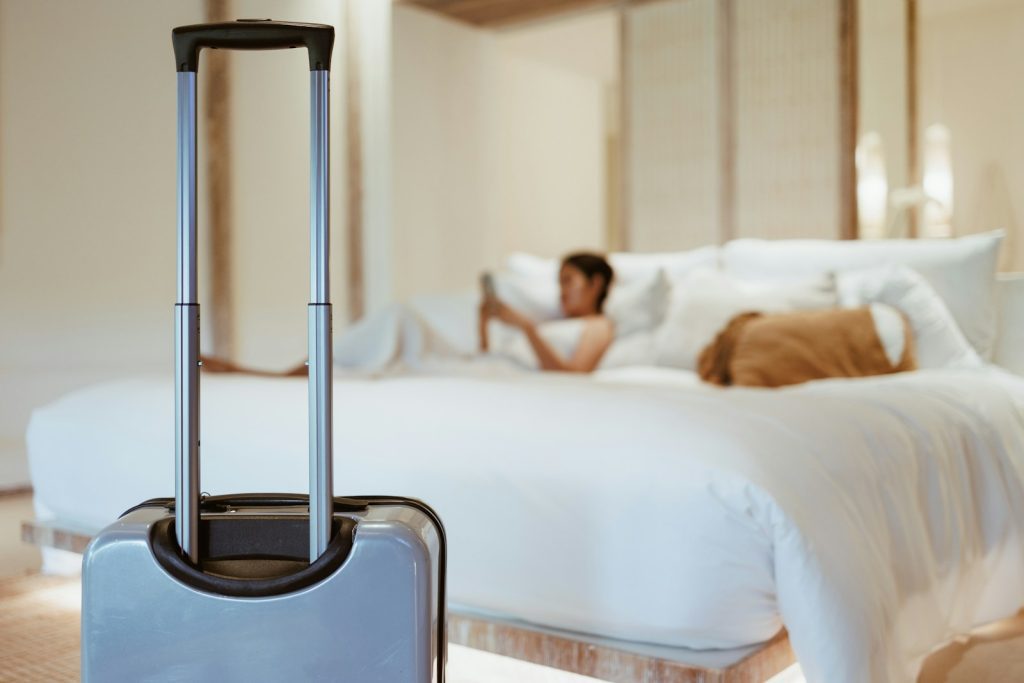
Hotel rooms are designed to feel temporary, which may be why so many guests walk out without everything they brought in. Behind the scenes, those forgotten items do not always head straight for a landfill or a donation bin. In many properties, staff quietly benefit from a structured “finders-keepers” culture that turns abandoned goods into small workplace perks.
Industry surveys and staff accounts suggest that what gets left behind is far more varied than a stray phone charger. From unopened snacks to designer jackets, hotels have developed informal systems for deciding what is logged, what is stored, and what employees are eventually allowed to claim once it is clear no one is coming back for it.
The quiet rules of lost and found
Every hotel has some version of a lost-and-found policy, but the real story lies in how those rules are applied once guests are gone. High-value items such as passports, laptops, or jewelry are usually tagged, logged, and locked away, sometimes for months, in case a frantic guest calls the front desk. Lower value or perishable items, by contrast, often move through a much looser process that leaves room for staff to benefit after a short holding period.
Reporting on hotel operations describes how properties balance formal procedures with practical realities, noting that managers are well aware of the volume of forgotten items and the cost of tracking every last one. One industry overview explains that some hotels treat abandoned goods as a modest staff incentive, especially in roles that rarely see tips, while still requiring that anything obviously sentimental or expensive be documented in a central lost-and-found system.
Unopened food and drinks


Among the most common “claimed” items are groceries and snacks that guests never get around to eating. Housekeepers routinely find sealed bottles of sparkling water, cans of soda, and full boxes of granola bars sitting in mini fridges or on desks after checkout. Because these items are perishable and relatively low in value, many hotels allow the staff member who cleaned the room to take them home once it is clear the guest has departed for good.
One front-line worker described how their property treats these finds, explaining that Here unopened food and beverages are first offered to the housekeeper assigned to the room, and if they pass, the items are placed in a shared area where they are up for grabs for all staff. That informal system turns what would have been waste into a small but appreciated benefit, especially on properties where wages are modest and staff work long shifts with limited breaks.
Clothing, shoes, and forgotten fashion
Closets and bathroom hooks are notorious traps for clothing that never makes it back into a suitcase. Guests racing to catch flights leave behind everything from basic T-shirts to tailored blazers and high-end shoes. Hotels typically hold on to these items for a set period, often several weeks, in case the owner calls, but when no one claims them, they quietly shift from guest property to staff perk or donation stockpile.
Industry accounts describe staff rooms where unclaimed jackets and scarves hang on communal racks, available to employees once the official holding window closes. A survey of more than 400 hotels worldwide, conducted as a formal survey of lost-and-found practices, found that many properties explicitly allow employees to keep unclaimed clothing after a defined waiting period, with some workers reporting that they have picked up surprisingly valuable fashion pieces thanks to this practice.
Chargers, cables, and small electronics
Power cords and chargers are the modern equivalent of the forgotten umbrella. Guests plug in phones, tablets, and laptops behind nightstands or under desks, then rush out the door without a second glance. While a smartphone itself will almost always be logged and stored, the tangle of generic USB cables and wall bricks that accumulates at the front desk can quickly become unmanageable.
Hotel staff describe drawers overflowing with identical white chargers, many of which are never requested again. According to operational breakdowns, some properties keep a portion of these cords on hand to lend to future guests, while the rest are eventually offered to employees who need a spare cable at home. The same survey of more than 400 hotels noted that small, low-value electronics are among the most frequently abandoned items, and that many workers have quietly upgraded their personal tech accessories thanks to these unclaimed surprises.
Toiletries, cosmetics, and personal care
Bathrooms are another rich source of forgotten goods, particularly full-size toiletries and cosmetics that guests bring from home. While half-used hotel-branded shampoo bottles are typically discarded for hygiene reasons, untouched luxury skincare, sealed makeup, and high-end hair products are often treated differently once housekeeping confirms a room is vacant.
Staff accounts describe informal rules where unopened or barely used premium products are set aside, then either placed in a communal basket in the break room or quietly claimed by the housekeeper who discovered them. In some properties, managers encourage this practice as a way to reduce waste, especially when guests abandon expensive items that cannot legally be resold or reused for other guests. Discussions among hotel workers highlight that policies vary, but many agree that sealed personal care products are a common and welcome find, provided they are clearly left behind and not removed from an occupied room, a distinction that is reinforced by internal guidelines.
Alcohol and the strict line on liquor
Alcohol sits in a gray area that many hotels treat with particular caution. While a forgotten bottle of wine or a six-pack of beer might seem like an easy staff perk, some properties draw a hard line, especially when it comes to spirits. The concern is not just about liability if something goes wrong, but also about maintaining professional boundaries between staff and anything that could be seen as on-the-job drinking.
One worker using the handle CandyappleWinter described a strict policy where taking any alcohol, even unopened bottles, is grounds for instant termination, with Security tasked with checking staff as they leave to enforce the rule. Other hotels are more relaxed about sealed beer or wine but still prohibit staff from removing liquor, reflecting a broader pattern in which management is far more comfortable with employees claiming snacks than spirits.
Books, magazines, and entertainment
Nightstands and desks often hold the quieter category of forgotten items: books, magazines, and sometimes board games or playing cards. Guests who finish a paperback on a business trip may simply leave it behind, assuming the next reader will enjoy it, while others forget e-readers or headphones tucked into drawers. Hotels rarely have the storage space to catalog every low-value entertainment item, so these objects often follow a more relaxed path.
Staff reports describe break rooms stocked with novels and travel guides that once belonged to guests, creating an informal library that rotates as new items appear. Some properties also place unclaimed books on communal shelves in lobbies or guest lounges, framing them as a “take one, leave one” amenity. Industry overviews of hotel culture note that these small touches cost the property nothing, reduce waste, and give both staff and future guests a modest benefit from items that would otherwise sit forgotten in a back-office storeroom.
Gift cards, small cash, and tips by another name
Wallets and large sums of money are handled with the same seriousness as passports, but smaller amounts tell a different story. Loose coins on a nightstand, a few dollars under the TV remote, or a coffee shop gift card on the desk often blur the line between accidental loss and intentional gratitude. Many housekeepers interpret clearly placed bills as tips, especially when they are left in obvious spots after a multi-night stay.
Operational accounts suggest that hotels rarely have formal rules for tiny amounts of cash, leaving it to staff judgment and supervisor discretion. Some workers describe finding small denomination gift cards or loyalty vouchers that guests never redeemed, which, after a reasonable waiting period, are sometimes used in staff raffles or given to employees as informal rewards. The same survey of more than 400 hotels found that front-line workers often view these minor windfalls as a quiet acknowledgment of their labor, particularly in regions where tipping is inconsistent and base pay for room attendants remains relatively low despite the physical demands of the job.
How staff “claims” shape hotel culture
Behind each of these categories is a broader question about workplace morale and fairness. Allowing staff to keep certain abandoned items can feel like a small but meaningful benefit in a job that is physically demanding and often invisible to guests. At the same time, managers must guard against any perception that employees are incentivized to hope guests forget things, which is why most properties draw clear lines around high-value goods and require documentation for anything that might prompt a complaint.
Industry reporting on hotel culture notes that transparent rules help maintain trust: staff are trained to log valuables, hold items for a defined period, and only then participate in any redistribution system. Online discussions among workers show that many appreciate these boundaries, especially when they are paired with practical perks like access to unclaimed snacks or books. The result is an unspoken economy of forgotten items that, when managed carefully, turns guest absentmindedness into a modest but morale-boosting part of hotel life.
More from Decluttering Mom: