


A box of old records looks pretty uniform at a glance: cardboard sleeves, worn edges, and titles that may or may not ring a bell. Most people either box the whole lot for donation or assume it’s all essentially the same low value.
But within any given record collection, value can vary enormously from sleeve to sleeve. Here are eight things worth checking before a box of vinyl leaves the house.

First Pressings
The most reliable way to identify an original first pressing is by examining the “dead wax” area near the record’s label, where a stamped or handwritten matrix number can reveal the specific pressing plant and run, according to pressing identification guides. Original first pressings of popular albums are typically worth considerably more than later reissues, so it’s worth learning to read these small etched codes before assuming all copies of a given album are equally common.
Picture Sleeves on 45 RPM Singles
Small vinyl singles are often found loose, separated from their original paper picture sleeves somewhere along the way. A 45 with its correct, undamaged original picture sleeve can be worth substantially more than the same record without one, particularly for singles from artists with a strong collector following, according to singles collecting guides. Keep any loose sleeves matched with their correct records rather than storing them separately.
78 RPM Shellac Records
Thick, heavy records that predate the standard vinyl LP are made of shellac rather than vinyl and require careful handling since they’re more brittle and prone to chipping. Certain early recordings on this format, especially rare jazz, blues, and early rock and roll pressings, can be genuinely valuable to specialized collectors, according to 78 rpm collecting resources. Store these upright and separately from vinyl LPs to prevent breakage.
Promotional and White Label Copies
Records marked “promotional copy,” “not for sale,” or pressed with a plain white label rather than the standard commercial label were distributed to radio stations and industry insiders rather than sold to the public, according to promotional record identification guides. Because far fewer of these were pressed compared to commercial copies, they can carry a premium for certain artists and releases, so check labels carefully rather than assuming a plain label means a blank or damaged record.
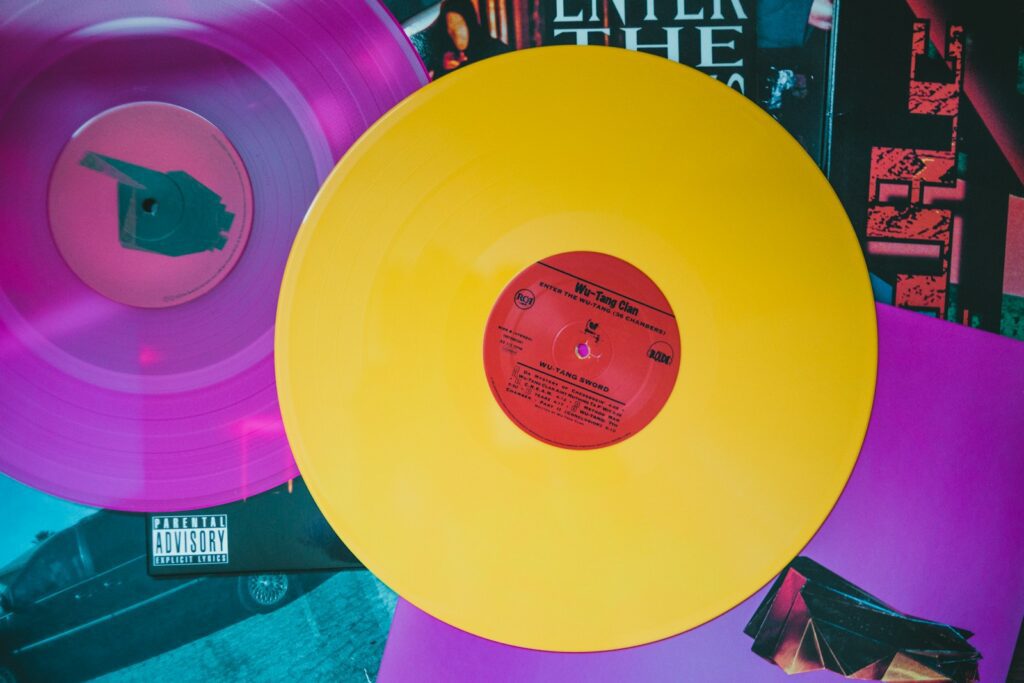
Colored Vinyl Pressings
Most vinyl records were pressed in standard black, so colored vinyl variants, whether a limited-run reissue or an original colored pressing from decades ago, tend to stand out to collectors specifically because of their rarity relative to the standard release. Hold records up to a light source to check for color and clarity, and research whether a specific colored pressing was a limited or promotional run before assuming its color alone determines value.
Box Sets and Multi-Record Albums
Multi-disc box sets, especially those originally packaged with booklets, posters, or other inserts, are considerably more valuable when complete than when only individual discs survive. Check that all original discs and paper inserts are accounted for against any track listing or booklet, since a complete, well-preserved box set holds meaningfully more value than a partial one missing its extras.
Autographed Records
A record album signed by the artist, ideally with some documentation or clear provenance establishing authenticity, can be worth considerably more than an unsigned copy of the same release. Signatures obtained at documented public appearances are generally easier to verify than an undocumented signature found on an inherited record, but either way, it’s worth researching before assuming a signed cover is simply a previous owner’s own handwriting.
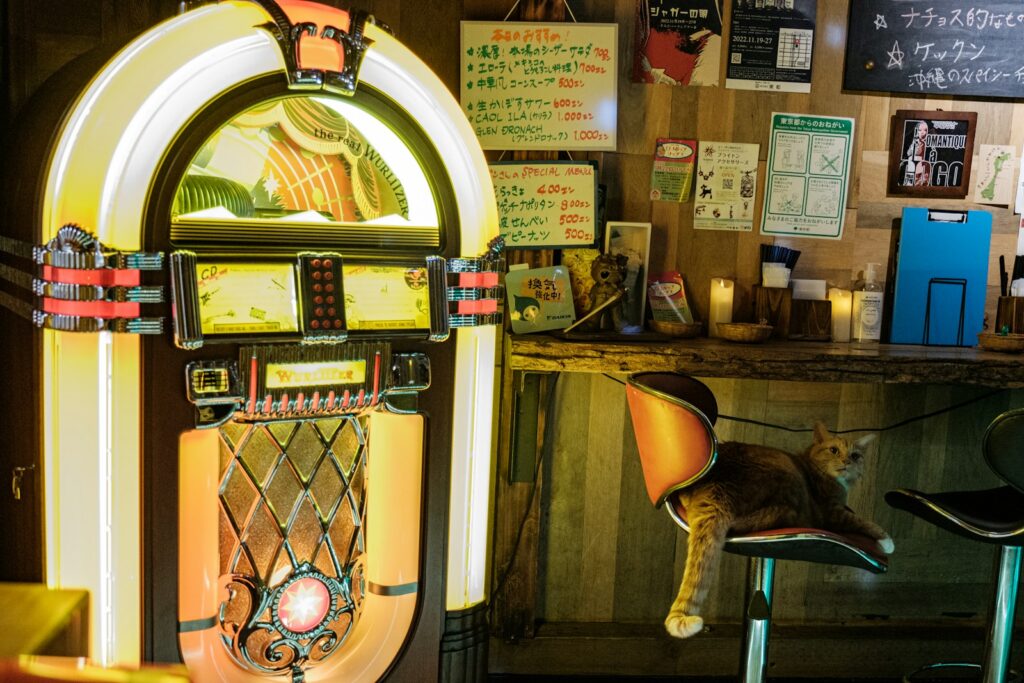
Jukebox 45s
Small vinyl singles with a large center hole, designed specifically for jukebox use, are a distinct category from standard home-use 45s, and certain jukebox-only releases and pressings have their own dedicated collector niche. Check the center hole size and any small jukebox-specific labeling or strip inserts, since these details can help identify records that were never intended for typical home record players.