Every family seems to have one: a wicker or wooden sewing basket, usually tucked in a closet, filled with decades of accumulated notions that nobody has touched in years. When it comes time to clean it out, the instinct is to dump the whole thing without sorting through the contents.
That’s a mistake worth avoiding. Sewing baskets are small time capsules, and several of the items typically found inside have real collector value well beyond their obvious usefulness for mending a hem.
Antique Thimbles
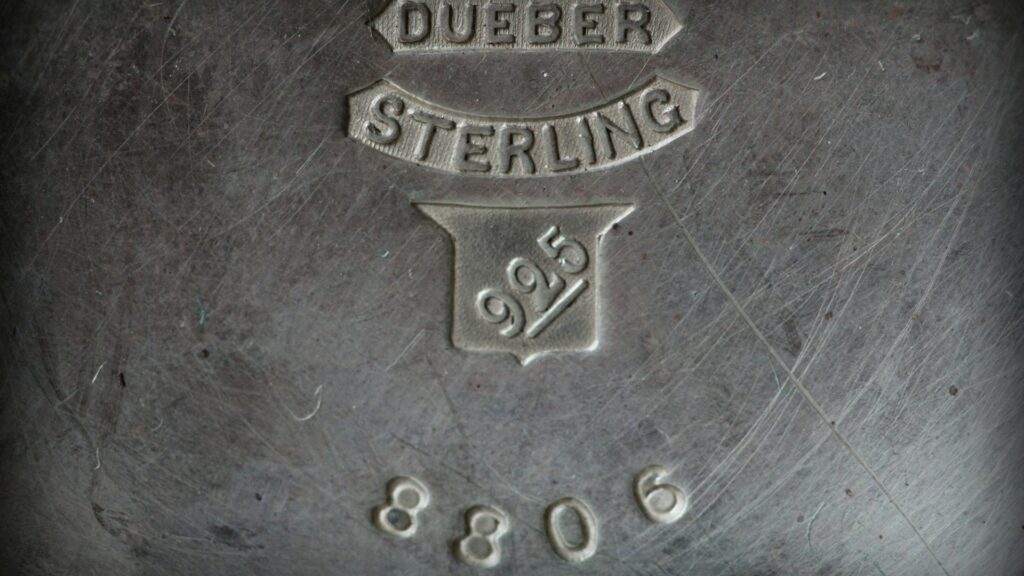
Thimbles are one of the most actively collected small sewing items, and materials matter enormously to their value. Sterling silver, gold, and porcelain thimbles are worth considerably more than the common steel or aluminum versions, and some were produced as souvenirs or promotional items from specific events or locations, which adds to their appeal. Check the inside band for a hallmark or manufacturer’s stamp, since marked thimbles are far easier to identify and value than unmarked ones. Decorative thimbles with hand-painted scenes or engraved bands tend to be the most sought after. Even a small handful of mismatched thimbles found loose in the bottom of a basket is worth sorting through individually rather than discarding as a group.
Vintage Buttons
A jar or tin of loose buttons looks like clutter, but button collecting is a genuine and active hobby with its own terminology and grading standards. Materials like Bakelite, glass, mother-of-pearl, and celluloid are particularly desirable, as are buttons with intricate carved or molded designs rather than plain utilitarian shapes. Sets of matching buttons, especially still attached to their original card or with a manufacturer’s label, are worth more together than the same buttons sold individually. Bakelite buttons in particular can be tested by rubbing them briskly and smelling for a distinct chemical scent, a common method collectors use for identification. Sort buttons by material and design before assuming a tin of them is worthless.
Singer Sewing Machines and Attachments
If the sewing basket sits near an old machine, check the machine itself before addressing the smaller notions. Vintage Singer machines, especially those in original wooden cabinets or portable cases, appeal to collectors and working sewists alike. The serial number plate on the machine’s body can be used to identify the exact production year and model. Original attachments, including buttonhole makers, ruffling feet, and the machine’s own oil can, add real value when kept together with the machine rather than scattered separately. A machine that still turns smoothly by hand crank, even without electricity, is often more desirable to collectors who restore and display these machines than a newer electric model.
Antique Pin Cushions
Decorative pin cushions, particularly figural ones shaped like fruit, animals, or shoes, were popular novelty items for decades and are more collectible than their plain velvet counterparts. Look for fabric condition, since faded or moth-damaged cushions lose significant appeal regardless of the shape’s novelty. Cushions made from silk or velvet with metallic trim, especially handmade ones with visible hand-stitching, tend to interest collectors focused on needlework history. Even simple tomato-shaped cushions from well-known manufacturers have a following among sewing collectors building complete vintage sewing kit displays. Check the cushion’s base for any manufacturer’s tag before assuming it’s a generic homemade item.
Sewing Scissors and Shears
Well-made vintage scissors, particularly those with ornate handles or a known manufacturer’s stamp, are worth setting aside rather than replacing with modern equivalents. Forged steel scissors from established cutlery makers hold an edge far longer than modern stamped-steel versions, and collectors specifically seek out embroidery scissors shaped like storks or birds, a classic design still produced today but most valuable in its older forms. Check the blades for the maker’s name etched near the pivot point. Even scissors that have gone dull can usually be professionally sharpened and restored to full function, so dullness alone shouldn’t be a reason to discard an otherwise well-made pair.
Wooden and Celluloid Bobbins
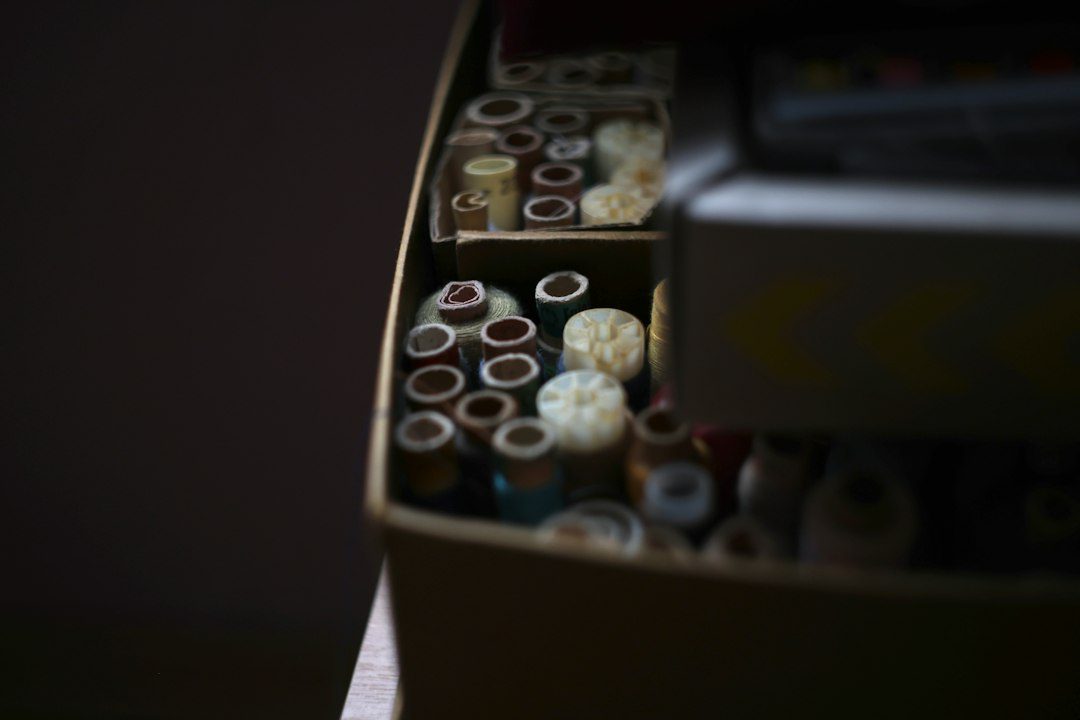
Old wooden thread spools and bobbins, especially those still wound with thread in discontinued colors, appeal to a niche but genuine collector market. Wooden spools predate the plastic versions used today and are often purchased in bulk by crafters repurposing them for home decor, as well as by collectors interested in sewing history specifically. Celluloid bobbins from specific machine brands can also hold value, particularly if they’re stamped with a manufacturer’s name. A large collection of matching wooden spools, especially organized on their original spool cabinet or rack, is considerably more valuable as a complete set than loose individual pieces.
Needle Cases and Sewing Kits
Small decorative cases designed to hold needles, often made from tin, celluloid, or fabric, were frequently given away as promotional items by businesses decades ago and have become a specific collecting niche. Advertising needle cases featuring a company name or product illustration tend to be more valuable than plain, unbranded versions, since advertising collectors compete with sewing collectors for the same pieces. Check for legible printing and intact hinges or closures, since these small items were handled frequently and often show wear. A complete traveling sewing kit, with its original needles, thread, and thimble still inside the case, is considerably more desirable than an empty case alone.
Antique Tape Measures
Retractable cloth or celluloid tape measures, especially figural ones shaped like animals or objects, were popular novelty giveaways and are now collected specifically for their design rather than their function. Check the casing for a company name or logo, since advertising tape measures tend to command higher prices than plain unbranded ones. The cloth tape itself should still retract smoothly for the piece to be considered in good working condition, though even a stuck mechanism doesn’t eliminate a case’s decorative value. These small items are easy to overlook at the bottom of a sewing basket, so check every compartment carefully rather than assuming small metal objects are just loose hardware.