Here is the surprising reason most of us keep expired bathroom items for years: they look fine. The bottle is still half full, the bristles still stand up, and throwing out something we paid good money for feels wasteful. But the bathroom is warm, damp and busy, which is exactly the kind of place where germs and old ingredients thrive. Many of these items touch your eyes, mouth or skin every day, so a quick cleanout is one of the smartest ten minutes you can spend. Here are eight things to check today, along with how often the experts say each one should be replaced.
1. Expired Medicines
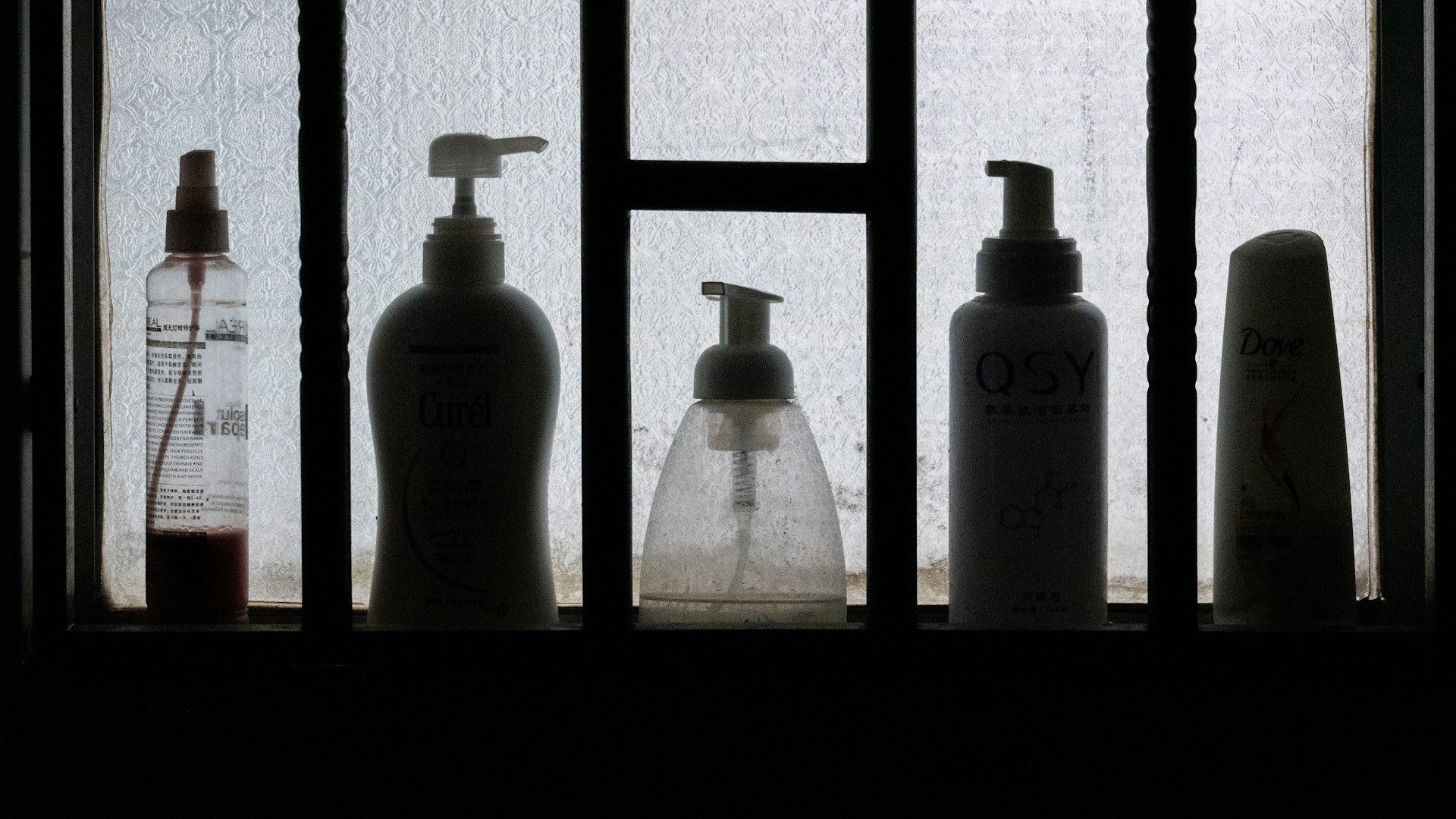
The medicine cabinet in the bathroom is the most common place for old pills to hide. The FDA has required expiration dates on prescription and over the counter medicines since 1979, and it is blunt about what to do with expired ones: do not use them. Expired medicines may be less effective or riskier, because their strength can drop and some can develop bacterial growth. Weakened antibiotics, for instance, may fail to treat an infection. For disposal, the FDA prefers a drug take back location or a mail back envelope, and your pharmacy may have a drop box. The FDA also keeps a short flush list for certain medicines. It recommends storing medicines in a cool, dry place away from sinks and hot appliances, which makes a bedroom drawer or hall closet a better home than the steamy bathroom.
2. Old Sunscreen
That bottle from last summer may be fine, but the one from three summers ago probably is not. Mayo Clinic explains that the FDA requires sunscreen to keep its original strength for at least three years. If the bottle has an expiration date, toss it after that date. If it does not, write the purchase date on the bottle and discard it three years later. The American Academy of Dermatology adds that sunscreen can spoil early, so replace it if the color changes, it smells off, it separates, or it becomes dry and flaky. Heat speeds the breakdown, so do not leave bottles in a hot car or on a sunny windowsill. Since protection is the whole point, an old tube that has stopped working is worse than none at all because it gives you a false sense of safety.
3. Mascara and Eye Makeup
Your eyes are delicate, and makeup that sits near them for months collects bacteria. The American Academy of Ophthalmology says eye makeup should be thrown away three months after you buy it, and sooner if you develop an eye infection while using it. The American Academy of Dermatology agrees, noting that the lifespan of mascara is three months for good reason. Some sources give a little more time, and a dermatologist quoted by Cleveland Clinic says six months, but the eye doctors’ three month rule is the safest to follow. Never pump a wand in and out to revive dried mascara, and never share eye products. A simple trick is to write the month you opened it on the tube with a permanent marker. When the date rolls around, it goes in the trash, even if there seems to be plenty left.
4. Makeup Past Its Time
Beyond mascara, the rest of your makeup bag deserves a look. The American Academy of Dermatology says most products do not carry a printed expiration date, but many have a small open jar symbol with a number and the letter M, which tells you how many months the product lasts after opening. It recommends tossing makeup that clumps, separates, crumbles, smells bad or changes color or feel. Cleveland Clinic gives general timeframes from a dermatologist: about six months for liquid foundation and lipstick, and one to two years for powder foundation and pencil eyeliner. It also advises replacing lip products after a cold sore and eye products after an eye infection like pink eye. If a product has made your skin break out or itch, that is reason enough to let it go. Wash brushes and sponges often, too.
5. Worn Out Toothbrushes
A toothbrush looks like it could last forever, but the bristles wear out long before the handle does. The American Dental Association says to replace your toothbrush about every three to four months, or sooner if the bristles are matted or frayed, because worn bristles do not clean as well. It also recommends rinsing the brush well after each use, keeping it upright, and letting it air dry. Storing a damp brush in a closed container encourages microbes to grow, so skip that travel cap at home. If you share a cup with a spouse, keep the brushes from touching. Here is an easy way to remember the schedule: swap in a new brush at the start of every season. Keep a few spares on hand so you never have to stretch the old one.
6. Loofahs and Bath Sponges
That puffy pouf in your shower is the very definition of a thing that looks fine. It stays damp, and a damp, porous surface is exactly what bacteria enjoy. According to dermatologist Melissa Piliang in an article from Cleveland Clinic, natural loofahs should be replaced every three to four weeks and plastic ones about every two months, or sooner if you see mold or notice a musty smell. She explains that loofahs have many crevices where dead skin collects and that they never fully dry out in the shower. Cleveland Clinic suggests alternatives such as washcloths, which are easier to wash and dry, or silicone scrubbers. If you stick with a loofah, hang it somewhere dry outside the shower between uses and mark your calendar for replacement day.
7. Dull Disposable Razors
Disposable razors are cheap, so people stretch them far beyond their useful life. The American Academy of Dermatology says to replace a disposable razor after five to seven shaves and to store it in a dry place. A worn blade tugs at the skin instead of gliding over it, and rust or built up soap in a damp razor holder does not help. If you have a drawer full of mismatched razor handles and rusted blades from years gone by, this is the moment to clear them out. You can shave at the end of your shower, when the hair is softest, and use a moisturizing shaving cream for a closer, gentler result, as the dermatologists suggest. If you use an electric razor, the AAD says to clean it every five to seven shaves.
8. Contact Lens Cases
If you wear contacts, the case is the sneakiest item on this list. It sits by the sink, gets rinsed, and seems clean. Yet the Centers for Disease Control and Prevention says to replace your contact lens case at least every three months, because germs can grow in cases even when they are cleaned properly. Many people hold on to the same case for a year or more, which is a risk to the eyes. Buy them in multipacks, which are often inexpensive, and swap in a fresh one whenever you open a new bottle of solution. Always use fresh solution rather than topping off old solution, and let the case air dry upside down on a clean tissue between uses. If you do not wear contacts anymore, toss the whole stash of old solution and cases.