


You vacuum. You wipe counters. You even remember to clean the baseboards every once in a while, and you feel pretty good about the state of your house. But cleanliness has a funny way of hiding in the details — it’s entirely possible to run a tight ship on the surfaces everyone sees while a handful of everyday objects quietly become the germiest spots in the whole home.
None of these are things you’re doing wrong, exactly. They’re just easy to overlook because they don’t look dirty the way a sticky floor or a dusty shelf does. Here are eight spots that deserve a little more attention than they’re probably getting.

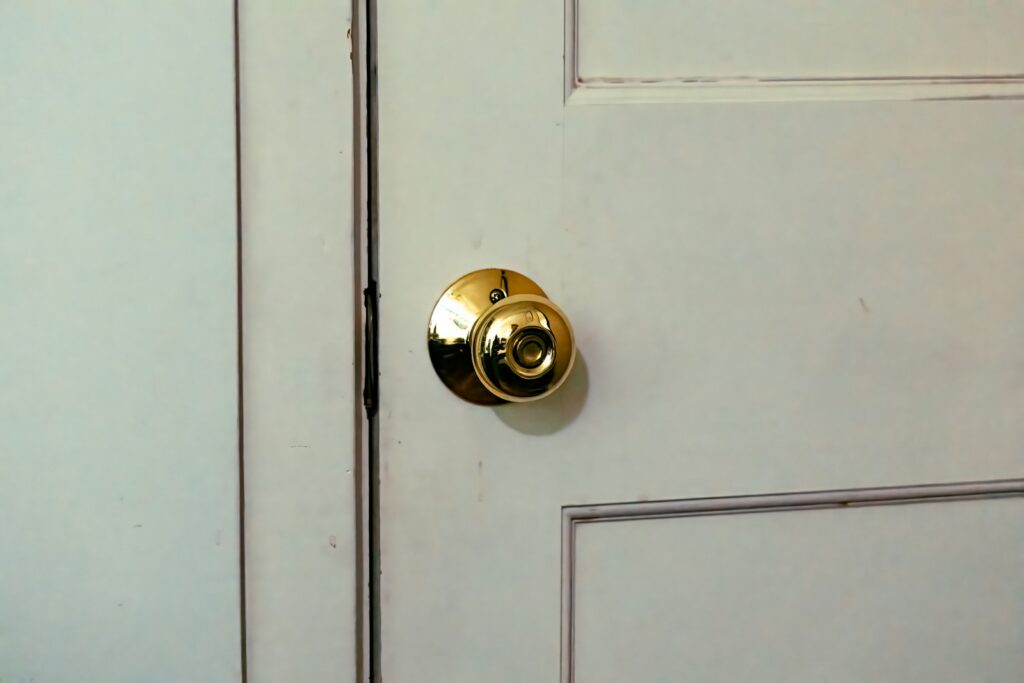
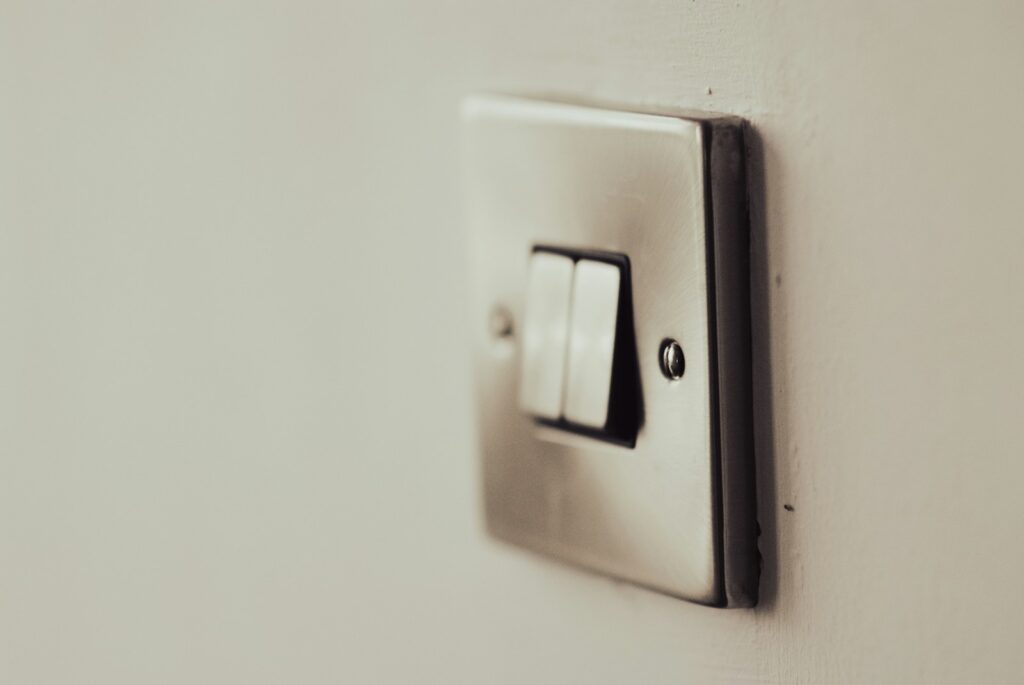
Doorknobs and Light Switches
Every single person who walks through your house touches these, often with hands that just handled raw chicken, a diaper, or the mail. They’re high-contact, low-visibility, and almost nobody wipes them down on a regular rotation. A quick pass with a disinfecting wipe once or twice a week — especially during cold and flu season — makes a bigger dent in household germs than another round of vacuuming ever will. Focus on the ones by the front door, the bathroom, and the kitchen first, since those get the heaviest traffic. If you have kids who are constantly sniffling, this is genuinely one of the highest-value five-minute chores you can add to your week, and it costs nothing but a wipe you probably already own.
The TV Remote and Game Controllers
These get handled constantly, rarely washed, and often used while snacking, which means crumbs and residue build up in every crevice. Remotes have actually shown up as one of the germiest items in household hygiene research, right up there with sponges and cutting boards. A cotton swab dipped in a little rubbing alcohol gets into the buttons without frying the electronics, and a wipe-down of the outer casing takes seconds. Do it while you’re already cleaning the living room so it doesn’t become its own separate task you forget about.
Your Kitchen Sponge
This one gets said so often it’s practically a cliché, and yet most of us still leave the same sponge sitting in a wet dish by the sink for weeks. A damp sponge at room temperature is close to ideal conditions for bacteria to multiply, which is exactly why it keeps showing up at the top of germiest-item lists. Microwaving a wet sponge for a minute or running it through the dishwasher’s heated cycle a couple times a week helps, but the real fix is just replacing it more often than feels necessary — think every one to two weeks, not until it visibly falls apart.
The Washing Machine Drum and Gasket
It feels counterintuitive that the appliance meant to make things clean needs cleaning itself, but front-loading machines especially trap moisture, lint, and detergent residue in the rubber gasket, which can lead to a musty smell and mildew you can actually transfer onto your “clean” laundry. Running an empty hot cycle with a washing machine cleaner or a cup of white vinegar once a month, and wiping out the gasket fold with a dry cloth after each load, keeps this from turning into a bigger problem. Leaving the door propped open between loads instead of sealing in the moisture helps just as much as any product does.
Reusable Water Bottles and Their Lids
A quick rinse under the tap is not the same as actually washing a bottle, and the straw or spout lids especially trap moisture and residue in spots a sponge can’t easily reach. These get refilled daily, carried everywhere, and touched with hands all day long, which adds up fast. A proper wash with hot soapy water and a bottle brush at least every couple of days, plus a bleach-water soak once a week for the lid components, keeps them from turning into something you wouldn’t want to look at too closely. If it’s dishwasher safe, just toss it in — the extra minute of effort is worth skipping.
Pillows, Not Just Pillowcases
You wash the pillowcase regularly, but the pillow underneath absorbs sweat, oils, drool, and dead skin night after night, and most people never wash it at all. Sleep experts generally recommend washing pillows every few months and replacing them roughly every one to two years, depending on the type. Most synthetic-fill pillows can go right in the washing machine on a gentle cycle with an extra rinse; down and feather pillows usually tolerate it too, as long as you dry them thoroughly with a couple of clean tennis balls to keep the fill from clumping.
The Coffee Maker Reservoir
Coffee makers stay warm and damp almost all day, which makes the water reservoir and internal lines a surprisingly welcoming environment for mold and mineral buildup, even if you can’t see it. If your coffee has started tasting slightly off or your machine seems to be running slower, that’s usually your first clue. Running a cycle of equal parts water and white vinegar through the machine once a month, followed by two or three cycles of plain water to rinse it out, keeps both the taste and the hygiene in check without requiring any special products.
Bath Mats
A bath mat sits on a wet bathroom floor, absorbs water and shed skin after every shower, and rarely fully dries out between uses, which makes it a near-perfect setup for mold and mildew. Most people wash their towels far more often than their mats, even though the mat arguably has it worse. Tossing it in the wash on a hot cycle once a week, and actually hanging it up to dry fully in between rather than leaving it crumpled on the floor, solves most of the problem without adding much to your laundry routine.