


The garage occupies a strange middle ground in most homes: it’s technically indoor space, but it operates by an entirely different set of rules than the rest of the house. Things go in and, more often than not, they simply stay, regardless of whether they’re ever actually used again. It’s the room where good intentions go to gather dust, quite literally, often for years at a stretch.
This isn’t a small, isolated problem either. A well-known Craftsman-commissioned survey found that nearly one in four Americans say their garage is too cluttered to fit a car inside it, which tells you this is less a personal failing and more a near-universal pattern. If your garage has quietly become a storage unit you never have to pay rent on, here are eight categories worth a second look.


Paint Cans From Projects Finished Years Ago
Nearly every garage has a shelf of paint cans, some half-full, some barely used, left over from rooms painted long enough ago that the color swatch on the lid no longer matches anything in the house. Paint can also degrade over time, separating or drying out in ways that make it unusable even if the can looks fine from the outside. Testing a small amount before assuming an old can is still good, and properly disposing of anything unusable through a local hazardous waste program, clears this shelf responsibly. Keeping a small, clearly labeled amount of current wall colors for touch-ups is genuinely useful; a decade of assorted leftover paint generally is not.
Sports Equipment From Activities No Longer Played
Golf clubs from a brief golfing phase, a bike that hasn’t been ridden since a knee injury years ago, or an entire set of skiing gear from one trip tend to occupy corner after corner of garage space. Because sports equipment is often expensive, there’s a strong reluctance to get rid of it even after interest has clearly faded. If a piece of equipment hasn’t been used in the current season, or the season before, it’s worth being honest about whether it’s likely to be picked back up. Selling higher-value equipment through a consignment sporting goods store, or donating to a youth sports program, gets genuine value out of something that’s otherwise just taking up space.
Boxes of Unsorted Move-In Items
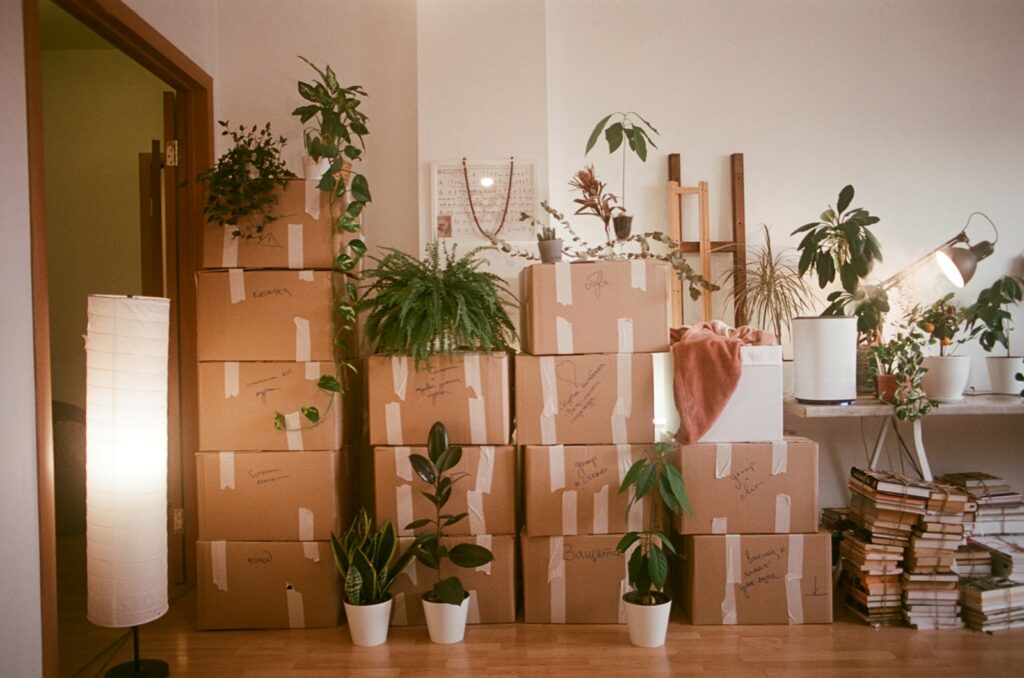
It’s remarkably common to find a stack of boxes in a garage corner that have never actually been unpacked since a move, sometimes years after the move happened. Because the contents are often unclear and mixed, these boxes tend to get avoided rather than sorted, becoming a permanent fixture rather than a temporary staging area. Setting aside even one afternoon to finally open and sort these boxes usually reveals that a large portion of the contents can be donated or discarded outright. If a box has genuinely sat unopened for over a year, there’s a reasonable chance you don’t need what’s inside it at all.
Broken Tools and Appliances “To Be Fixed Eventually”
A broken lawnmower, a malfunctioning power tool, or a small appliance moved to the garage under the assumption that someone will eventually repair it often ends up staying there indefinitely instead. Repairs that keep getting pushed off month after month are a fairly reliable sign they’re not actually going to happen. Setting a real deadline — repair within the next month or let it go — helps prevent this category from becoming a permanent fixture. Many broken tools and small appliances can be recycled through electronics or metal recycling programs rather than simply taking up space while waiting for a repair that never comes.
Excess Home Improvement Materials
Extra tile, leftover lumber, spare hardware, and partial bags of concrete or grout tend to accumulate from every home improvement project undertaken over the years, with small amounts kept from each one “just in case.” Individually these leftovers seem reasonable, but collectively they can take up a significant portion of garage shelving and floor space. Consolidating similar materials and being realistic about which ones will actually be used for a future project, versus which are simply taking up space, helps trim this category. Local community groups, schools, and habitat-focused nonprofits often accept usable building materials as donations.
Camping Gear From a Single Trip
A full camping setup — tent, sleeping bags, a camp stove, coolers — purchased for one trip or a brief outdoor phase often ends up stored in a garage corner indefinitely afterward. This equipment is typically bulky and takes up disproportionate space relative to how often it actually gets used. If camping hasn’t happened again within a year or two of the original purchase, it’s worth considering whether the gear should be sold or donated rather than continuing to take up space on the chance of a future trip. Outdoor gear consignment shops and local Buy Nothing groups are both practical options for passing along equipment that isn’t getting used.
Multiple Sets of Holiday Decorations
Garages frequently become the default storage spot for holiday decorations, and it’s common to accumulate more sets over the years than any single household display actually requires. Because decorations only come out for a few weeks a year, it’s easy to lose track of duplicates or decorations that have fallen out of favor stylistically. Doing an inventory each year as decorations go back into storage, rather than just adding new boxes on top of old ones, helps keep this category from growing indefinitely. Donating decorations you no longer use, while they’re still in good condition, ensures they get displayed somewhere rather than sitting in a garage bin.
Furniture Waiting to Be Refinished or Repurposed
A dresser, chair, or table set aside with plans to refinish, repaint, or repurpose it someday is a common garage occupant, sometimes for years past the original plan. These projects require real time and skill that life circumstances don’t always accommodate, no matter how good the original intention was. If a furniture project hasn’t been started within six months to a year, it’s worth being honest about whether it’s likely to happen at all. Selling the piece as-is to someone who’s actively looking for a refinishing project, rather than continuing to store it indefinitely, is often a better outcome for everyone involved.