


There’s a certain kind of guilt that comes with getting rid of something your mother kept for decades, as if letting it go somehow says something about how you feel about her. But holding onto an item purely out of inherited habit — not because it’s useful, meaningful, or something you’d choose on your own — isn’t honoring anyone. It’s just carrying someone else’s clutter forward.
Every generation keeps certain things reflexively, often for reasons that made real sense at the time but don’t anymore. Here are eight things you’re allowed to let go of, even if your mother never would have.

Formal China and “Good” Dishes
A full china cabinet for dishes used twice a year made sense in an era of more formal entertaining and fewer casual gatherings. Most households today eat holiday meals on regular dishes, or don’t have room for a dedicated cabinet at all. If your good china hasn’t come out of the box in the last two or three holidays, it’s fine to sell it, pass it along to someone who will use it, or keep just a few favorite pieces instead of the full twelve-place setting.
A Drawer Full of Plastic Grocery Bags
Saving grocery bags “for reuse” made a lot of practical sense when they were harder to come by or before curbside recycling programs existed, but most households end up with far more than they’ll ever repurpose, and they take up an entire drawer doing it. A small, capped stash for actual reuse — lining small trash cans, picking up after pets — is plenty; the overflowing drawer isn’t a system, it’s just accumulation.
Every Greeting Card You’ve Ever Received
Keeping every birthday and holiday card was once one of the few tangible records of who thought of you, back before texts and social media created an easier, ongoing record of relationships. A box of cards going back decades rarely gets reread. Keeping a small handful with real sentimental weight — a card from someone who’s passed away, one tied to a major life event — and recycling the rest lets the meaningful ones actually stand out instead of getting buried.
A Full Set of Encyclopedias or Reference Books
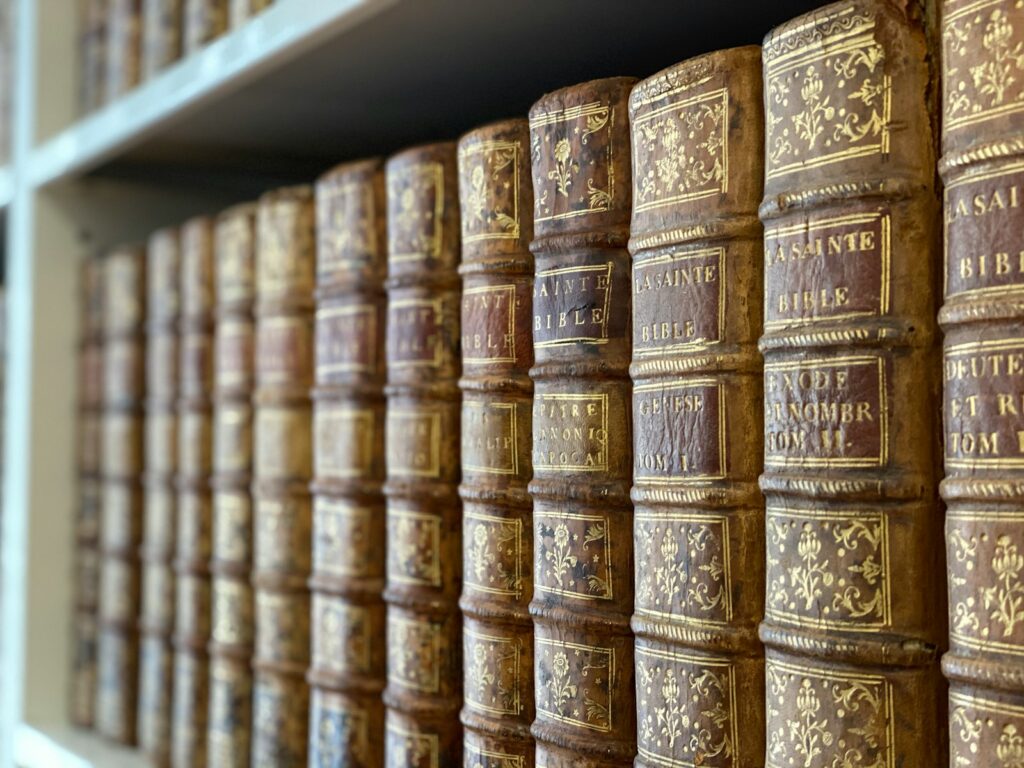
A shelf of encyclopedias was once a genuine household necessity and a point of pride, representing real investment in a family’s access to information. Today, that same information is searchable in seconds, and most encyclopedia sets sit unopened for years. Donating them, or keeping just one meaningful volume if there’s sentimental value, frees up significant shelf space without losing anything you’d actually use.
Spare Buttons and Fabric Swatches From Every Piece of Clothing
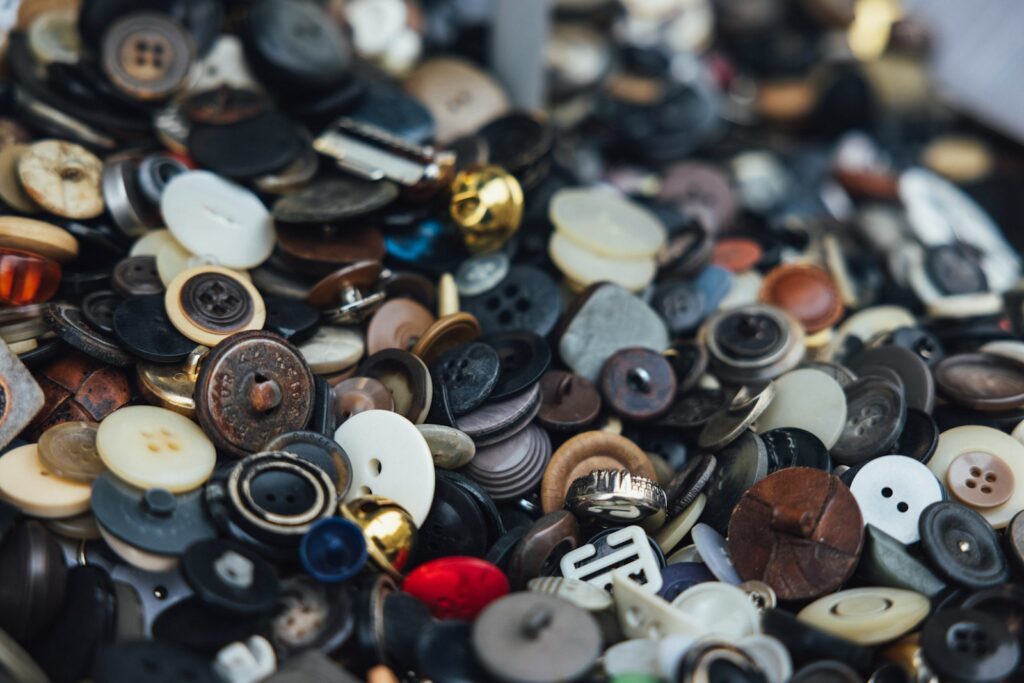
Clothing used to come with a spare button sewn to an inside seam or attached with a tag, and saving those in a tin made sense when mending clothes yourself was the norm rather than the exception. Most people today replace rather than repair, and the button tin quietly grows without ever being used. Keeping a small general sewing kit is genuinely useful; a decades-deep collection of buttons matched to clothes you no longer own is not.
An Entire Cabinet of Mismatched Tupperware
A cabinet stuffed with lids that don’t match any container and containers with no lid in sight is one of the most universal inherited habits, often built up over years of “it might come in handy.” Doing a full sort — matching every lid to its container in one sitting and recycling or donating anything without a pair — usually cuts the collection by a third or more, and it makes the cabinet dramatically easier to use day to day.
Landline Phones and Answering Machines
A dedicated home phone and answering machine were once essential household infrastructure, but most families today rely entirely on cell phones, and an old landline setup sitting in a closet or on a counter is pure nostalgia at this point rather than function. Unless there’s a specific reason to keep a landline — some rural areas and certain home security systems still use them — the old handset and machine can go.
A Closet of “Good Towels” Saved for Guests
Keeping a separate, nicer set of towels reserved exclusively for guests, while the family uses worn, thin ones daily, was once a common way to stretch a household budget and keep up appearances. It also means the best towels in the house get used the least. Rotating your good towels into regular use, or simply owning one solid set everyone uses, means nobody in your own home is using the least comfortable towels on a daily basis.