


The kitchen counter is prime real estate, and it gets treated like a landing pad for absolutely everything: mail, keys, that one appliance you use twice a year, and a fruit bowl that’s somehow always got one questionable banana in it. The problem is that counter space isn’t just about tidiness, it also affects how fast food spoils, how bacteria spreads, and how quickly a kitchen starts to feel chaotic no matter how much you clean it.
A few small changes to what actually lives on the counter can make the whole room function better and stay cleaner for longer. Here’s what to relocate.


Potatoes and Onions Stored Together
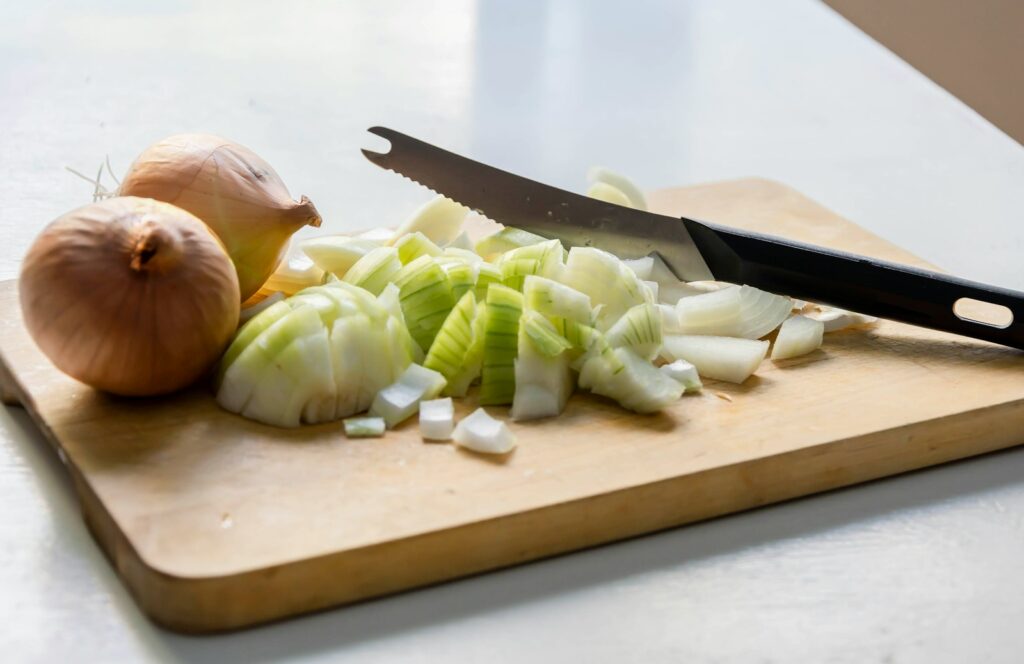
It’s common to keep a little basket of potatoes and onions side by side on the counter, but food storage experts note that onions release gases that cause potatoes to sprout and spoil faster when the two are kept close together. Store them in separate, well-ventilated containers, ideally in a cool, dark spot rather than directly under kitchen lights, to extend how long both actually stay good.
A Cluttered Knife Block With Rarely Used Blades
A full knife block sitting on the counter looks like a complete kitchen setup, but most households only regularly use two or three of those knives. The rest just take up counter space and become a surface that’s harder to wipe down and keep clean around all those handles. Keep your daily knives accessible and store specialty blades you use occasionally in a drawer with blade guards instead.
An Open Bread Box in a Humid Spot
Bread left out on the counter, whether in a box or just a bag, is exposed to ambient kitchen humidity that speeds up mold growth, especially near a sink or dishwasher vent. If you keep bread on the counter, position the bread box or bag away from steam sources and humidity, and consider refrigerating or freezing bread you won’t finish within a few days.
Cooking Oils Near the Stove
Storing a bottle of olive oil right next to the stove seems convenient for cooking, but the repeated heat and light exposure from that spot actually degrades oil faster, making it go rancid sooner than it would in a cooler, darker cabinet. If you like having oil within reach while cooking, choose a small daily-use bottle and keep the bulk supply in a pantry away from heat.
Cutting Boards With Raw Meat Residue Left Out
Leaving a cutting board out on the counter after prepping raw meat, even briefly while you finish cooking, creates an easy opportunity for bacteria to spread to nearby surfaces, sponges, and utensils. Wash and put away cutting boards immediately after use rather than letting them sit out as a workspace for the rest of meal prep, and consider a dedicated board just for raw proteins.
Small Appliances You Rarely Use
A panini press, ice cream maker, or bread machine that gets used twice a year doesn’t need permanent counter real estate the other 363 days. These appliances take up prime space that could be used for daily prep work, and they collect grease and dust while sitting out unused. Store occasional-use appliances in a cabinet or pantry and only bring them out for the actual occasion.
Mail and Paper Clutter
The kitchen counter is the most common landing spot for incoming mail, school flyers, and random paperwork, and it builds up fast because there’s no natural end point to when it gets sorted. This pile also sits close to food prep areas, which isn’t ideal from either a hygiene or a stress standpoint. A small mail sorting station near the entryway, away from the kitchen, keeps this clutter from colonizing counter space daily.
A Fruit Bowl Mixing Ethylene-Sensitive Produce
Bananas, apples, and avocados release ethylene gas as they ripen, which speeds up spoilage in other nearby produce that’s sensitive to it, like leafy greens or berries stored in the same bowl. A single mixed fruit bowl often means some pieces overripen days before you’d expect. Separating high-ethylene fruits from more delicate produce, even just into two bowls, helps everything last a little longer.