


Everyone loves the speed of a microwave, but some shortcuts are not worth the mess, weird flavors, or actual fire risk. Knowing the things you should never put in the microwave keeps dinner on track and the smoke alarm quiet. Here are eight everyday items that seem harmless at first glance but really belong anywhere except behind that microwave door.
1) Metal Containers

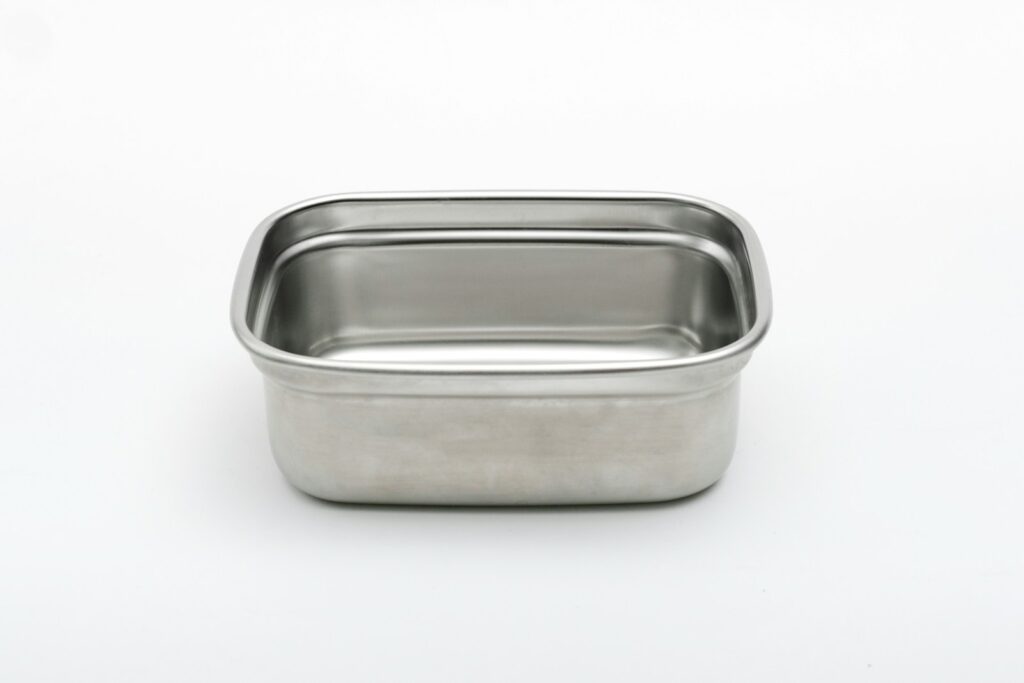
Metal Containers look sturdy and convenient, which is exactly why people keep sliding them into the microwave. The problem is that metal reflects the microwave energy instead of absorbing it, so sparks can jump between edges and the oven walls. Safety guides on Metal Containers and Utensils warn that this arcing can damage the magnetron and, in the worst case, start an electrical fire. That is a lot of risk just to avoid dirtying a plate.
There is also a food quality issue. Because the waves cannot penetrate the metal, the food inside heats unevenly or barely at all, so the outside might be scorching while the center stays cold. For families relying on quick reheats, that unevenness can mean unsafe temperatures, especially with leftovers that already spent time in the fridge. The safer move is to transfer food into glass or ceramic that is clearly labeled microwave safe before hitting start.
2) Single Use Plastics
Single Use Plastics, like takeout clamshells and thin deli containers, are another trap for anyone in a hurry. They look like they should handle heat, but guidance on Use Plastics explains that many of these items warp, melt, or leach chemicals when exposed to microwave energy. When plastic softens, additives can migrate into the food, which is especially concerning with oily dishes that pull more compounds out of the container walls.
On top of that, a warped lid can pop off and splatter sauce everywhere, turning a quick lunch into a cleanup project. Households that rely heavily on delivery are better off transferring leftovers into sturdier containers, such as Microwaveable PP tubs that are designed to handle repeated heating. That small swap cuts down on both chemical worries and kitchen disasters.
3) Paper Bags and Newspapers
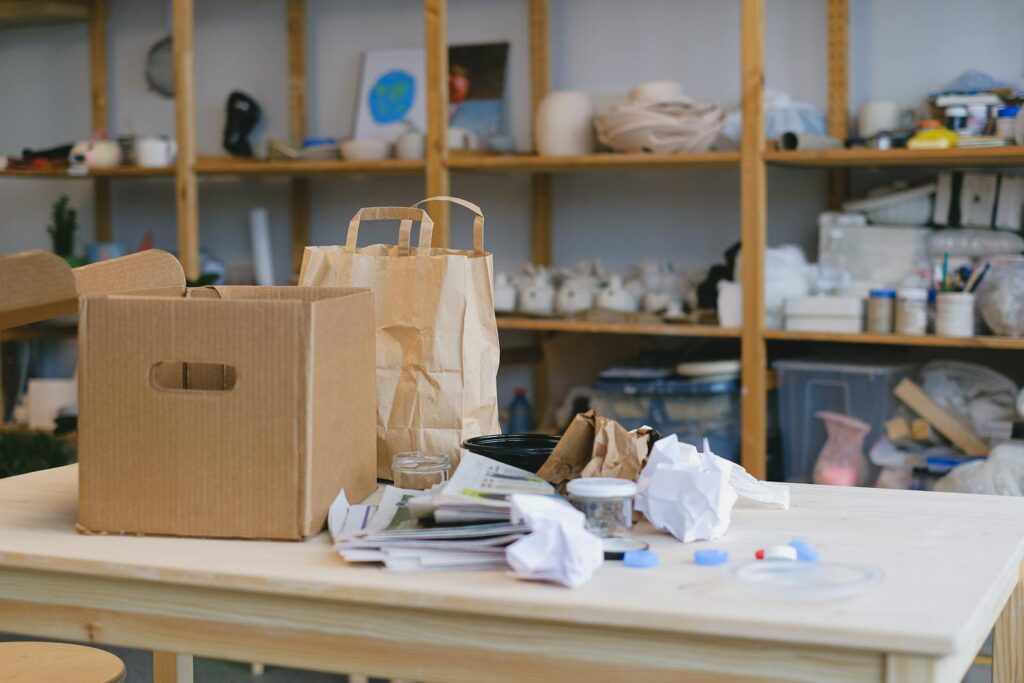
Paper Bags and newspapers seem harmless, but they are surprisingly risky inside a microwave. Guidance on Paper Bags and Newspapers notes that the thin paper can ignite when it dries out and overheats, especially around folded seams. Ink and adhesives add another layer of concern, because they are not formulated for direct food contact under high heat.
There is also the air quality problem. When paper or ink scorches, it releases fumes that linger in the microwave and can cling to whatever gets reheated next. For anyone using the microwave in a small apartment or office, that smoke can set off alarms or irritate people with asthma. A simple microwave safe bowl with a vented lid or a plain plate over the top does the same job of trapping steam without turning snack time into a fire drill.
4) Styrofoam Containers
Styrofoam containers are practically synonymous with leftovers, but they are a poor match for microwave heat. Reports on Styrofoam warn that many foam boxes soften, sag, or even melt when exposed to hot spots, especially under greasy or sugary foods. That deformation can spill food and create hot patches that burn fingers as soon as someone grabs the container.
There is also the chemical side to consider. When foam breaks down, small fragments and residues can end up in the meal, which is not something anyone wants to eat. People who bring takeout to work or send kids to school with leftovers are better off moving food into glass or heavy plastic that is clearly labeled microwave safe. It is a small extra step that protects both the appliance and everyone’s lunch.
5) Processed Meats
Processed Meats, like hot dogs and bacon, behave differently in a microwave than fresh cuts. Research on Processed Meats notes that the combination of preservatives and high fat can lead to the formation of cholesterol oxidation products (COPs) when they are blasted with intense microwave heat. Those compounds are linked in lab studies to potential cardiovascular problems, which makes the quick-cook method less appealing.
Beyond the chemistry, microwaving these meats tends to produce rubbery textures and uneven browning, so the result is not even that satisfying. For households that rely on quick breakfasts, a stovetop skillet or oven broiler spreads the heat more gently and avoids some of the worst hot spots. It takes a few extra minutes, but it keeps the focus on flavor and reduces the chance of creating unwanted byproducts in the process.
6) Whole Eggs in Shells
Whole eggs in shells are a classic microwave mistake, and the physics behind it is simple. As the egg heats, steam builds up inside the shell faster than it can escape, turning the egg into a tiny pressure vessel. Community discussions on THEY MAKE PLASMA list uncracked eggs right alongside metal and grapes as things that can explode or spark inside the oven.
When an egg finally bursts, it coats the interior with sticky, half cooked bits that are miserable to scrub off. Worse, if someone opens the door too soon, the egg can explode in their hand or face, sending scalding fragments flying. Anyone craving a quick egg is better off cracking it into a microwave safe mug, piercing the yolk, and covering it loosely so steam can vent safely while it cooks.
7) Potatoes Wrapped in Foil
Potatoes wrapped in foil might sound like a shortcut from the oven, but they are a problem in the microwave. Guidance on Foods to Avoid Putting in the Microwave notes that potatoes often house Clostridium botulinum spores when they are cooked and then cooled in low oxygen conditions, like inside foil. Reheating that foil wrapped potato in a microwave does not reliably kill the toxin if it has formed, which raises a serious food safety concern.
Foil also acts like any other metal, reflecting energy and creating hot spots that can spark against the oven walls. The safer routine is to discard the foil, store baked potatoes in the fridge without tight wrapping, and reheat them uncovered or loosely covered on a microwave safe plate. That way, the heat can reach the center evenly and the risk of both arcing and bacterial growth stays low.
8) Nothing At All
Nothing at all inside the microwave might sound harmless, but running an empty oven is rough on the hardware. When there is no food or liquid to absorb the energy, the microwaves bounce around and feed back into the magnetron. Safety explainers on Microwaves describe how that reflected energy can overheat internal components and shorten the life of the appliance.
People sometimes hit start for a few seconds to use the interior light as a nightlight or to time something, but that habit slowly cooks the machine instead of the food. Over time, it can lead to strange noises, uneven heating, or complete failure, which is an expensive way to keep track of a countdown. If a quick timer is all that is needed, a phone or oven clock is a much cheaper and safer option.
More from Decluttering Mom: