


By the time most items reach the trash bag, nobody’s stopping to check for a label. Something looks old, worn, or simply out of style, and it goes without a second thought about where it came from or who made it.
That one habit — flipping something over before tossing it — is the difference between throwing away trash and throwing away money. Here are eight categories where the label or stamp tells the real story.
Clothing Union and Designer Tags
Worn-out looking garments sometimes carry a union label or designer tag inside the collar or waistband that tells a very different story than the garment’s outward condition suggests, according to vintage fashion identification guides. Checking these labels before discarding worn clothing takes only a moment and can reveal a piece with real resale interest to vintage clothing buyers. The label of the International Ladies’ Garment Workers’ Union, founded in 1900, is the one that guide uses for dating, because its design changed on known dates. Wording that includes AFL-CIO came after those two groups merged in December 1955. A small “R” trademark symbol was added in 1964. A red, white and blue version arrived in 1974, and labels reading “UNITE!” followed a 1995 merger. So a quick look can place a dress or coat within a decade or so. Check side seams and skirt linings as well as the neckline. Leave every tag sewn in, since buyers want to see it attached.
China and Pottery Backstamps
The mark on the underside of a plate, bowl, or figurine is the single most important clue to what you’re actually holding, since two nearly identical-looking pieces can have wildly different values depending on manufacturer, according to pottery value guides. Never toss chipped or seemingly ordinary dishware without checking this mark first. McCoy is a good example. Chairish’s guide says the pottery started in 1899 and stopped production in 1991, and that its cookie jars range from less than one hundred dollars to thousands. The same guide says bright color and an intact glaze push prices up, while chips and repairs cut them sharply, and that plain functional stoneware brings less than decorative pieces. Marks can be printed, impressed into the clay or raised in the mold, so tilt the base under a lamp if you see nothing at first. Photograph the mark and search the exact wording. Wash gently with a soft cloth only, because scrubbing can remove a printed stamp.
Silver Hallmarks
A tarnished, dull-looking piece of flatware or jewelry might seem headed for the trash, but a hallmark reading “sterling” or “925” means real silver content is at stake, according to silver hallmark guides. This is one of the fastest, highest-value checks you can make before throwing away anything silver-colored. Sterling is 92.5 percent pure silver, which is where the 925 comes from. English sterling carries a lion with one paw raised, and pieces marked “coin” are 90 percent silver. The marks that mean plated, not solid, are just as useful to know. That guide lists EPNS, EPBM, EP and BP, all of which indicate a thin silver layer over base metal. On spoons, look on the back of the handle just below the bowl. On bowls and trays, look underneath. A magnifying glass helps, since the marks are tiny and tarnish fills them in. Do not polish hard before you have identified a piece. Sort sterling from plate, then weigh or price the sterling separately.
Furniture Maker’s Labels
A piece of furniture that seems too damaged or dated to be worth repairing might carry a maker’s label inside a drawer or on a back panel that changes the calculation entirely, according to furniture identification guides. Even furniture bound for the curb deserves a quick label check first. That guide describes several kinds of mark: ink stamps that may have faded, small ivory-colored labels, embossed metal tags held on with tiny nails or screws, and names carved, branded or stamped into the wood itself. It says to look on the undersides of drawers, on back panels, inside or underneath the frame and on legs or stretchers. Pull every drawer all the way out and turn it over. Use a flashlight held low and to the side, which makes a faint stamp or brand stand out. If there is no mark at all, the guide points to construction, materials and joinery as the next clues. Never peel off a paper label or sand a stamped area during cleanup.
Book Copyright Pages
A water-damaged or torn book might seem obviously destined for recycling, but the copyright page can reveal whether it’s a first edition worth researching before it’s discarded, according to rare book identification guides. Even a damaged first edition can sometimes be worth more than a pristine later printing. The page sits on the back of the title page. Look first for the words “first edition” or “first printing.” Then look for a row of numbers, which AbeBooks says publishers have commonly used since World War II. If a 1 is in the row, it is usually a first printing, whatever order the numbers run in. The two clues need to agree. AbeBooks notes that some publishers leave “first edition” on later printings, so a line that starts at 3 means a third printing. For books from before 1900, a date on the title page that matches the copyright date is a good sign. Keep the dust jacket with the book, however tattered it looks.
Jewelry Clasp Signatures
A broken or tangled piece of costume jewelry headed for the trash might carry a tiny signature on its clasp that identifies it as a piece from a recognized mid-century maker, according to jewelry appraisal guides. Damaged jewelry is often still worth researching, and sometimes repairing, before you discard it. Trifari shows how much a mark can tell you. WorthPoint’s entry says most pieces made after 1937 are marked Trifari with a crown over the T, and that many made after 1955 add a copyright symbol. It also says the company used sterling silver from 1942 to 1947, so a Trifari piece that is also stamped sterling usually points to those years. Signatures hide in small places. Check the clasp and the tag beside it on necklaces and bracelets, the back of a brooch near the pin, and the clip or screw fitting on earrings. Use a magnifying glass and good light. Keep matching pieces together, and bag any loose stones with the piece they fell from.
Cast Iron Underside Logos
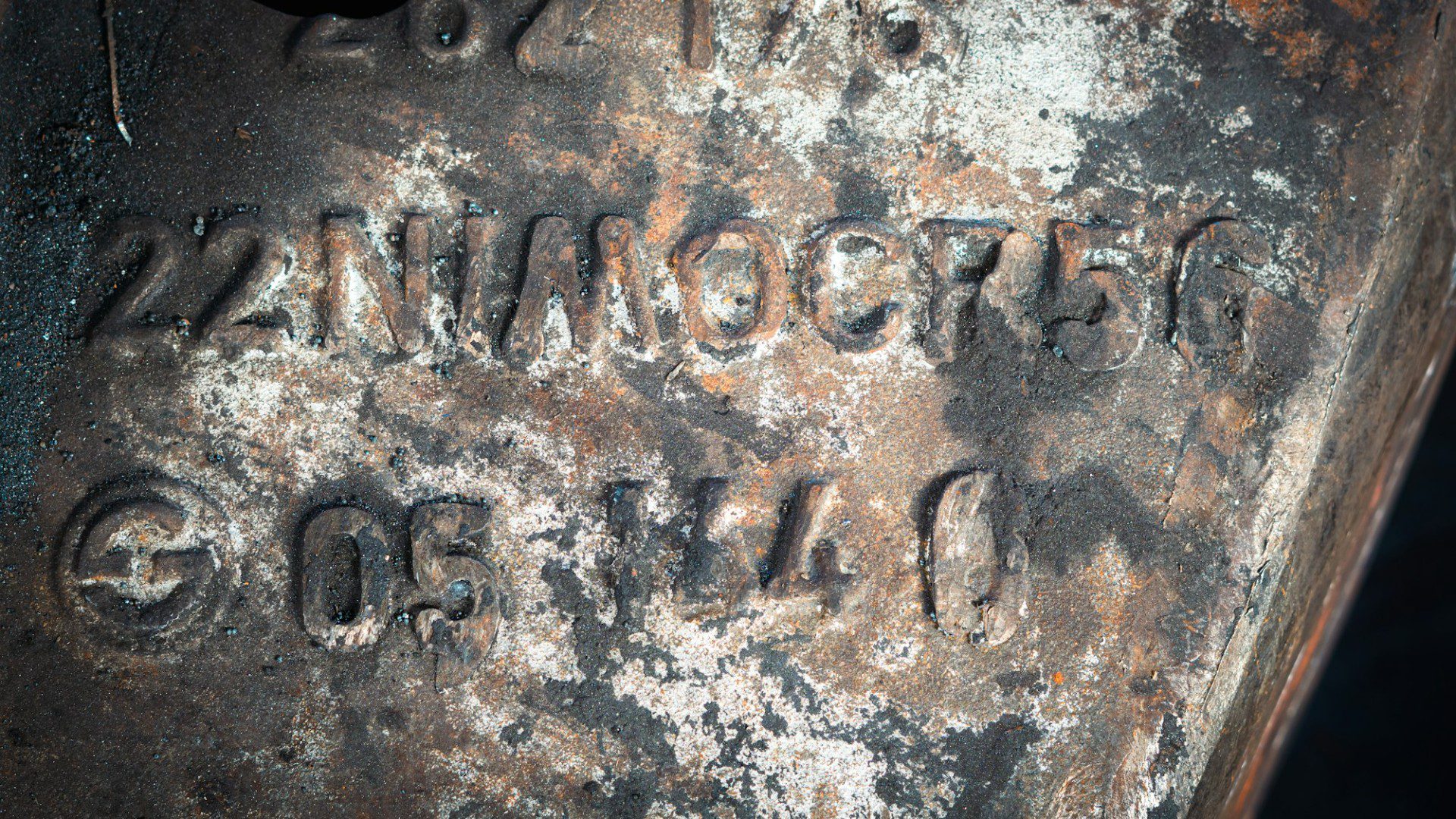
Rust alone shouldn’t send a piece of cast iron cookware to the scrap pile, since the logo on the underside can identify a manufacturer whose products are collectible once restored, according to cast iron identification resources. Check this mark before assuming rust means a pan is beyond saving. The other markings need some decoding. The Cast Iron Collector explains that the large size number is not the diameter in inches. It refers to the stove openings on old wood-burning ranges, and the real measurement varied from one maker to another. A letter after the number identifies which working pattern cast the pan, and the site says collectors generally do not care which letter appears. Small stray letters or digits are molder’s marks that tracked a foundry worker’s output. Scrub the base with a stiff brush to bring up the lettering. Then check for cracks, deep pitting and a warped bottom by setting the pan on a flat counter. Those flaws matter far more than surface rust.
Glassware Pattern Stamps
A chipped or cloudy piece of glassware seems like an obvious candidate for the trash, but the pattern or the maker’s stamp on the bottom can reveal a piece that is still worth keeping as part of a larger set or for research, according to pattern identification guides. A sound lid or bowl in a hard-to-find pattern can be worth holding on to even when the rest of the set is damaged. Maker’s marks on glass are usually molded into the base and can be very faint. Hold the piece at an angle to a window, or rub a pencil over thin paper laid on the mark. Note any numbers, since they often identify the shape or size. The decoration is identified by eye, so photograph it and compare it with a pattern guide. Then judge condition honestly. Printed colors that have turned dull and chalky were damaged by the dishwasher, and that cannot be reversed. Chips on the rim and scratches inside lower value as well.