



By the time most items reach the trash bag, nobody’s stopping to check for a label. Something looks old, worn, or simply out of style, and it goes without a second thought about where it came from or who made it.
That one habit — flipping something over before tossing it — is the difference between throwing away trash and throwing away money. Here are eight categories where the label or stamp tells the real story.

Clothing Union and Designer Tags
Worn-out looking garments sometimes carry a union label or designer tag inside the collar or waistband that tells a very different story than the garment’s outward condition suggests, according to vintage fashion identification guides. Checking these labels before discarding worn clothing takes only a moment and can reveal a piece with genuine resale interest to vintage clothing buyers.
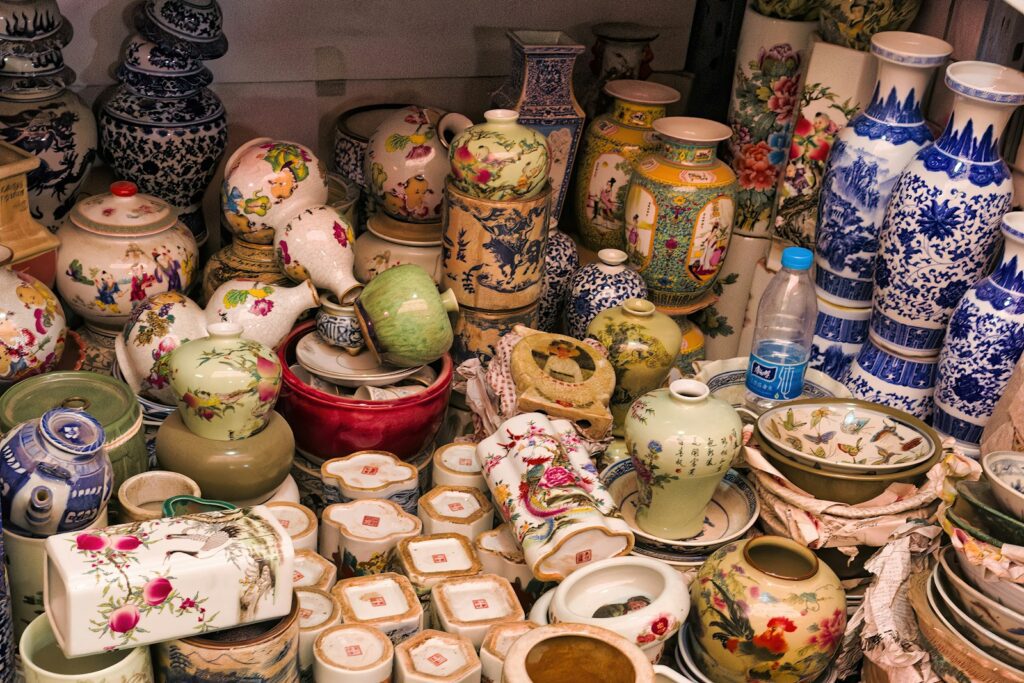
China and Pottery Backstamps
The mark on the underside of a plate, bowl, or figurine is the single most important clue to what you’re actually holding, since two nearly identical-looking pieces can have wildly different values depending on manufacturer, according to pottery value guides. Never toss chipped or seemingly ordinary dishware without checking this mark first.
Silver Hallmarks
A tarnished, dull-looking piece of flatware or jewelry might seem headed for the trash, but a hallmark reading “sterling” or “925” means real silver content is at stake, according to silver hallmark guides. This is one of the fastest, highest-value checks you can make before throwing away anything silver-colored.
Furniture Maker’s Labels
A piece of furniture that seems too damaged or dated to be worth repairing might carry a maker’s label inside a drawer or on a back panel that changes the calculation entirely, according to furniture identification guides. Even furniture bound for the curb deserves a quick label check first.
Book Copyright Pages
A water-damaged or torn book might seem obviously destined for recycling, but the copyright page can reveal whether it’s a first edition worth researching before it’s discarded, according to rare book identification guides. Even a damaged first edition can sometimes be worth more than a pristine later printing.
Jewelry Clasp Signatures
A broken or tangled piece of costume jewelry headed for the trash might carry a tiny signature on its clasp that identifies it as a piece from a recognized mid-century maker, according to jewelry appraisal guides. Damaged jewelry is often still worth researching, and sometimes repairing, rather than discarding outright.
Cast Iron Underside Logos
Rust alone shouldn’t send a piece of cast iron cookware to the scrap pile, since the logo on the underside can identify a manufacturer whose products are genuinely collectible once restored, according to cast iron identification resources. Check this mark before assuming rust means a pan is beyond saving.
Glassware Pattern Stamps
A chipped or cloudy piece of glassware seems like an obvious candidate for the trash, but the pattern name or maker’s stamp on the bottom can reveal a piece that’s still worth keeping for parts of a larger set or for research purposes, according to pattern identification guides. Even damaged glass in a rare pattern is sometimes worth more disassembled for individual undamaged pieces than an entire intact but common set.