


You probably have a mental “for guests” shelf in your home, stocked with things you almost never use. That habit can quietly drain money, space, and energy, especially when it is rooted in outdated ideas about hospitality and status. By looking closely at what you are saving for guests you never have, you can see how inherited expectations shape your spending and decide what actually serves your life now.
1) The Fancy Dishes You Never Take Down

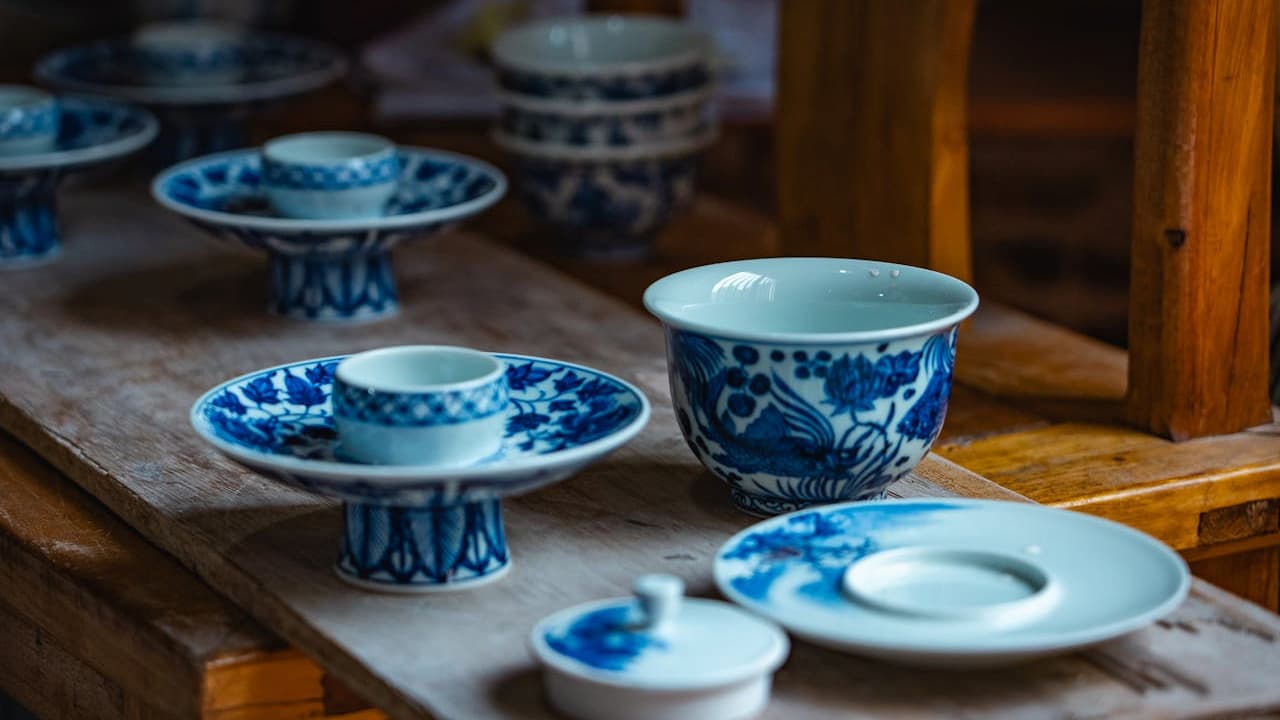
The fancy dishes you never take down often live in a top cabinet or china hutch, waiting for a dinner party that never materializes. You may have inherited them or bought them because older relatives insisted that “real adults” own a full formal set. That mindset mirrors generational money advice that treats certain purchases as nonnegotiable markers of success, even when your actual lifestyle does not match the script.
When you keep fragile plates and crystal “for company,” you also keep your everyday meals feeling second tier. Analysis of generational attitudes toward spending on status symbols shows how easily people prioritize appearances over practical use. The result is a cupboard full of sunk costs and emotional obligation. Using those dishes on a random Tuesday, or selling what you truly dislike, can reclaim both storage and self-respect.
2) Guest Towels That Never Get Wet

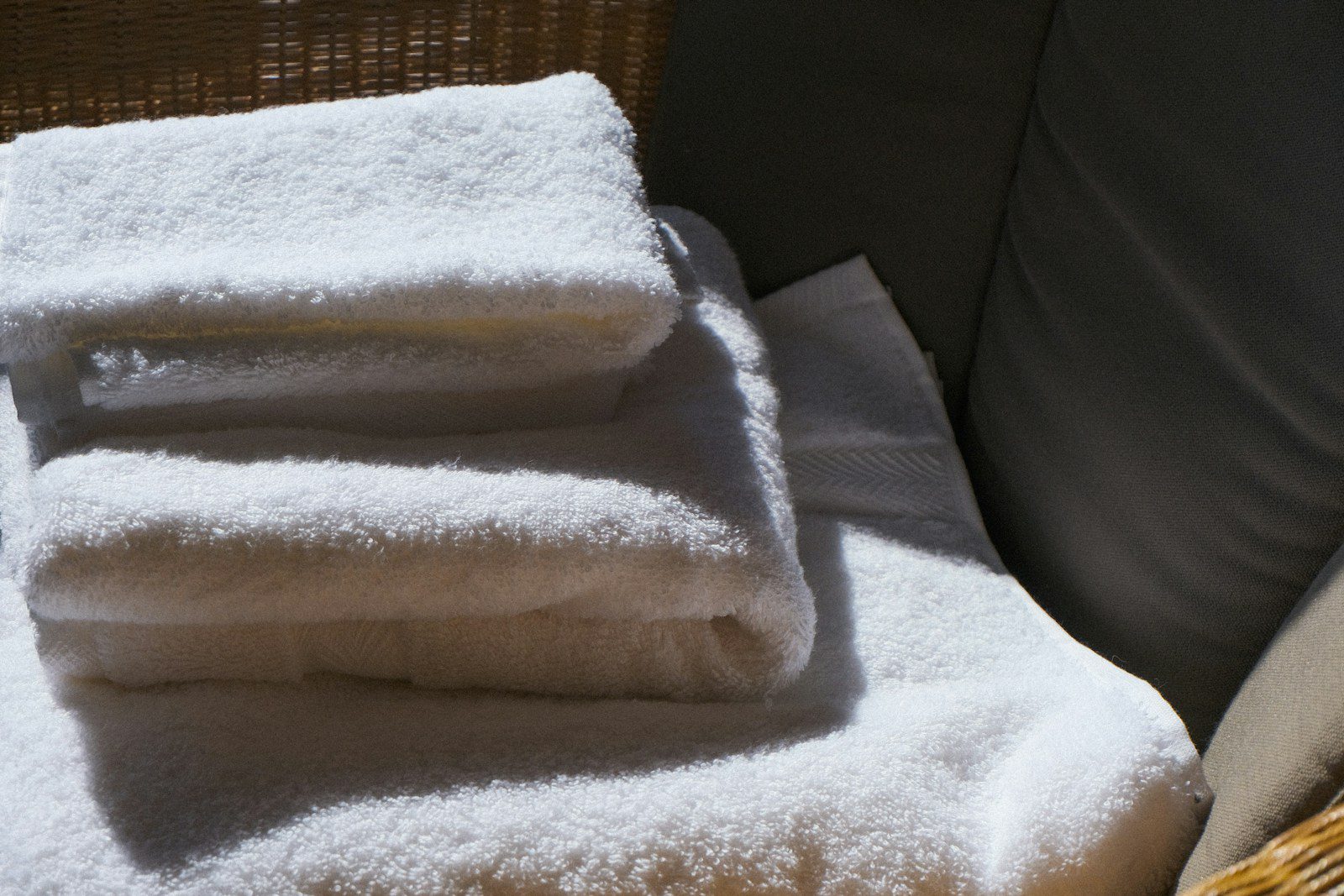
Guest towels that never get wet are another classic example of saving your best for hypothetical visitors. They hang perfectly folded in the bathroom or sit in a basket, while you reach for older, worn-out towels every day. This split between “guest quality” and “your quality” quietly reinforces the idea that other people deserve better treatment than you do in your own home.
That hierarchy echoes broader social conditioning that tells you to present a polished surface to outsiders while hiding the real wear and tear. Critical work on neoliberal newspeak describes how language and norms can normalize double standards and internalized second-class status. In your bathroom, that looks like pristine towels no one uses. Letting yourself use the “good” ones daily is a small but powerful correction.
3) A Fully Stocked Bar for Imaginary Cocktail Parties

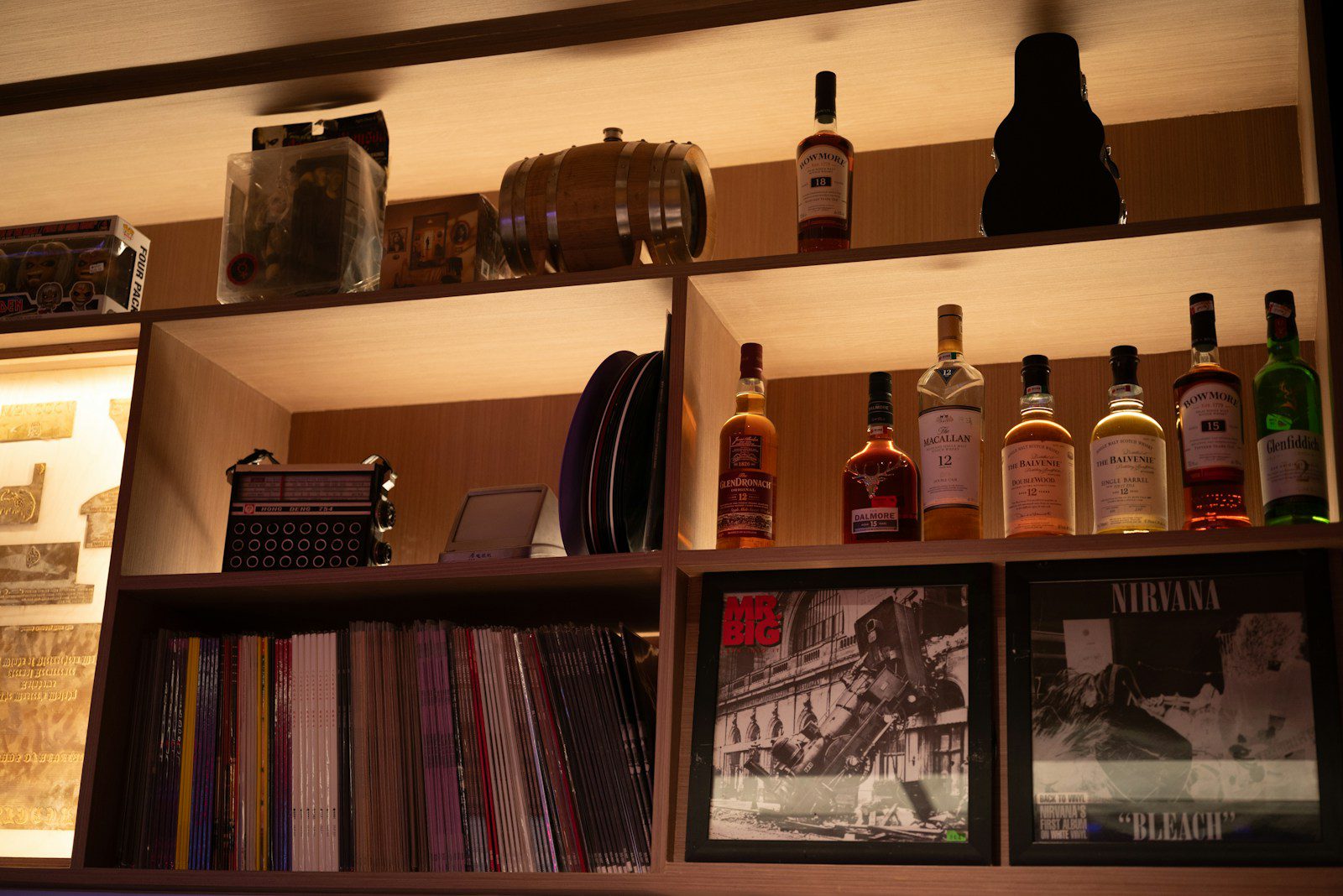
A fully stocked bar for imaginary cocktail parties often starts with the belief that adult hosting requires a lineup of spirits, mixers, and glassware. You might own bottles of gin, vermouth, or triple sec that you never touch, purchased for a party you meant to throw or a persona you thought you needed. Over time, that shelf becomes a museum of unused intentions and expired ingredients.
Keeping a bar you rarely use ties up money in products that degrade and space that could hold things you actually enjoy. It also reflects a script where hospitality is measured by how many options you can offer, not by whether anyone is actually there to drink them. Curating a small selection you genuinely like, or skipping alcohol entirely, aligns your home with your real social life instead of an aspirational fantasy.
4) Extra Bedding for a Guest Room That Stays Empty
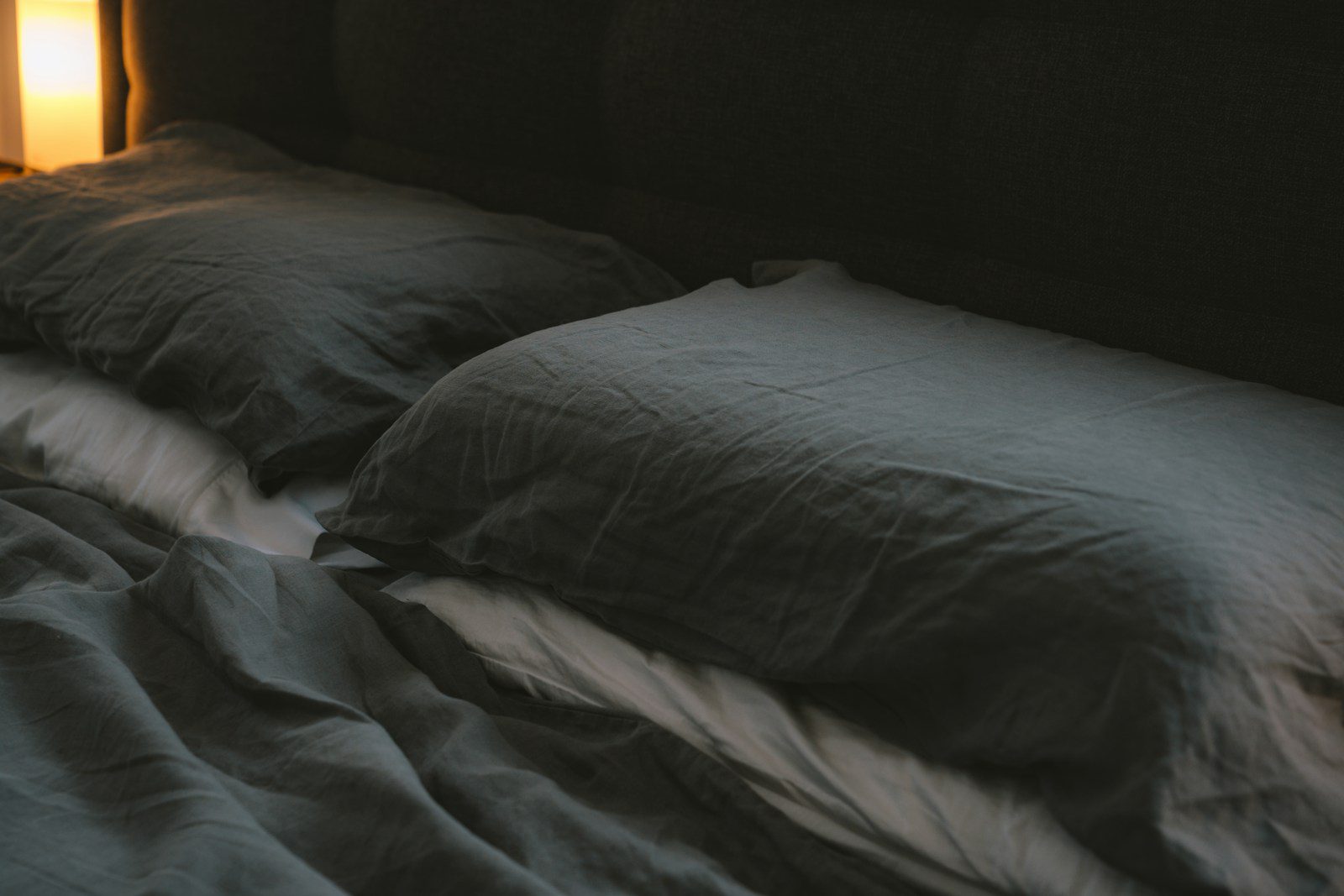
Extra bedding for a guest room that stays empty often includes multiple sheet sets, decorative pillows, and seasonal comforters. You may maintain a perfectly made bed in a room no one sleeps in, just in case relatives visit or a friend needs a place to crash. The linens are washed, folded, and stored, yet months or years pass without anyone disturbing the arrangement.
That unused softness represents both financial and spatial opportunity cost. You are heating, cooling, and cleaning a room that functions more as a showroom than a living space. Reframing the guest room as a multipurpose office, hobby space, or workout area, while keeping one practical bedding set on hand, lets your home serve your daily needs instead of a rare overnight guest.
5) “Company-Only” Coffee, Tea, and Snacks
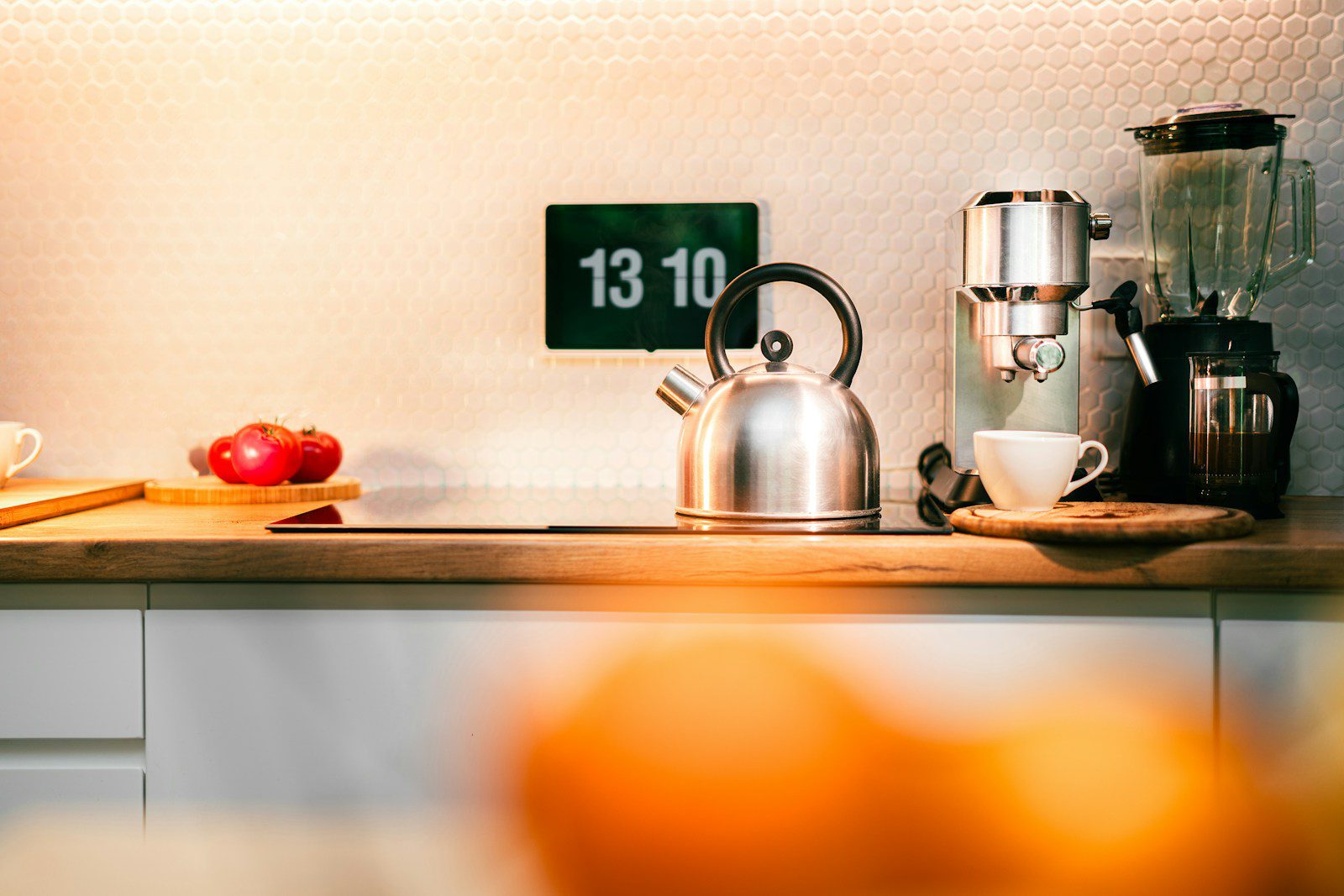
“Company-only” coffee, tea, and snacks often sit in a separate section of your pantry, reserved for visitors. You might buy premium beans, herbal blends, or brand-name crackers that you never open because you are waiting for the right occasion. Meanwhile, you drink the cheaper coffee and eat the broken crackers, even though you paid for everything in that cupboard.
This pattern turns hospitality into a performance where guests get the curated experience and you get the leftovers. Over time, those untouched items can go stale or expire, turning good intentions into waste. Treating yourself to the high-quality coffee or specialty tea you bought “for guests” acknowledges that your everyday routines are worthy of comfort and care, not just the rare social drop-in.
6) A Perfectly Set Dining Table
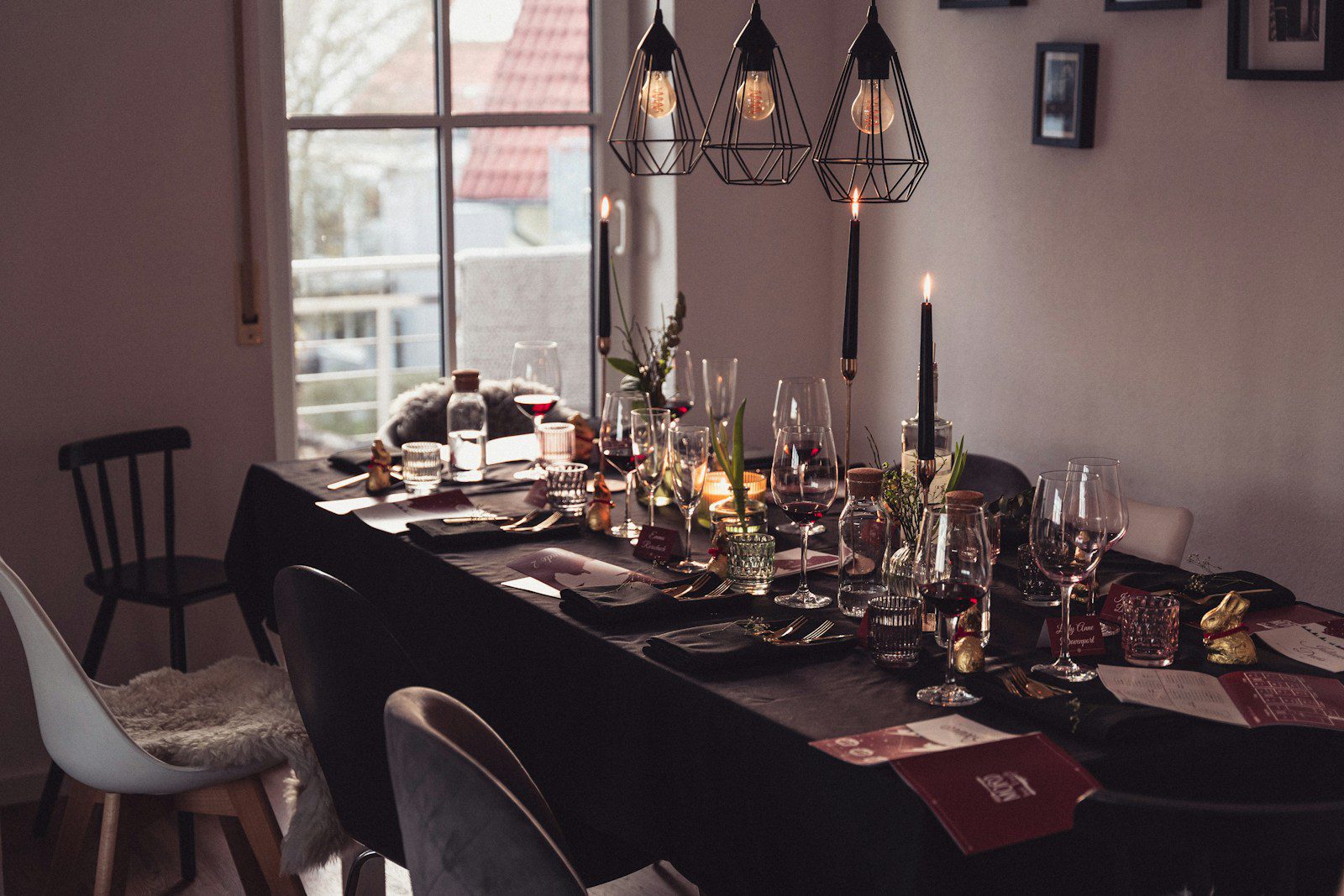
A perfectly set dining table, complete with placemats, chargers, and centerpieces, can become a permanent installation that no one actually eats at. You may keep it staged because it looks impressive or because you grew up believing a formal table signaled a well-run home. In practice, you probably eat at the kitchen counter, on the sofa, or at a smaller table that is easier to clean.
Leaving the big table untouched turns it into a decorative altar to an imagined social life. It also discourages spontaneous use, since you would have to dismantle the display just to sit down. Clearing the table and using it for work, crafts, or everyday meals brings that square footage back into circulation and aligns your space with how you really live, not how you think you should appear.
7) Decorative Soaps and Candles You Never Light
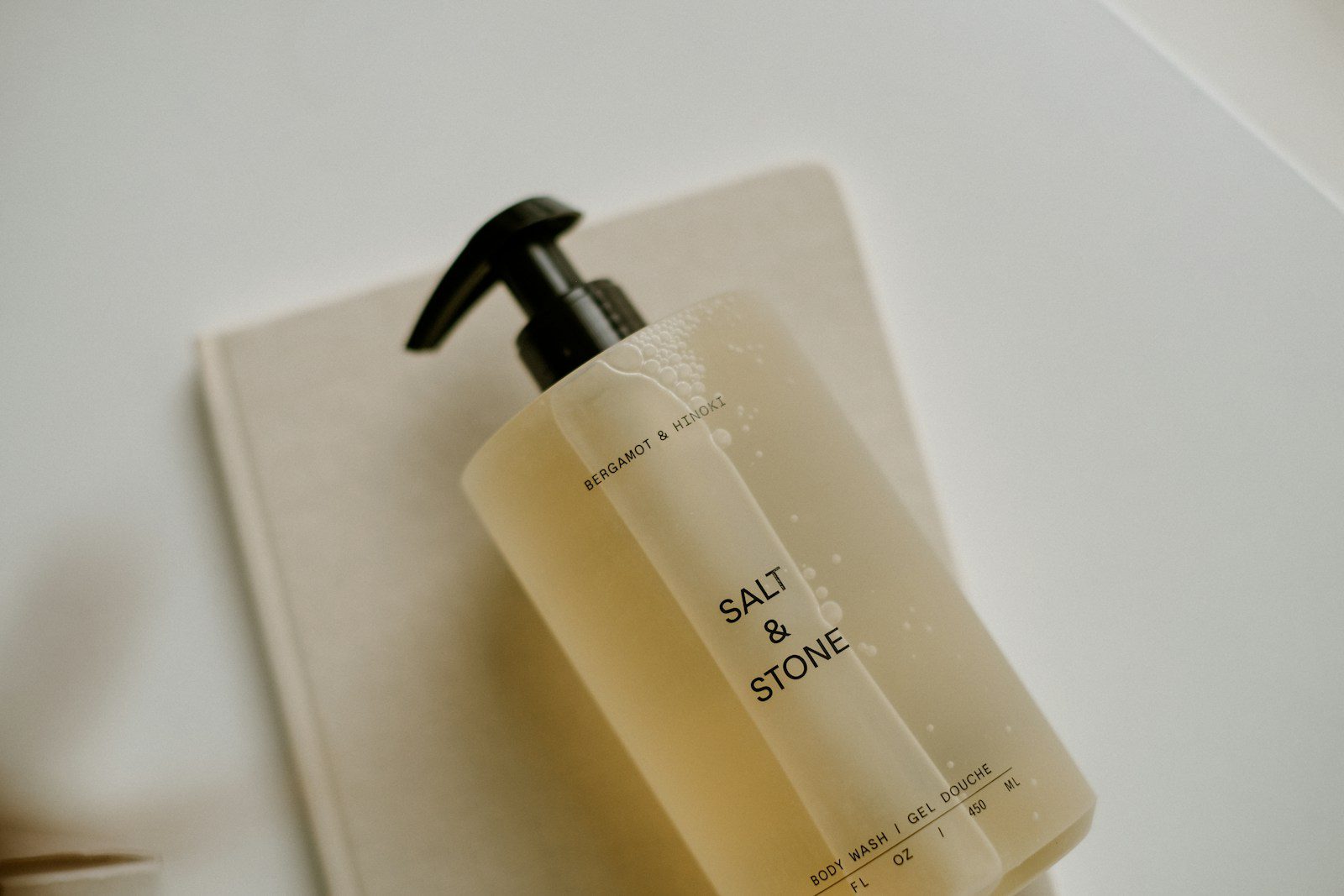
Decorative soaps and candles you never light often cluster in bathrooms and living rooms, chosen for their packaging or scent but preserved like museum pieces. You might worry about “ruining” them or feel they should be saved for special occasions. As a result, dust collects on items that were designed to be used up, not displayed indefinitely.
This reluctance to enjoy consumables mirrors a scarcity mindset, where using something nice feels irresponsible unless it is for someone else. Yet unburned candles and untouched soaps eventually lose fragrance or discolor, giving you neither beauty nor function. Lighting the candle during a quiet evening or unwrapping the fancy soap for your own shower turns static decor into lived experience and reminds you that you are not just the caretaker of your things.
8) Extra Seating for Parties That Never Happen
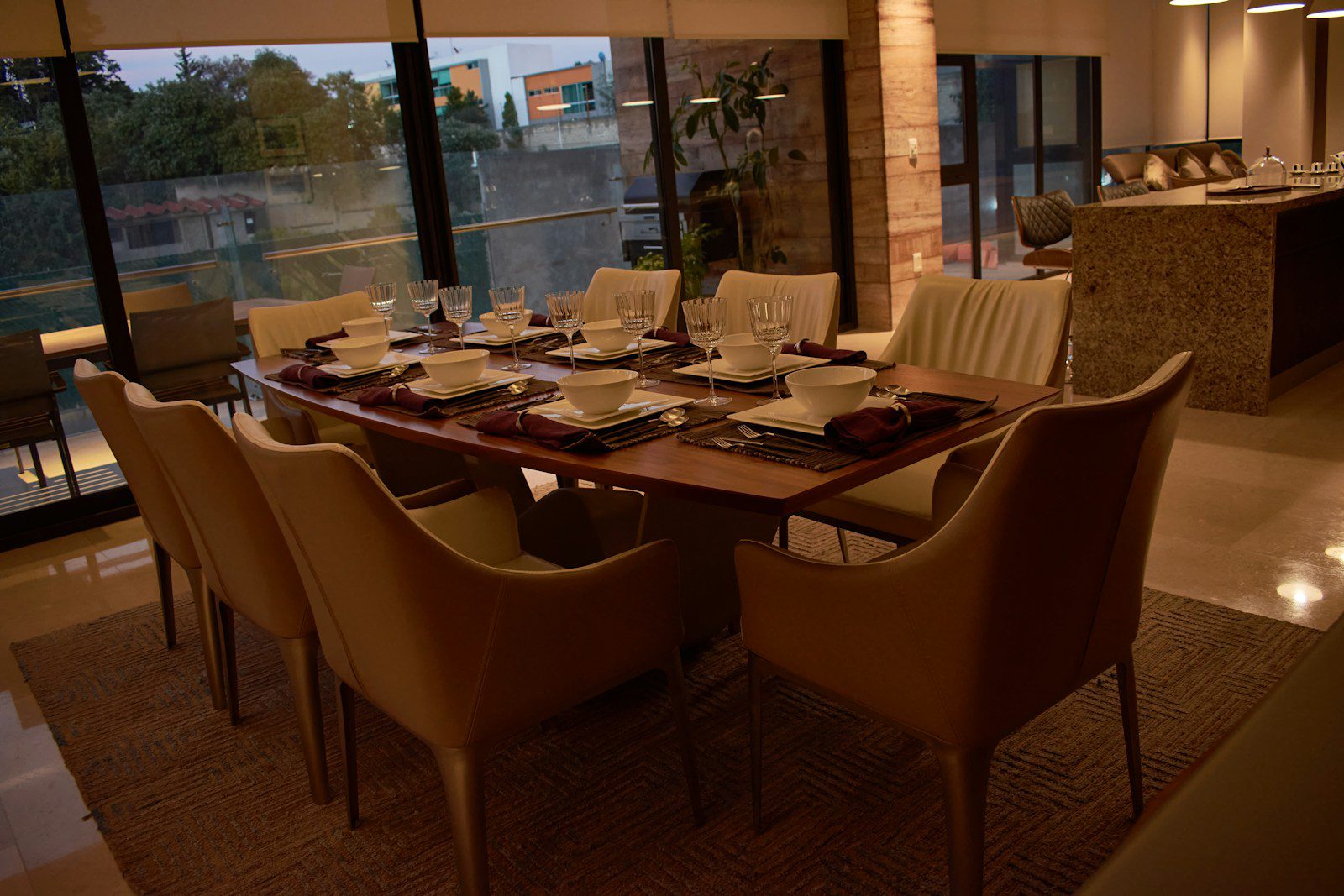
Extra seating for parties that never happen can include folding chairs, barstools, or even a second sofa that mostly gathers dust. You might have bought them anticipating game nights, big family holidays, or watch parties that never became a habit. Those chairs occupy closets, hallways, or corners, silently insisting that a more social version of your life is just around the corner.
Holding on to bulky seating for hypothetical crowds can crowd out what you actually need, such as storage for hobbies or a calmer, more open layout. Evaluating how often you host and how many people realistically show up helps you right-size your furniture. Keeping a few versatile pieces and letting go of the rest frees your home from the pressure of living up to an imagined guest list and centers the people who are there every day: you.
More from Decluttering Mom: