


When a room gets updated, the big furniture pieces usually get the most attention during a purge. Smaller decor items — mirrors, clocks, vases, and the like — often get swept out with far less consideration, treated as accessories rather than assets.
In plenty of cases, though, those smaller pieces are worth more than the sofa or dresser they’ve been sitting next to for years. Here are eight to evaluate carefully.


Gilt-Framed Mirrors
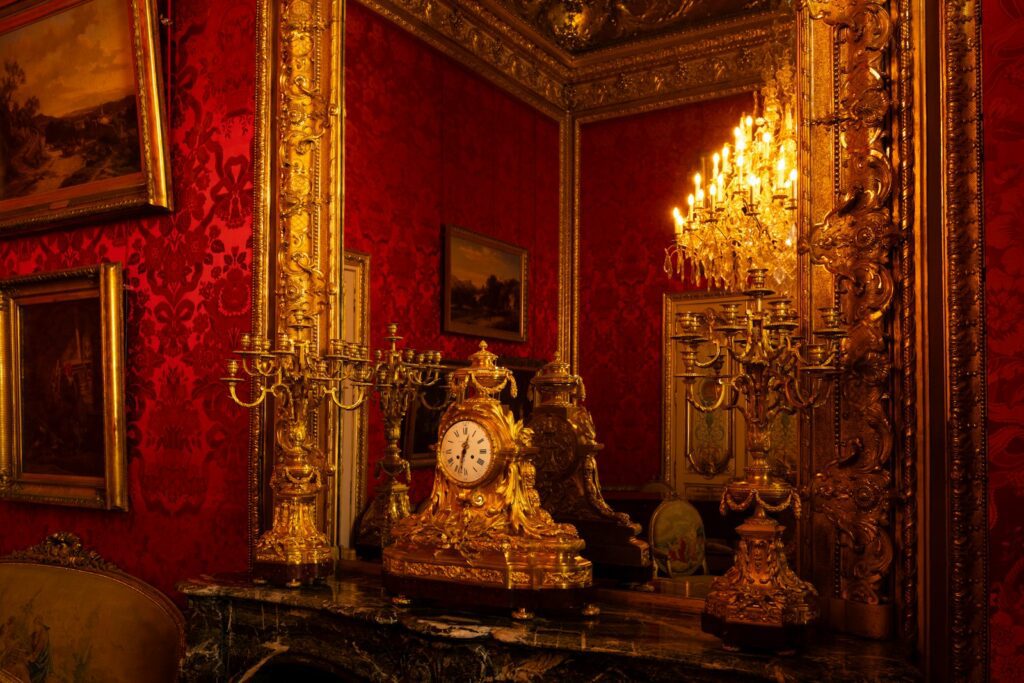
Ornate mirrors with elaborately carved and gilded wood frames were a hallmark of formal decorating for generations, and well-preserved examples remain genuinely desirable to collectors and decorators alike. Look closely at the gilding technique; hand-applied gold leaf has a subtly uneven, warm quality that differs from the flatter look of modern gold paint. A heavy wood frame with intact, detailed carving is typically worth considerably more than a lightweight, mass-produced imitation of similar style.
Mantel Clocks
Decorative clocks meant for display on a mantel or shelf, especially those with visible mechanical movements rather than simple battery-powered quartz mechanisms, hold real appeal for antique clock collectors. Check the back or base for a manufacturer’s name, and listen for a steady, even ticking sound if the clock still runs, since a functioning mechanical movement generally adds significant value over a purely decorative case with no working parts.
Solid Brass Decorative Objects
Candlesticks, andirons, bookends, and other decorative brass objects are often tarnished to the point of looking like dull, unremarkable metal, which leads many people to underestimate them entirely. A quick polish on an inconspicuous spot can reveal whether a piece is solid brass throughout or simply brass-plated over a lesser metal, and solid brass pieces generally carry both decorative and modest scrap value that plated versions don’t.
Original Artwork and Signed Prints
Paintings and prints inherited along with furniture are frequently treated as an afterthought, hung mostly for sentimental reasons rather than evaluated for potential worth. A signature in the corner, even an unfamiliar one, is worth researching before assuming a piece is simply decorative. Limited edition prints, in particular, often include a numbered edition size printed in pencil beneath the image, which can help establish scarcity and, in turn, value.
Art Pottery Vases
Hand-thrown or hand-finished vases from dedicated art pottery studios, as opposed to mass-produced decorative vases, often carry a distinctive glaze technique and a small incised or stamped studio mark on the base. These marks are the key to identifying whether a vase came from a well-regarded pottery studio or a generic manufacturer, and that distinction can mean a considerable difference in value for pieces that otherwise look quite similar at a glance.
Hand-Knotted Area Rugs
Large area rugs are frequently treated as disposable once they show wear, but genuinely hand-knotted rugs, as opposed to machine-made equivalents, represent a significant amount of skilled labor and can retain real value even with visible wear in high-traffic areas. Checking the underside of a rug can reveal the knotting structure, since hand-knotted rugs show visible individual knots rather than the uniform woven backing typical of machine-made rugs.
Decorative Compotes and Centerpiece Bowls
Large decorative bowls and pedestal compotes, often made of cut glass, silver, or fine ceramic, were once a staple of formal dining room displays and are now frequently relegated to storage once entertaining styles shift. These pieces remain popular with collectors who specifically seek out serving and display pieces to complete sets, so it’s worth checking for a maker’s mark and matching pattern to any other tableware already identified in the same household.
Wall Sconces
Decorative wall-mounted light fixtures, particularly those with brass, crystal, or hand-painted glass elements, are often removed during a renovation and discarded rather than reused or sold. Matching pairs are considerably more desirable than single sconces, since these fixtures were traditionally installed and sold in sets. A sconce with its original wiring, even if it needs updating for safety, is generally more valuable than one that’s been heavily modified from its original design.