


Yard sale pricing tends to move fast and loose. When you’re trying to clear out a house in a weekend, it’s tempting to slap a dollar sticker on anything that looks old and move on to the next box.
But a dollar price tag on the wrong item can mean giving away real money to the first person who walks up with cash. Before you sticker everything the same, check these nine categories individually.

Costume Jewelry
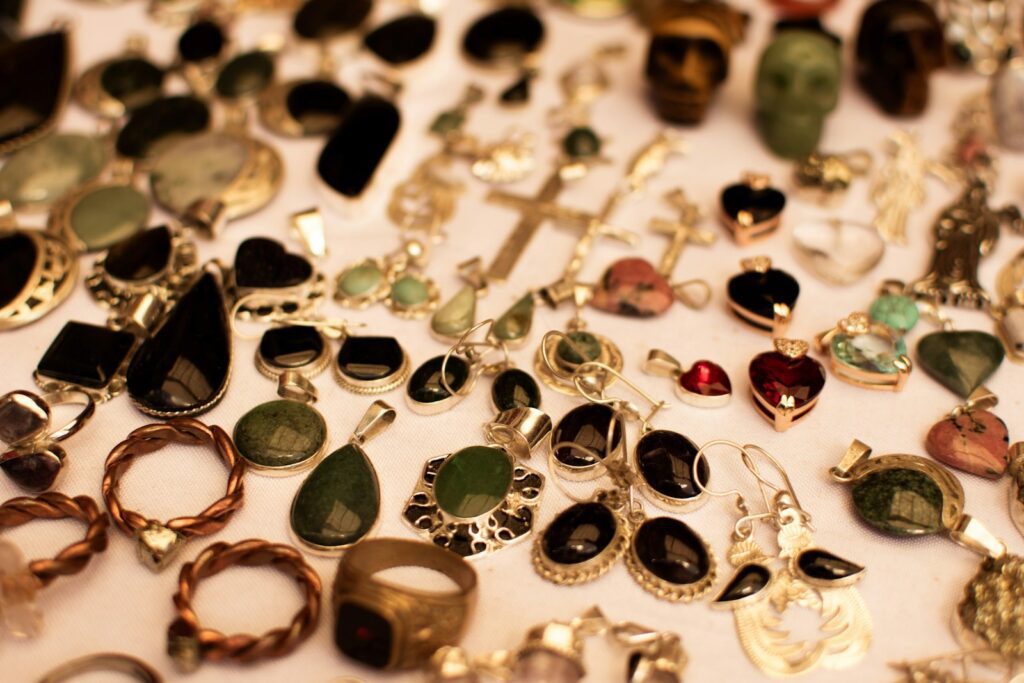
Signed pieces from recognized mid-century makers, identifiable by a small stamp on the clasp or back, are worth pulling aside and pricing individually rather than tossing into a general dollar bin, according to jewelry appraisal guides. Trifari shows how much a mark can tell you. The same guide notes that most of the company’s jewelry made after 1937 carries a crown over the letter T, that earlier pieces were stamped KTF, and that pieces from 1942 to 1947 were made in sterling silver, sometimes with a gold wash.
Turn every brooch, necklace and clip earring over and look at the back, the clasp and the pin stem with a magnifying glass. Set aside anything with a maker’s name, the word “sterling” or a patent number. Then check the condition: missing stones, green corrosion and worn plating all pull the price down, while matched sets and original boxes push it up. Unsigned pieces with missing stones are the ones that belong in the dollar bin.
Cast Iron Cookware
A rusty skillet might look like a dollar item at best, but certain vintage cast iron logos and sizes are worth meaningfully more to collectors who actively hunt yard sales specifically for this category, according to cast iron identification resources. Check the underside for a logo before pricing any cast iron piece as a throwaway item.
The large number on the handle or bottom is not the diameter in inches. That same resource explains that it matches the burner openings on old wood stoves, so a No. 8 skillet measures closer to nine inches across the bottom. A three- or four-digit number is a pattern or catalog number; Griswold, for instance, used 699 for its No. 6 skillet. Write down every word and number you find and look them up before you price. Surface rust comes off with scrubbing and re-seasoning, so it should not scare you. Cracks, a wobble on a flat counter and deep pitting are the flaws that actually cut value.
Pyrex and Vintage Glassware
Colorful nesting bowls in discontinued patterns are one of the most commonly underpriced yard sale items, since a pattern that looks merely old-fashioned to most sellers can be genuinely rare to a collector who recognizes it on sight, according to Pyrex pattern guides. A quick pattern search before pricing can prevent a significant underpricing mistake.
The Corning Museum of Glass keeps a free Pyrex pattern library with photos and production dates, which makes matching easy. It dates Butterprint to 1957 through 1968 and Gooseberry to 1957 through 1966. Short-run promotional pieces are the ones to watch for. The museum calls the 1959 Lucky in Love casserole, with green clovers and pink hearts, one of the most elusive Pyrex designs and says it has sold for over $4,000 at auction. Condition matters as much as pattern. Dishwasher use leaves the color chalky and dull, and collectors pay far less for faded or scratched pieces. Complete sets with lids bring more than single bowls.
Books and Dust Jackets
A box of old books priced at a quarter each is a common yard sale sight, but a genuine first edition with an intact dust jacket doesn’t belong in that box, according to rare book auction specialists. Spend a few minutes checking copyright pages before boxing books up for bulk sale.
The jacket is often where the money is. Swann Galleries says an original dust jacket in good condition can add two zeros to the selling price of a first edition, and it reports selling a 1934 first of George Orwell’s Burmese Days in its scarce jacket for $16,800. On the copyright page, look for the words “first edition” or “first printing,” or a row of numbers that runs down to 1. Book club copies, ex-library copies with stamps and anything with a badly torn or missing jacket are worth much less. Never tape a torn jacket or clip the printed price off the flap; both lower the value.
Vinyl Records
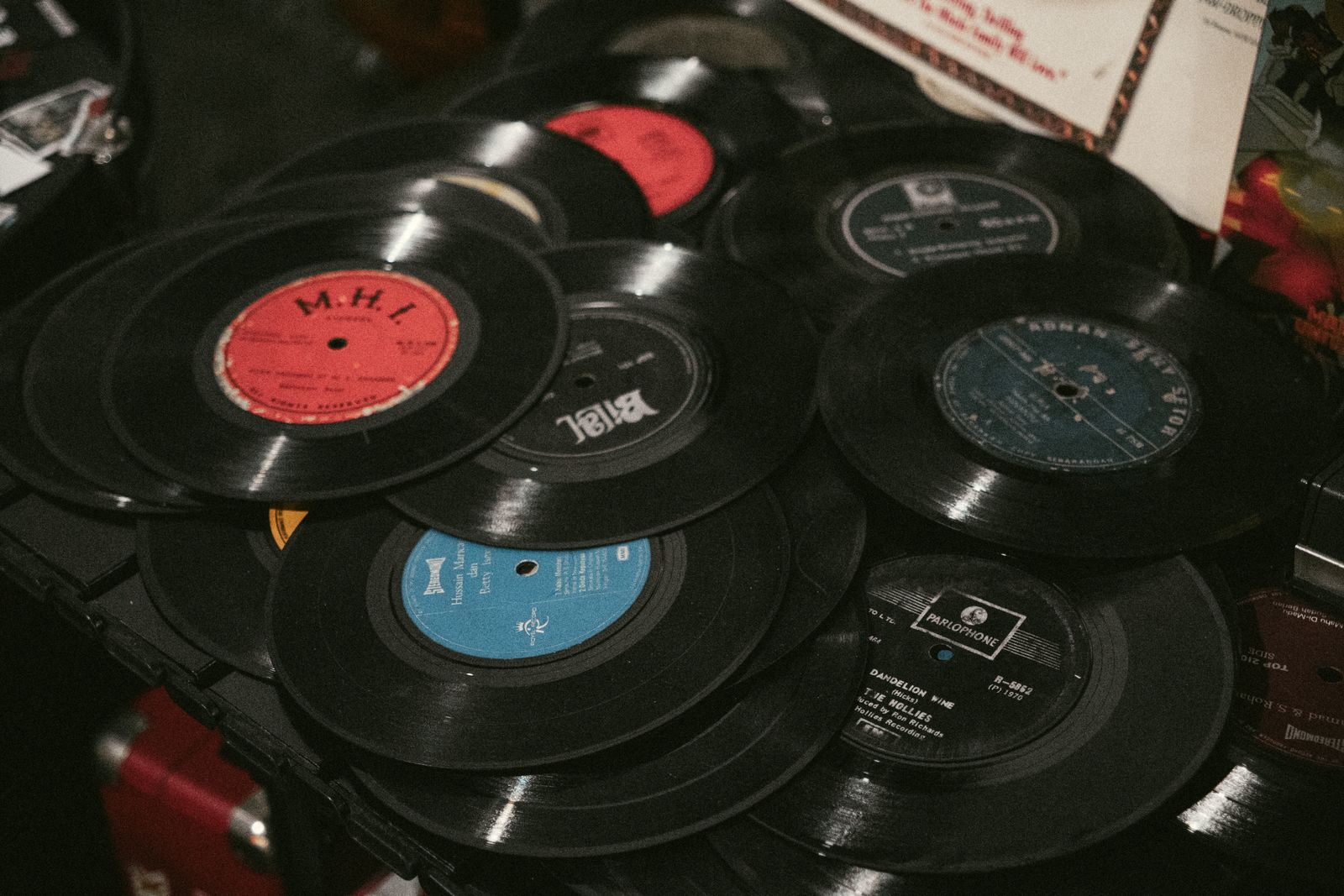
Crates of records priced at a dollar apiece are a yard sale staple, but original first pressings and rare colored vinyl variants are worth pulling out and researching individually before they’re lumped in with common, mass-produced reissues, according to pressing identification guides. Checking the dead wax matrix numbers on a handful of records can quickly reveal whether a box deserves individual pricing.
The dead wax is the smooth band between the last song and the paper label. Tilt the record under a lamp and you will see letters and numbers scratched or stamped there. Copy them down along with the catalog number on the spine and the label, then compare them against an online record database to find the exact pressing you have. Condition decides the rest. Slide each record out and look for scratches, warping and a worn, grayish surface. Check the cover for split seams, water stains and writing. Original inner sleeves, posters and lyric inserts all add to what a buyer will pay.
Handmade Quilts and Linens
A folded quilt at the bottom of a linens box is easy to price alongside ordinary bedding, but hand-stitched quilts with regional patterns or a maker’s initials can be worth substantially more than a flat yard sale price reflects, according to textile appraisal experts. Separate quilts from everyday linens and evaluate them individually rather than pricing the whole stack the same.
Start with the stitching. Hand quilting shows small irregularities, while machine work runs in perfectly even lines. The same guide suggests holding two fingers an inch apart over the quilting and counting; about nine stitches in that space signals unusually fine work. It also names Double Wedding Ring, Log Cabin and Ohio Star as patterns collectors look for. Next, unfold the quilt completely and check for stains, holes, shredded fabric and worn binding, since damage lowers the price quickly. Look in the corners and on the back for embroidered initials or a date. Do not machine wash an old quilt before the sale.
Sterling Silver Pieces
Tarnished silver items are frequently priced low simply because they look dull and unremarkable, but genuine sterling silver, identifiable by its hallmark, carries real metal value on top of any collectible design, according to silver hallmark guides. A quick hallmark check before pricing prevents silver from selling for far less than its actual worth.
Look on the back of flatware handles and the underside of bowls, trays and candlesticks. The marks that mean solid silver are “Sterling,” “925” or, on English pieces, a small walking lion. Sterling is 92.5 percent pure silver. The same guide lists the marks that mean plating over a cheaper metal: “EPNS,” “EP” and “Silverplate.” It also warns that “nickel silver” and “German silver” contain no silver at all. Plated pieces can go out at yard sale prices. Sterling should not. Weigh it on a kitchen scale and get a quote from a jeweler or coin dealer before you put a sticker on it.
Small Wooden Furniture
Side tables and small chests are common yard sale fillers, priced low simply to clear space quickly. But hand-cut dovetail joints and a manufacturer’s label can indicate a piece worth considerably more than a flat five or ten dollar tag, according to antique dating resources. A quick drawer check before pricing can prevent an underpriced piece from walking out the door.
Pull a drawer all the way out and look at the corner where the front meets the side. Hand-cut dovetails are slightly uneven, with tails of different sizes and visible saw or chisel marks. That same resource says they were the standard for good furniture until about 1870. Perfectly matched, identical dovetails are machine cut and point to the late 1890s or later. While the drawer is out, look for a paper label, stamp or brass tag inside it, on the back panel and underneath the top. Leave old finish alone; stripping or painting a piece before the sale usually lowers what a collector will pay.
Old Toys and Games
Boxes of childhood toys priced at a dollar each are a yard sale fixture, but certain vintage action figures, dolls, and board games are worth individually researching before bulk pricing, according to toy collecting coverage. Setting aside anything with original packaging or accessories for separate pricing takes just a little extra effort and can meaningfully change your total sale proceeds.
Kenner’s original Star Wars line shows how much packaging matters. That coverage reports a 1978 Princess Leia still on its card selling for about $1,700, while a loose one brought $45. It also lists small production variants, such as the 1978 Jawa with a vinyl cape instead of cloth, among the pieces collectors pay the most for. So look for the maker’s name and year molded into a leg or the lower back. Keep every tiny weapon, cape and instruction sheet together with its figure. For board games, count the pieces against the list in the rules. Do not open sealed boxes.